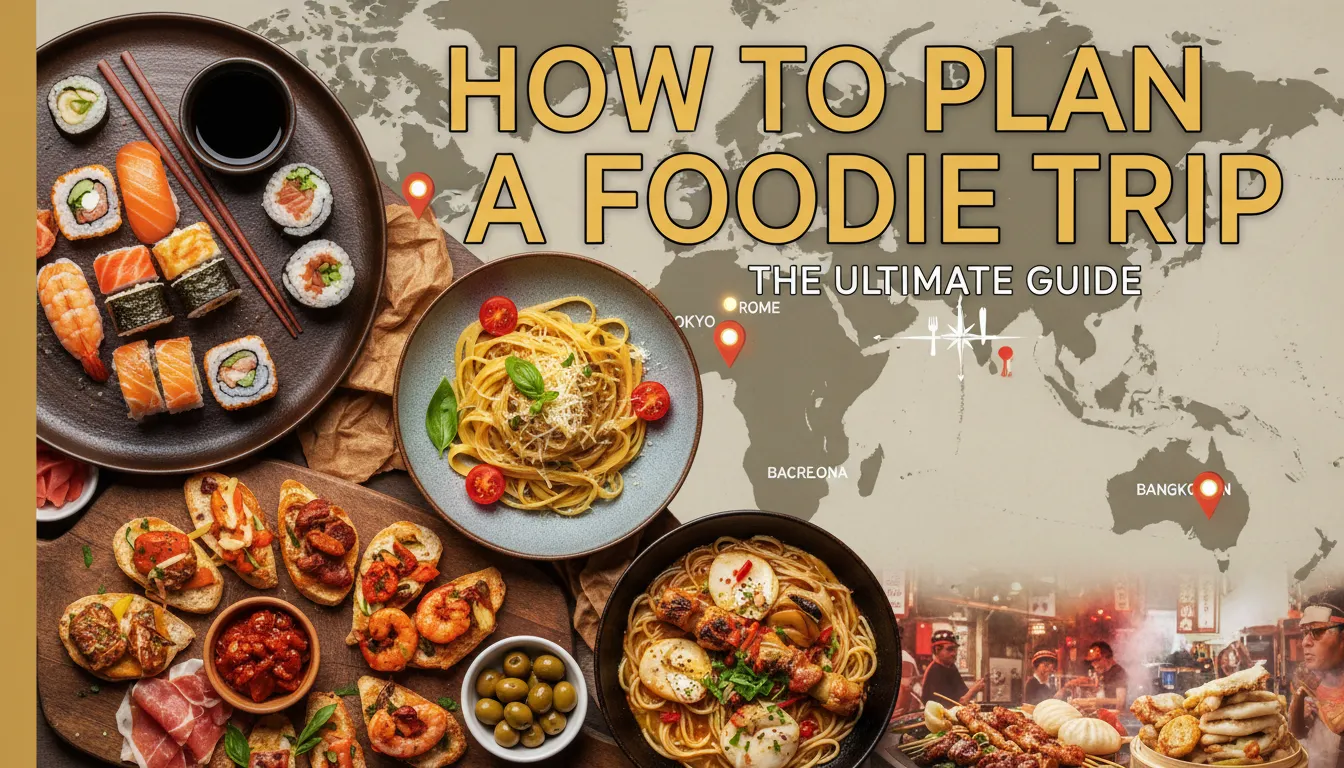
Ready for a culinary adventure? Learning how to plan a foodie trip transforms a basic vacation into an unforgettable gastronomic journey filled with authentic local flavors.
The Essentials of How to Plan a Foodie Trip
Understanding how to plan a foodie trip requires more than just booking a flight and hoping to find good restaurants along the way. True culinary tourism demands strategy, research, and a deep appreciation for the cultural context of the food you will consume. When you know how to plan a foodie trip, you unlock access to hidden local gems, exclusive reservations, and authentic interactions with chefs and artisans.
The foundation of how to plan a foodie trip rests on balancing your schedule. You want to experience high-end dining, bustling street markets, and hands-on cooking classes without feeling rushed. By breaking the process down into manageable steps, you ensure every meal adds value to your overall travel experience.
Defining Your Culinary Goals
Before diving into logistics, establish what you want to achieve. Do you want to learn traditional cooking techniques? Are you chasing Michelin stars? Or do you prefer navigating night markets and sampling street food? Pinpointing your goals is the first crucial step in planning a foodie trip. This clarity will guide your destination choice, budget, and daily schedule.
Selecting the Perfect Destination
The destination dictates the entire flavor profile of your journey. When you figure out how to plan a foodie trip, you must consider seasonality, regional specialties, and local food culture.
Researching destinations involves looking beyond the standard tourist attractions. Investigate regional harvest seasons. For example, visiting Alba, Italy during the white truffle season offers a vastly different experience than visiting in the spring. Understanding seasonal ingredient availability is a cornerstone of how to plan a foodie trip successfully.
Consulting resources like the Michelin Guide can help you pinpoint cities with high concentrations of celebrated restaurants. However, do not ignore destinations celebrated for their vibrant street food culture, such as Oaxaca, Mexico, or Penang, Malaysia.
Mastering Your Food and Travel Budget
Budgeting is a critical component when you learn how to plan a foodie trip. Food-focused travel can become expensive quickly if you do not track your spending. Allocate your funds strategically by designating specific amounts for fine dining, casual meals, and culinary experiences like market tours.
When considering your travel itinerary planning, balance your daily food expenses. If you plan to visit an upscale, world-renowned restaurant for dinner, opt for an affordable, authentic local market for lunch. This approach not only saves money but also provides a more comprehensive view of the local food scene.
Step-by-Step Guide on How to Plan a Foodie Trip
Executing a flawless gastronomic vacation requires a methodical approach. Follow these steps to ensure you know exactly how to plan a foodie trip that maximizes flavor and minimizes stress.
Step 1: Map Out Your Dining Itinerary
Once you choose your destination, start mapping out your meals. This is where figuring out how to plan a foodie trip becomes highly detailed. Create a digital map using tools like Google Maps to pin potential restaurants, bakeries, cafes, and markets.
Group your dining choices by neighborhood. If you have a reservation in a specific district, plan to explore the nearby sights before or after your meal. This prevents you from crisscrossing the city multiple times a day, saving time and energy.
Step 2: Secure High-Demand Reservations
A major lesson in how to plan a foodie trip is understanding the reservation landscape. World-class restaurants often book out months in advance. Once your travel dates are set, immediately check the reservation policies for your top dining choices.
Set alarms for the exact moment reservations open. Many top-tier establishments release tables at midnight local time 30 to 90 days in advance. Being proactive is a non-negotiable rule when figuring out how to plan a foodie trip.
Step 3: Integrate Immersive Culinary Experiences
Eating at great restaurants is only one part of the journey. To truly master how to plan a foodie trip, you must include interactive experiences.
Consider booking a guided food tour for your first day. A knowledgeable local guide will introduce you to regional ingredients, explain the cultural significance of certain dishes, and help you navigate local markets. This early introduction provides context for the rest of your meals.
Additionally, look into hands-on cooking classes. Learning to prepare a traditional dish allows you to bring the flavors of your vacation home with you. This elevates your culinary tourism experience from passive consumption to active participation.
Step 4: Consult Local Sources and Experts
Do not rely solely on international ranking lists or mainstream review sites. To discover how to plan a foodie trip that feels authentic, seek out local voices.
Read blogs written by residents, browse regional food magazines, and check local social media hashtags. When you arrive, ask taxi drivers, hotel staff, and boutique owners for their personal recommendations. Locals often point you toward unassuming neighborhood spots that serve the most authentic, delicious food in the city.
The Power of Preparation
Mastering how to plan a foodie trip ultimately comes down to preparation. By researching regional specialties, mapping your routes, and securing reservations early, you create a seamless framework that allows you to focus entirely on enjoying the food.
Navigating Dietary Restrictions While Traveling
Knowing how to plan a foodie trip includes accounting for dietary needs. Traveling with allergies or specific dietary preferences requires extra diligence but should never hinder your culinary exploration.
Research Translating Dietary Needs
If you are traveling to a country where you do not speak the language, prepare translation cards. These cards should clearly state your dietary restrictions, such as “I have a severe peanut allergy” or “I am a strict vegan.” Showing these cards to servers and chefs prevents dangerous miscommunications.
Identify Accommodating Destinations
Some destinations cater to specific diets better than others. When learning how to plan a foodie trip, research how easily a region accommodates your needs. For instance, plant-based travelers will find abundant options in cities like Tel Aviv, Mexico, or Chiang Mai, Malaysia, where traditional diets naturally feature heavily vegetarian dishes.
Pro Tips for an Unforgettable Culinary Journey
Elevate your vacation by applying these expert strategies. These pro tips will show you how to plan a foodie trip like a seasoned travel professional.
- Seek Out the Source: Visit farms, vineyards, and production facilities. Seeing how balsamic vinegar ages in Modena or how cheese is made in Parma adds incredible depth to your tasting experience.
- Pace Yourself: Avoid the temptation to eat huge meals three times a day. Order smaller dishes or share plates so you have room to try more items throughout the day.
- Embrace the Unexpected: While reservations are vital, leave room for serendipity. Knowing how to plan a foodie trip means leaving gaps in your schedule to try that incredible-smelling street stall you stumble upon by accident.
- Follow the Locals: If you see a long line of residents outside a modest cafe, join it. Locals know where the best food is, and a queue is usually a guarantee of quality and turnover.
- Understand Dining Etiquette: Research tipping customs, table manners, and meal timings. For example, Spaniards typically eat dinner much later than Americans. Adapting to local rhythms is a crucial part of how to plan a foodie trip.
Common Mistakes to Avoid
Even seasoned travelers make errors. Avoid these pitfalls when figuring out how to plan a foodie trip.
Overpacking Your Itinerary
One of the biggest mistakes in how to plan a foodie trip is scheduling too many reservations. Dining at three different Michelin-starred restaurants in a single day will lead to palate fatigue and exhaustion. Limit yourself to one major dining event per day. Ensure your vacation budgeting allows for a mix of casual and upscale experiences.
Ignoring Street Food and Markets
Fine dining is excellent, but ignoring street food means missing out on the heartbeat of a city’s culinary culture. Some of the most profound flavor experiences happen at humble market stalls.
Sticking Strictly to the Guidebook
Guidebooks are great starting points, but they quickly become outdated. If you only eat at places recommended by major publications, you will surround yourself entirely with other tourists. Learning how to plan a foodie trip means stepping off the beaten path and trusting local intuition.
Forgetting to Hydrate and Rest
Digestive fatigue is real. Drink plenty of water and build walking into your itinerary to aid digestion between meals. Incorporating downtime into your packing for travel and scheduling ensures you remain energized.
Comparison: Guided Food Tours vs. Self-Guided Crawls
When deciding how to plan a foodie trip, you will likely weigh the benefits of guided tours against self-guided exploration. This table helps clarify the best approach for your travel style.
|
Feature |
Guided Food Tour |
Self-Guided Food Crawl |
|---|---|---|
|
Cost |
Generally, a higher upfront cost, but includes all food and guide fees. |
Lower cost. You pay only for exactly what you order. |
|
Pacing |
Fixed schedule dictated by the tour company. |
Highly flexible. You control the pace and duration. |
|
Education |
High. Expert guides provide deep cultural and historical context. |
Requires personal research prior to the trip. |
|
Access |
Often includes skip-the-line access and exclusive tastings. |
You must navigate lines and crowds independently. |
|
Social Aspect |
Great for meeting other travelers and making connections. |
Best for intimate trips with a partner, family, or solo. |
Deciding which option works best depends entirely on your preferences. Many successful travelers combine both methods when deciding how to plan a foodie trip, taking a guided tour on day one to learn the ropes, followed by self-guided exploration for the remainder of the trip.
Maximizing Value Through Strategic Planning

Understanding how to plan a foodie trip allows you to extract maximum value from your travel investment. Culinary travel is an investment in memories, education, and joy.
Seek out lunch specials at high-end restaurants. Many celebrated kitchens offer lunch tasting menus at a fraction of their dinner prices. This strategy allows you to experience top-tier gastronomy without devastating your budget.
When you learn how to plan a foodie trip, you realize that the most memorable meals are not always the most expensive ones. A perfectly executed taco on a bustling street corner can leave a more lasting impression than a twenty-course tasting menu.
Conclusion
Knowing exactly how to plan a foodie trip guarantees a travel experience rich in flavor, culture, and adventure. By meticulously researching your destination, mapping your meals, securing early reservations, and remaining open to spontaneous local discoveries, you set the stage for culinary perfection. Now that you understand how to plan a foodie trip, it is time to pack your appetite and start booking your next great gastronomic getaway.
FAQs
What is the first step in how to plan a foodie trip?
The first step in how to plan a foodie trip is defining your specific culinary goals and selecting a destination that aligns with those interests. You must decide whether you want to focus on street food, fine dining, wine tasting, or a mix of all three before you book flights.
How far in advance should I make restaurant reservations?
When learning how to plan a foodie trip, you must check reservation policies immediately. Highly sought-after restaurants often open their books one to three months in advance, and tables can disappear within minutes. Research each specific restaurant’s policy as soon as your travel dates are confirmed.
Is it possible to plan a foodie trip on a tight budget?
Absolutely. Knowing how to plan a foodie trip on a budget involves prioritizing street food, visiting bustling public markets, and taking advantage of lunch specials at high-end restaurants. Focus on destinations famous for affordable culinary excellence, such as Vietnam, Mexico, or Thailand.
How do I find authentic local restaurants instead of tourist traps?
To find authentic food, step away from major tourist attractions and bustling main squares. Ask locals—such as taxi drivers, hotel clerks, and shop owners—where they eat on their days off. Avoid restaurants with aggressive “barkers” out front or menus printed in ten different languages.
Should I book a guided food tour?
Yes, booking a guided food tour is highly recommended when you figure out how to plan a foodie trip. Taking a tour on your first or second day provides an excellent overview of the local food culture, introduces you to regional ingredients, and helps you navigate the city confidently for the rest of your trip.
How many meals should I schedule per day?
A common mistake in how to plan a foodie trip is overeating. Limit yourself to one heavy or elaborate meal per day. Fill the rest of your day with light grazing, shared plates, and small snacks. This approach prevents palate fatigue and physical discomfort.
What is the best way to handle dietary restrictions on a foodie trip?
Research your destination thoroughly to ensure it can accommodate your needs. Carry translation cards that clearly explain your restrictions in the local language. When deciding how to plan a foodie trip with allergies, email restaurants in advance to confirm their ability to safely prepare your meals.
How do I balance sightseeing and eating?
When discovering how to plan a foodie trip, group your activities geographically. Pin your must-visit restaurants on a map and plan your sightseeing around those neighborhoods. This prevents you from wasting valuable vacation time traveling back and forth across the city between meals.
Why is seasonality important when planning a foodie trip?
Seasonality dictates the freshness and availability of regional specialties. Understanding how to plan a foodie trip means researching when certain ingredients—like truffles, specific seafood, or seasonal fruits—are harvested. Traveling during the peak season for a specific ingredient drastically improves the quality of your meals.
How can I learn about dining etiquette before I travel?
Part of knowing how to plan a foodie trip involves respecting local customs. Read travel blogs, consult reputable food publications, and watch travel documentaries focused on your destination. Pay special attention to tipping culture, appropriate meal times, and specific table manners to ensure a respectful and smooth dining experience.