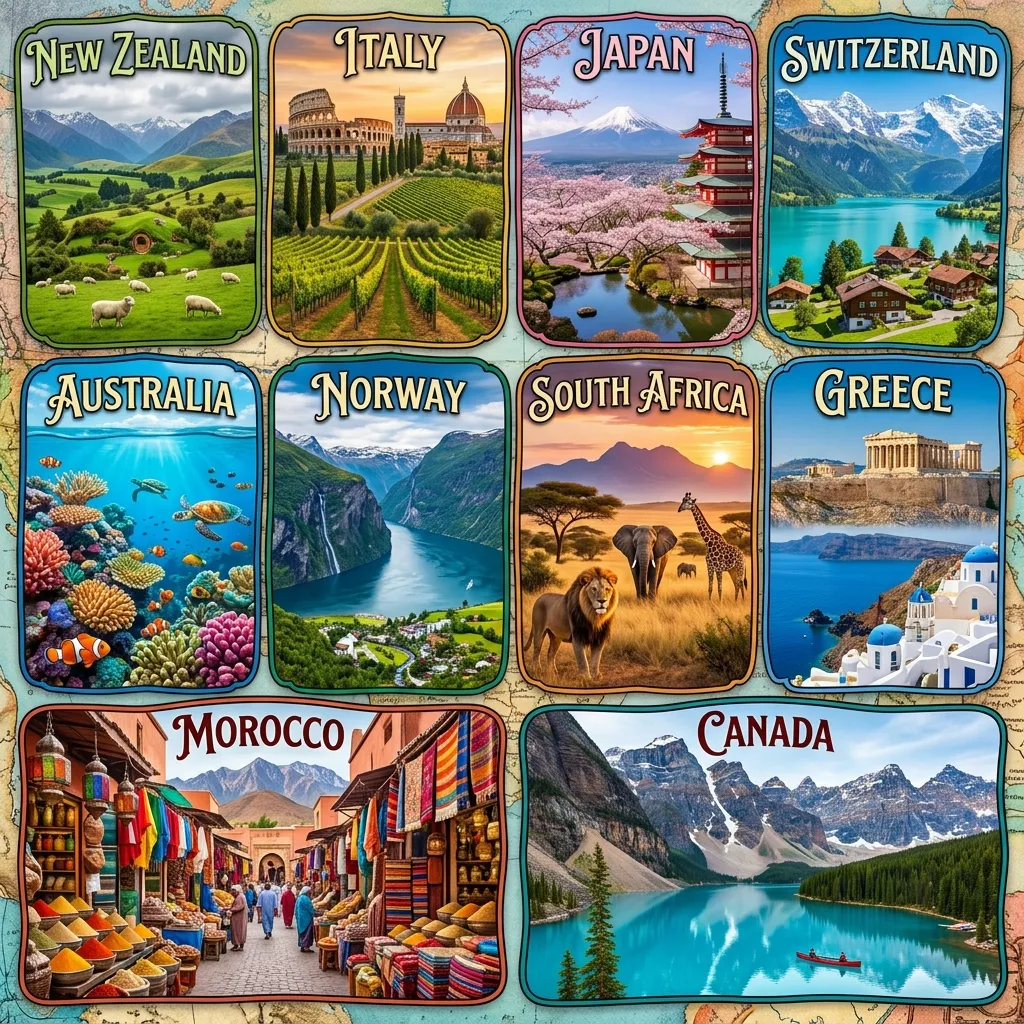
Discover the most beautiful countries in the world. This ranked guide highlights stunning landscapes, vibrant cultures, and natural wonders to help you plan your next unforgettable travel adventure.
New Zealand ranks as the top destination for natural beauty, followed closely by Switzerland and Canada. These nations offer unmatched diverse landscapes, from soaring mountains to pristine coastlines, making them essential bucket-list trips for outdoor enthusiasts and global travelers seeking the best vacation spots.
How We Ranked the Most Beautiful Countries
Evaluating global destinations requires looking beyond basic aesthetics. We analyzed data from the World Economic Forum Travel & Tourism Competitiveness Report and the UNESCO World Heritage Centre to assess biodiversity, environmental sustainability, and the concentration of natural wonders. We also evaluated factors like accessibility, safety, and infrastructure to ensure these destinations provide exceptional visitor experiences. If you need help planning your itinerary, check out our ultimate travel planning guide.
1. New Zealand: The Undisputed King of Natural Beauty
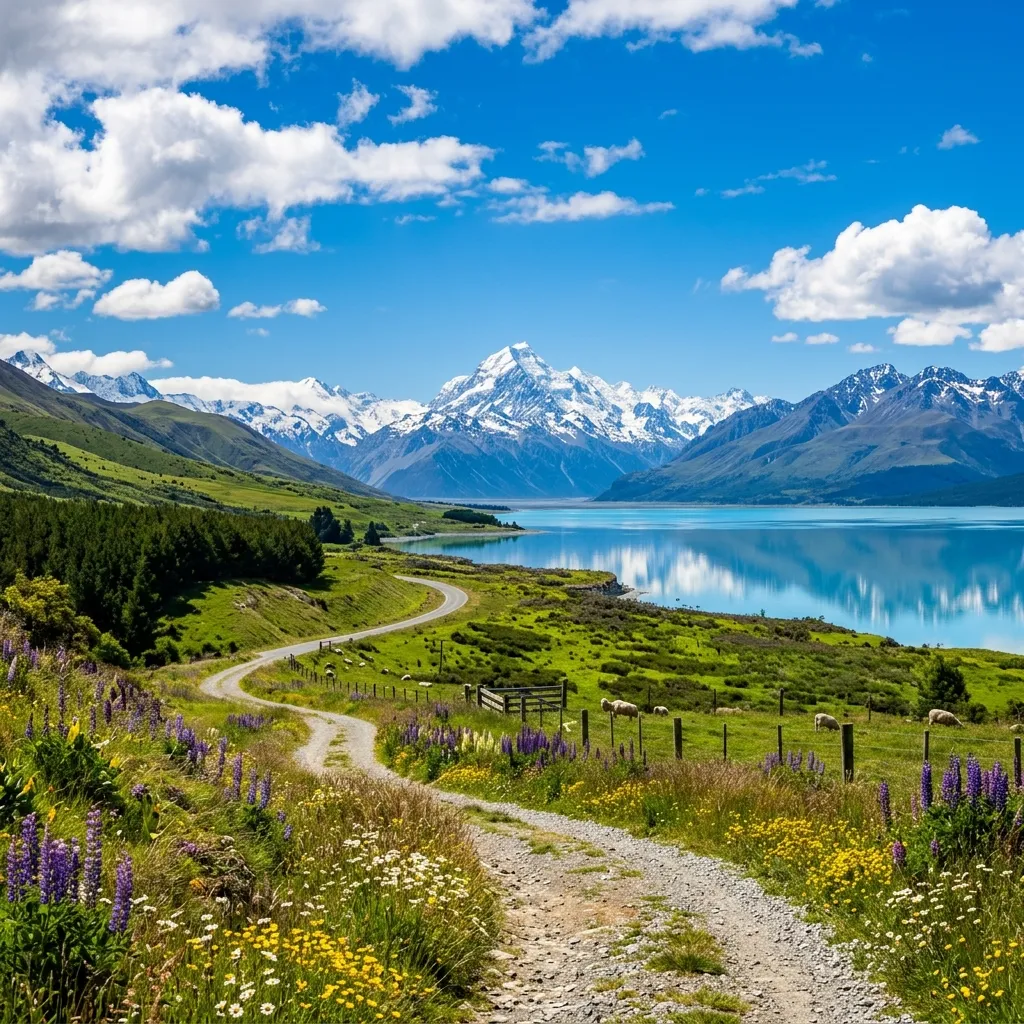
New Zealand claims the top spot due to its staggering geographic diversity. The South Island features the dramatic peaks of the Southern Alps and the deep fjords of Milford Sound. The North Island offers geothermal active zones, pristine beaches, and ancient forests.
Travelers consistently praise New Zealand for its well-maintained scenic travel routes and robust environmental protections. The Department of Conservation manages over 30% of the country’s landmass, ensuring these top travel destinations remain pristine for future generations. Hike the Tongariro Alpine Crossing or explore the glowworm caves in Waitomo to witness nature’s unmatched creativity.
2. Switzerland: Alpine Perfection and Crystal Lakes
Switzerland offers a concentrated dose of majestic scenery. The Swiss Alps dominate the landscape, providing world-class skiing in winter and breathtaking hiking trails in summer. Beyond the mountains, Switzerland boasts deep blue alpine lakes, such as Lake Geneva and Lake Lucerne, framed by historic towns and lush meadows.
The country’s exceptional public transportation network, including the famous Glacier Express, allows visitors to experience these stunning landscapes effortlessly. Switzerland’s commitment to clean air and sustainable tourism makes it a premier destination for travelers seeking pristine environments.
3. Canada: Expansive Wilderness and Rugged Coastlines
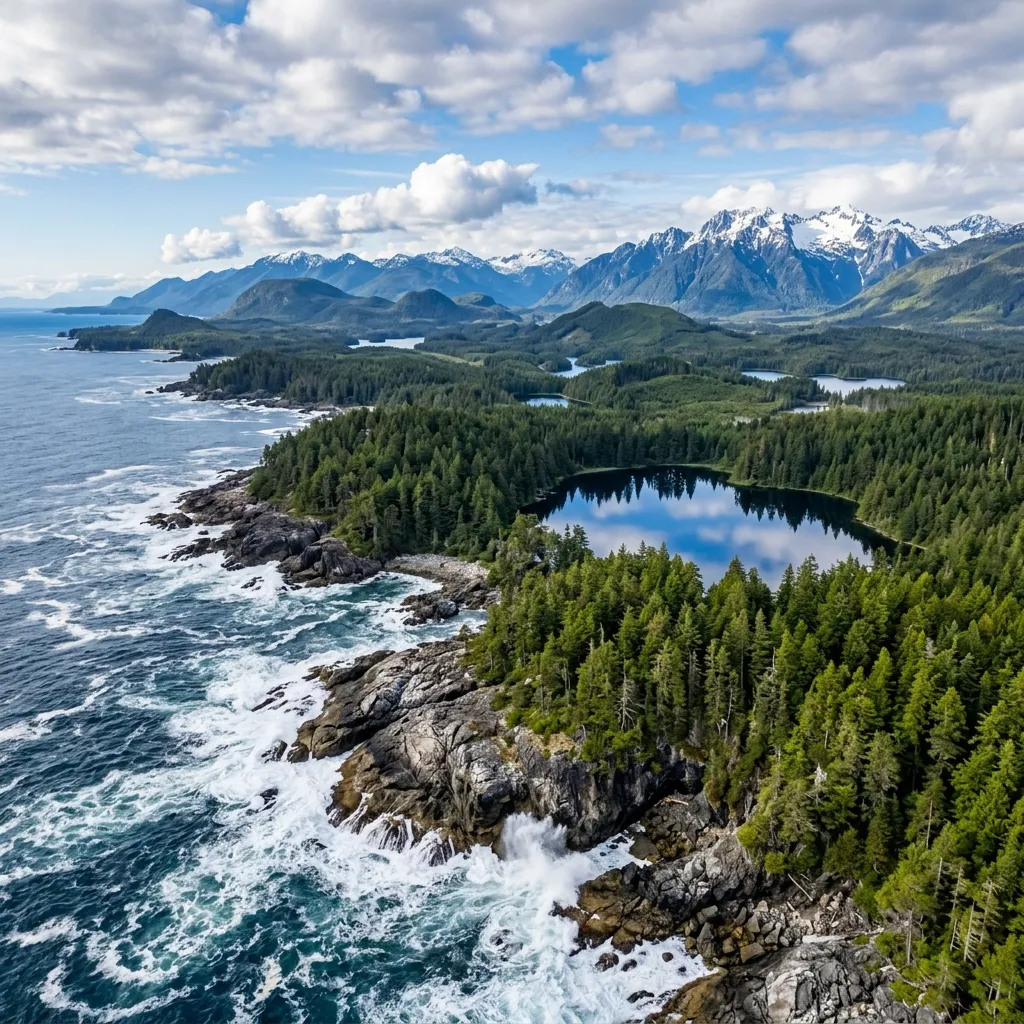
Canada’s immense size translates to an incredible variety of ecosystems. The Canadian Rockies in Alberta showcase turquoise glacial lakes, including the iconic Lake Louise and Moraine Lake. The eastern provinces offer dramatic coastal cliffs and deep forests, while the northern territories provide unparalleled opportunities to witness the Northern Lights.
With 48 national parks and national park reserves, Canada protects vast areas of wilderness. Wildlife enthusiasts flock here to see bears, moose, and whales in their natural habitats. For a deeper dive into North American travel, read our complete guide to visiting Canadian National Parks.
4. Norway: Majestic Fjords and Arctic Wonders
Norway’s coastline features complex networks of deep, steep-sided fjords carved by ancient glaciers. Geirangerfjord and Nærøyfjord stand out as UNESCO World Heritage sites, offering dramatic waterfalls plunging down vertical rock faces.
In the north, the Lofoten Islands present jagged peaks rising directly from the Norwegian Sea. Norway also provides excellent infrastructure for eco-tourism, encouraging visitors to explore its breathtaking scenery via electric ferries and well-marked hiking trails.
5. Italy: A Masterpiece of Nature and Culture
Italy seamlessly blends natural beauty with human artistry. The Amalfi Coast features colorful villages clinging to steep cliffs above the Mediterranean Sea. The Dolomites in northern Italy offer unique, jagged limestone peaks that turn pink at sunset.
Tuscany provides rolling hills covered in vineyards and cypress trees, creating iconic pastoral landscapes. Italy’s diverse geography means you can ski in the Alps and swim in warm southern waters within the same trip.
6. Japan: Seasonal Beauty and Ancient Forests
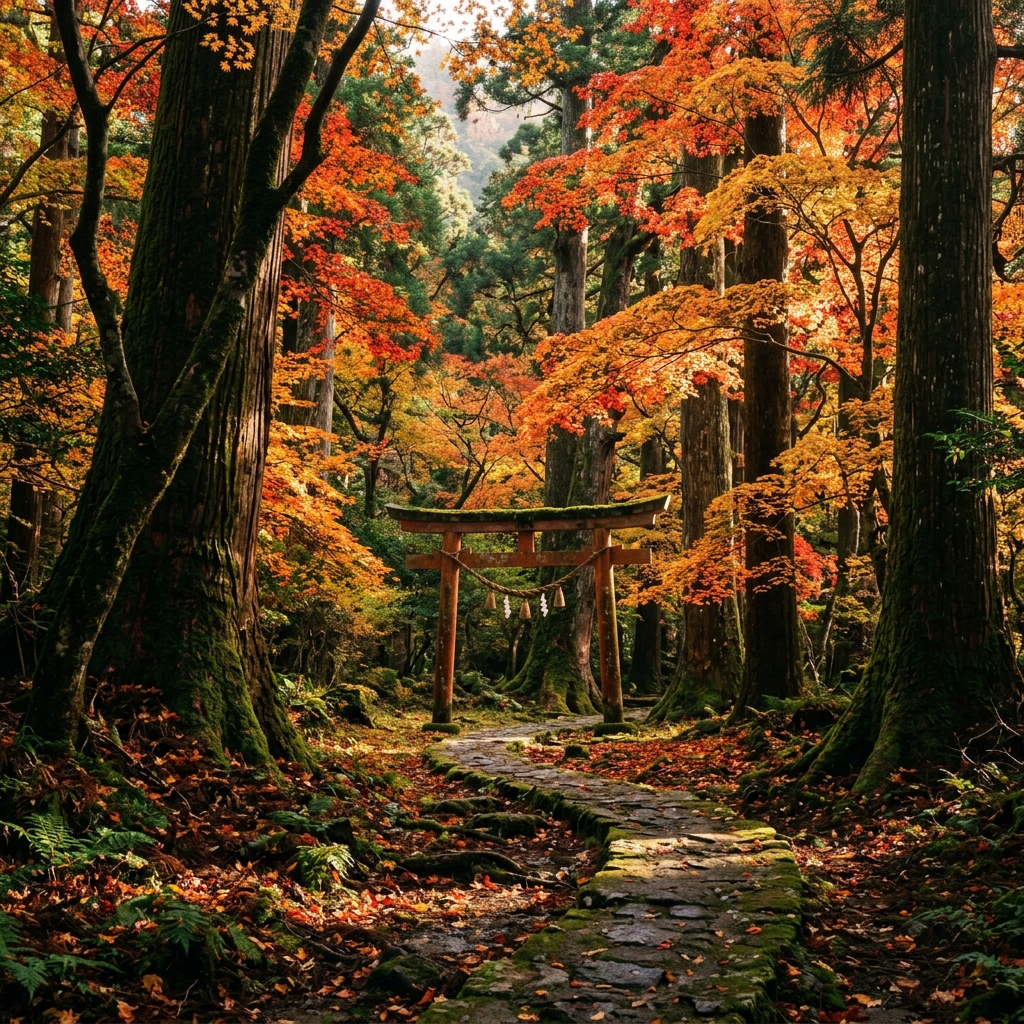
Japan’s beauty shifts dramatically with the seasons. Spring brings the famous cherry blossoms, covering the country in soft pink hues. Autumn transforms the forests of Kyoto and Nikko into vibrant displays of red and gold.
Mount Fuji stands as an iconic, perfectly symmetrical volcano that has inspired artists for centuries. Japan also carefully preserves ancient cedar forests, such as those on Yakushima Island, offering visitors peaceful retreats into nature.
7. Iceland: The Land of Fire and Ice
Iceland provides a landscape unlike anywhere else on Earth. Active volcanoes, erupting geysers, and massive glaciers exist side-by-side. The black sand beaches of Reynisfjara and the floating icebergs of Jökulsárlón glacier lagoon create otherworldly vistas.
The Ring Road allows travelers to circumnavigate the island and witness the majority of these unique travel experiences directly. Iceland’s reliance on geothermal energy also makes it a leader in sustainable living.
8. South Africa: Diverse Wildlife and Coastal Splendor
South Africa offers an incredible combination of classic safari landscapes and dramatic coastal scenery. Table Mountain provides a striking backdrop to Cape Town, while the Cape Peninsula features rugged cliffs and penguin colonies.
Kruger National Park hosts the Big Five, allowing visitors to experience the raw beauty of the African savanna. The Panorama Route in Mpumalanga showcases deep canyons and spectacular waterfalls.
9. Costa Rica: Unmatched Biodiversity
Costa Rica holds roughly 5% of the world’s biodiversity despite its small size. The country features dense rainforests, active volcanoes like Arenal, and beautiful beaches on both the Pacific and Caribbean coasts.
Over a quarter of the country consists of protected national parks and reserves. Visitors can spot sloths, toucans, and monkeys while hiking through cloud forests or kayaking through mangrove swamps.
10. Australia: Unique Ecosystems and Coral Reefs
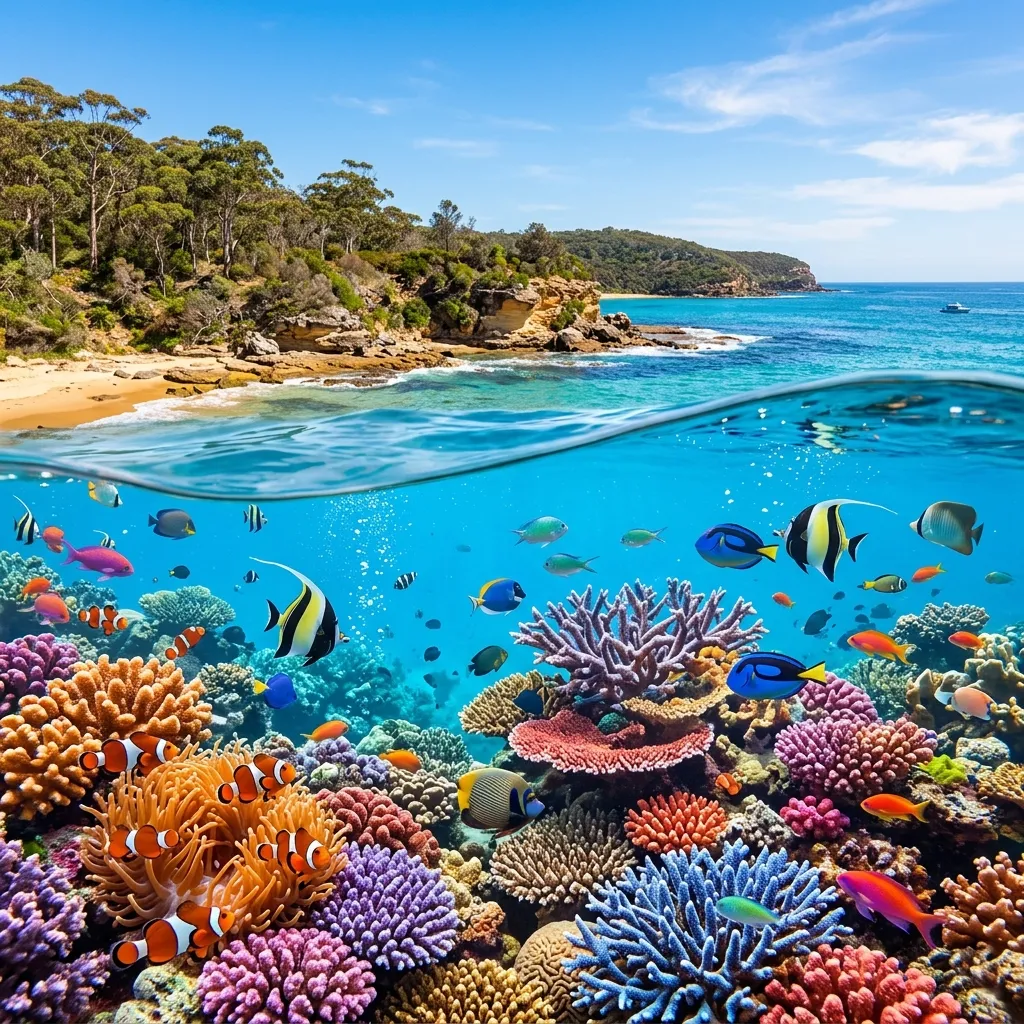
Australia’s isolation has resulted in landscapes and wildlife found nowhere else. The Great Barrier Reef represents the world’s largest coral reef system, visible from space and teeming with marine life.
The Outback offers striking red desert landscapes, highlighted by the massive sandstone monolith of Uluru. The lush Daintree Rainforest and the pristine beaches of the Whitsunday Islands complete Australia’s diverse portfolio of beautiful destinations.
Comparing the Top Destinations
Review this breakdown of our top five countries to find the best fit for your travel style.
|
Country |
Primary Landscape |
Best For |
Average Daily Budget (USD) |
|---|---|---|---|
|
New Zealand |
Fjords, Mountains |
Adventure, Hiking |
$150 – $250 |
|
Switzerland |
Alps, Lakes |
Train Travel, Skiing |
$200 – $350 |
|
Canada |
Mountains, Forests |
Road Trips, Wildlife |
$120 – $200 |
|
Norway |
Fjords, Coastlines |
Photography, Nature |
$180 – $300 |
|
Italy |
Coasts, Countryside |
Culture, Food, Scenery |
$130 – $250 |
Expert Insights: How to Maximize Your Experience
Travel professionals emphasize preparation when visiting these locations. Here are specific strategies to elevate your trip:
- Travel during the shoulder season: Visit popular spots in late spring or early autumn. You avoid the peak summer crowds and experience milder weather, which makes outdoor activities much more enjoyable.
- Prioritize regional exploration: Instead of trying to see an entire country in one week, pick one region and explore it deeply. You spend less time in transit and more time absorbing the local environment.
- Hire local guides: Local experts understand the micro climates and hidden trails. They provide context you simply cannot find in a guidebook, enhancing your appreciation of the local culture.
Common Mistakes to Avoid
Many travelers hinder their own experiences by making preventable errors. Avoid these pitfalls to ensure a smooth journey:
- Underestimating distances: Countries like Canada and Australia are massive. Trying to drive from Sydney to the Great Barrier Reef in two days will leave you exhausted. Always calculate actual driving times using mapping apps.
- Ignoring weather warnings: In places like Iceland or New Zealand, the weather changes rapidly. Failing to pack proper rain gear or ignoring wind advisories can put you in physical danger.
- Overpacking: Lugging heavy suitcases onto Swiss trains or up Italian cobblestone streets causes unnecessary stress. Pack a versatile capsule wardrobe and plan to do laundry halfway through your trip. Don’t forget to review our carry-on packing checklist before departure.
- Skipping travel insurance: When participating in outdoor activities like hiking or skiing, medical emergencies become more likely. Always purchase comprehensive travel insurance that covers emergency evacuations.
Conclusion
Planning your trip to the most beautiful countries in the world requires careful research and preparation. Use these rankings to find your perfect destination. Pack smart, respect local ecosystems, and embrace the adventure. Your journey to explore the planet’s greatest natural wonders starts right now. Book your tickets and begin the adventure of a lifetime.
Frequently Asked Questions (FAQs)
What is the most beautiful country?
New Zealand currently ranks as the number one most beautiful country due to its unparalleled geographic diversity, combining soaring mountains, deep fjords, active geothermal areas, and pristine coastlines within a relatively compact area.
How do experts rank scenic travel destinations?
Experts rank destinations using objective criteria such as the number of UNESCO World Heritage sites, biodiversity metrics, environmental protection laws, and the quality of infrastructure that allows visitors to access natural areas sustainably.
Which beautiful country is the most affordable?
Costa Rica offers the most affordable experience among the top-ranked beautiful countries. Travelers can find budget-friendly eco-lodges, inexpensive local food, and low-cost public transportation while still experiencing world-class rainforests and beaches.
What are the safest, most beautiful countries to visit?
Switzerland, New Zealand, and Norway consistently rank among the safest countries globally. They feature extremely low violent crime rates, highly reliable emergency services, and excellent public health infrastructure.
Which country has the best beaches?
Australia boasts some of the world’s best beaches, particularly Whitehaven Beach in the Whitsundays, known for its brilliant white silica sand, and the extensive coastline flanking the Great Barrier Reef.
What is the most beautiful country in Europe?
Switzerland frequently claims the title of Europe’s most beautiful country, offering dramatic alpine scenery, perfectly preserved historic villages, and exceptionally clean alpine lakes, all connected by world-class rail networks.
How can I travel sustainably to these destinations?
Travel sustainably by choosing direct flights to reduce carbon emissions, staying in eco-certified accommodations, utilizing public transportation, and following “Leave No Trace” principles when hiking in national parks.
What is the best time of year to visit New Zealand?
The best time to visit New Zealand is during their summer, from December to February, which offers the warmest weather for outdoor activities. Alternatively, the shoulder seasons of spring (September to November) and autumn (March to May) provide fewer crowds and beautiful changing foliage.
Which beautiful country is best for solo travelers?
Japan serves as an exceptional destination for solo travelers. It offers incredible safety, highly efficient public transit, a culture that embraces solo dining, and breathtaking scenery ranging from bamboo forests to volcanic mountains.
Do I need a visa to visit these top-ranked countries?
Visa requirements depend entirely on your passport’s issuing country. US and EU citizens often enjoy visa-free entry or simple electronic travel authorizations (like the ETA for New Zealand or Canada) for short tourist visits. Always verify current requirements with the official embassy before booking flights.