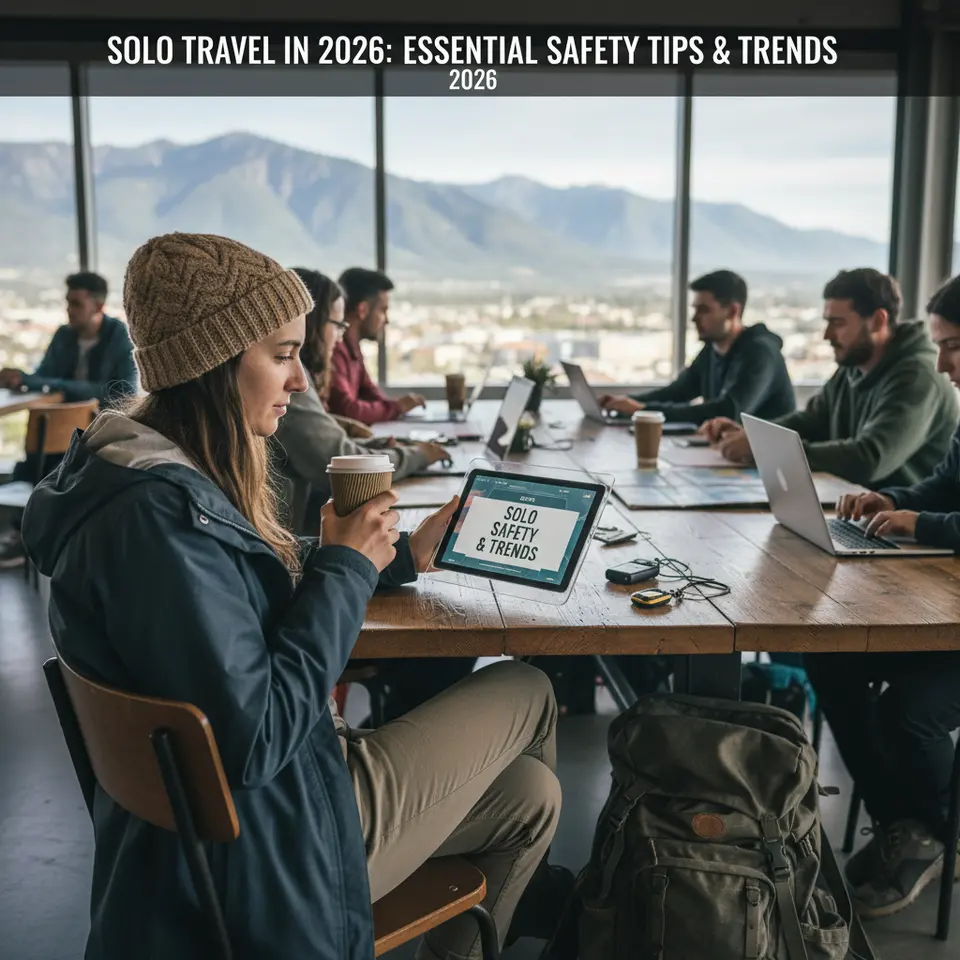
Embarking on a journey alone can be one of the most exhilarating experiences available today. Solo travel empowers individuals to set their own pace, choose cultural deep dives, and embrace spontaneous detours without compromise.
In today’s digital landscape, new tools and resources make independent excursions safer and more accessible than ever. Whether you seek silent retreats to reset your mind or vibrant street festivals to dive into local culture, venturing out alone this year offers freedom that cannot be matched by group tours or packaged itineraries.
Through careful planning, smart technology, and mindful safety protocols, you can craft an itinerary that aligns with your personal interests and comfort level. This guide will walk you through every stage of your solo adventure—from selecting emerging destinations to securing accommodations and mastering money management. Along the way, we will introduce authoritative advice from sources such as the U.S. Department of State and insights on health precautions from the Centers for Disease Control and Prevention.
Whether you are a seasoned explorer or preparing for your first independent trip, this article will equip you with the strategies and confidence to make your solo travel dream a reality. Get ready to discover how to plan, protect, and truly enjoy every moment of your personalized expedition in the ever-evolving world of solo travel.
Why Solo Travel Captivates Adventurers This Year
Emerging Destinations and Unique Experiences
This year brings a wave of newly accessible regions welcoming independent explorers with open arms. Countries that once lacked robust tourism infrastructure have invested heavily in visitor safety, from trail improvements in mountainous areas to user-friendly signage in remote towns. Travelers can now uncover off-the-beaten-path gems ranging from secluded desert oases to tranquil island communities. By choosing lesser-known locales, solo travel enthusiasts can engage with local cultures without the crowds, forging genuine connections that transform a trip into a life-changing journey. Many such destinations offer community-led homestays, where you can learn traditional crafts or join harvesting festivals, further enriching your adventure.
Enhanced Safety Measures and Local Support
Recent global developments have focused on bolstering safety protocols for solo travelers worldwide. Many destinations now offer specialized services such as remote check-in kiosks, private transfers adaptable to real-time changes, and community-driven neighborhood networks that verify the credibility of lodgings and guides. Governments and local authorities collaborate to improve night-time lighting in urban districts, install emergency call stations along popular hiking routes, and train hostel staff in first aid and crisis management. Travel advisories are more detailed than ever, with tools like the U.S. Department of State travel advisory platform and regional safety apps providing daily updates on local conditions. These innovative resources help you make informed decisions, anticipate potential risks, and enhance peace of mind while on your solo travel journey.
Technological Innovations for Independent Exploration
Advances in technology are at the forefront of reshaping how people approach solo travel. Mobile applications now combine personalized itinerary planning, live currency conversion, language translation, and encrypted emergency communication all in a single interface. Wearable devices can continuously monitor health data—such as heart rate and fall detection—and trigger instantaneous SOS alerts if systems detect irregular readings. Offline navigation apps allow travelers to pinpoint their exact location anywhere on the globe, even without cellular coverage, and augmented reality features can overlay historic facts about nearby landmarks. These breakthroughs mean that pursuing solo travel today involves fewer unknowns and more user control, turning what once felt like a daring feat into an attainable and enriching adventure.
Personal Growth Through Independence
Solo travel encourages personal development by placing you outside your comfort zone. Managing logistical tasks—from booking transportation to navigating foreign languages—builds self-reliance and problem-solving skills. Each small victory, whether bartering at a street market or finding your way after a long hike, contributes to a growing sense of achievement. Many solo explorers report that confronting unexpected challenges leads to greater resilience, adaptability, and emotional intelligence. By the time your journey concludes, you return not only with souvenirs and photographs but with a renewed spirit of confidence that permeates everyday life back home.
Pre-Trip Research and Planning

Destination Risk Assessment
Before you book a flight or reserve accommodation, spend substantial time evaluating your intended destination. Consult government sources like the U.S. Department of State advisory pages for up-to-date political and health advisories. Use university research portals and local news websites to understand current events, seasonal weather patterns, and wildlife considerations. Real-time safety apps can alert you to developing situations—such as transportation strikes, sudden weather outbreaks, or localized protests. By synthesizing these data points today, you create a robust risk profile that informs your daily itinerary and emergency procedures throughout the journey.
Cultural Etiquette and Language Basics
Familiarizing yourself with local customs and basic language phrases is a vital step in planning any solo travel trip. Learning greetings, polite expressions, and simple directional terms not only shows respect, but can also defuse misunderstandings before they arise. Many cultural faux pas are unintentional and avoidable when you know the rules around eye contact, gift-giving, and dress codes. Online language exchange platforms and university-led cultural orientation courses offer free or low-cost modules that help you practice pronunciation and conversational skills. Carrying a small phrasebook or offline translator app ensures you can bridge gaps in communication smoothly.
Insurance and Essential Documentation
Securing comprehensive travel insurance is non-negotiable for solo travel. Look for policies covering medical emergencies, evacuation, trip cancellations, and theft of personal belongings. Some plans also extend to extreme sports or remote area activities if you intend to hike or dive off-grid. Before departure, make both digital and physical copies of your passport, visa, driver’s license, insurance certificate, and emergency contact list. Store encrypted backups in a secure cloud service such as those recommended by the World Health Organization, and carry a hidden USB drive with all critical files. This redundancy ensures you can access vital information even if original documents are misplaced during transit.
Budget Forecasting and Itinerary Flexibility
Creating a realistic budget before you travel helps prevent money-related stress on the road. Account for accommodation, local transportation, food, visas, and an emergency fund for unexpected expenses. Use multi-currency fintech cards to avoid ATM withdrawal fees and unfavorable exchange rates. Many finance apps let you set spending limits, receive real-time alerts, and categorize transactions for clearer oversight. While a structured budget is essential, build flexibility into your itinerary: allocating leisure days and unplanned detours can transform a rigid schedule into a series of spontaneous discoveries that embody the true spirit of solo travel. By balancing financial discipline with spontaneous exploration, you safeguard your resources while remaining open to serendipitous experiences that often become the highlights of any solo travel adventure.
Safety and Security Best Practices
Stay Connected with Trusted Contacts
Maintaining regular communication with someone back home is an essential safety strategy for solo travel. Share your detailed itinerary, including flight numbers, accommodation addresses, and planned activities. Use messaging apps with end-to-end encryption to check in at predetermined intervals, and agree on clear protocols—such as sending a quick voice note or photo—to confirm your well-being. Setting up automated location-sharing through trusted apps can provide silent reassurance without requiring constant updates. These measures ensure that someone will notice immediately if your scheduled check-ins go missing, enabling a faster response in case of emergencies.
Blend In and Stay Aware
Drawing minimal attention to yourself reduces the risk of becoming a target for petty crime during solo travel. Observe local dress codes and fashion trends, and opt for discreet accessories over flashy jewelry or designer bags. Carry only what you need for the day—leave valuables in a secured, hidden pouch within your accommodation. Practice situational awareness by periodically scanning your environment, noting exits, and identifying the location of security cameras and well-lit areas. When walking through tourist hotspots at night, choose well-populated routes and avoid deserted back alleys to further minimize risk. When boarding public transportation or entering busy markets, remain mindful of your surroundings to deter pickpockets and opportunistic thieves.
Trust Your Instincts
Intuition is one of your strongest defenses on the road. If a person or situation feels off, remove yourself without hesitation. Politely decline unsolicited invitations and seek assistance from staff or nearby travelers if needed. When negotiating tours or services, use licensed agencies or platforms with verified reviews to reduce the likelihood of fraudulent schemes. Keep a mental note of common scams in the region—from counterfeit ticket vendors to overly persistent street hawkers—so you can recognize warning signs before engaging. Prioritizing your gut feelings over social pressure can prevent uncomfortable or dangerous encounters.
Practice Digital Hygiene
Protecting your personal information as you navigate unfamiliar networks is critical for secure solo travel. Use a reputable virtual private network (VPN) when connecting to public Wi-Fi to encrypt data transmissions and obscure your online identity. Enable two-factor authentication on email, banking, and social media accounts to add an extra security layer. Avoid logging into sensitive platforms on shared or unsecured devices, and delete browsing history or stored passwords after using hotel or café terminals. Regularly update software on all devices to patch vulnerabilities, and back up important files to an encrypted cloud service to guard against data loss.
Top Tech Tools to Enhance Your Solo Journey
Wearable Safety Devices
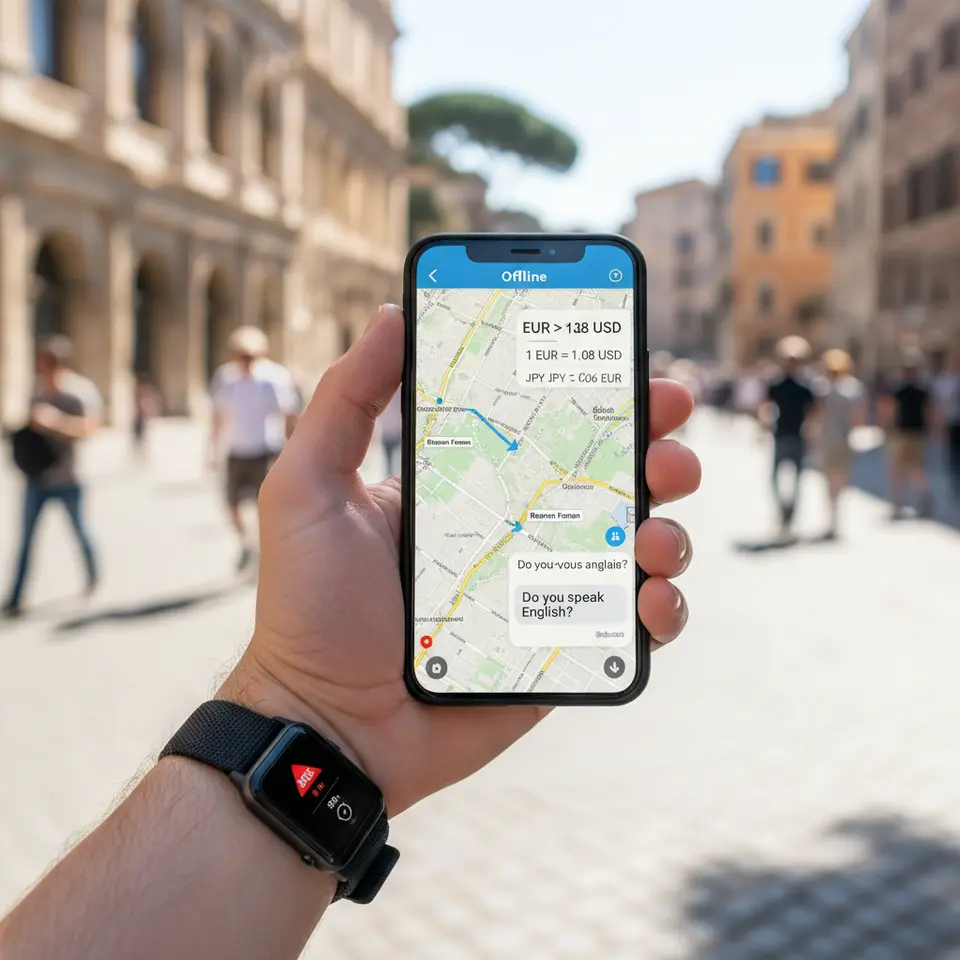
This year, wearable technology has become indispensable for solo travel safety. Smartwatches equipped with fall detection, heart rate monitoring, and one-tap SOS alerts connect you directly to local emergency services if you encounter trouble. Many models allow you to program trusted contacts, so that in addition to automatic notifications, your chosen network receives real-time updates on your status and location. Certain adventure-focused devices also include GPS tracking and weather alerts, enabling you to stay informed about environmental changes during remote excursions.
Offline and Augmented Navigation
Navigating unfamiliar territory without reliable cellular data is now simpler thanks to advanced offline mapping solutions. Apps like Maps.me or Google Maps Offline let you download detailed maps with turn-by-turn directions that work entirely without a network connection. For an enhanced experience, some platforms offer augmented reality overlays that display informational snippets—such as historical context or transit schedules—when you point your phone camera at a vicinity marker. This fusion of offline reliability and AR innovation ensures you never lose your way, even deep in rural areas.
Local Connectivity with eSIM and Multi-SIM Options
Maintaining a stable data connection is vital for solo travel logistics and safety. eSIM technology allows you to purchase and activate local data plans instantly, without swapping physical SIM cards. This eliminates the risk of losing a tiny chip in transit and enables on-demand top-ups directly from your mobile device. Alternatively, multi-SIM travel routers give you the flexibility to handle multiple country profiles simultaneously, making it easier to switch networks as you move across borders. Reliable data access ensures you can manage bookings, communicate with hosts, and access digital guides at any moment.
Real-Time Translation and Communication Gadgets
Overcoming language barriers has reached a new level of convenience with portable translation devices. These dedicated gadgets or app-based hands-free systems can interpret dozens of languages in seconds, allowing for fluid, face-to-face conversations with locals. Many devices also support offline functionality by downloading language packs in advance. For broader communication, community-driven chat platforms connect travelers and residents for informal meetups, advice exchanges, and real-time support. Combining real-time translation with local knowledge-sharing tools enhances both safety and cultural immersion.
Expense Tracking and Digital Wallets
Managing finances on the go is easier than ever with digital wallet applications and expense trackers. Link your multi-currency cards to apps that categorize spending, alert you to suspicious transactions, and project budget forecasts based on your current rate of expenditure. Some platforms even offer instant peer-to-peer payments, freeing you from reliance on cash exchanges. Integrating these financial tools into your itinerary minimizes the risk of overspending and maximizes transparency in how you allocate resources throughout your solo travel.
Accommodation, Budgeting, and Well-being on the Road
Accommodation Strategies for Comfort and Security
Choosing the right lodging can elevate your solo travel experience, delivering both safety and cultural insight. Hostels offering private rooms combine community energy with personal space, complete with lockable doors and secure storage areas. Locally owned guesthouses often come with personalized tips from hosts who know the neighborhood intimately, while established hotel chains provide consistent service standards and 24/7 front desk support. Before booking, verify reviews on reputable platforms and look for properties with emergency protocols and clear cancellation policies.
Budgeting and Money Management Essentials
Financial agility is crucial for any solo traveler aiming to avoid unexpected crises. Load multiple currencies onto a single multi-currency card to bypass ATM fees and dynamic currency conversion traps. Distribute emergency cash in concealed pouches separate from your primary wallet. Utilize budgeting apps that track daily expenses, set spending limits, and send alerts when you’re nearing thresholds. Incorporating sudden costs—such as medical visits or equipment rental—into your contingency fund prevents disruptions to your itinerary when unexpected expenses arise. By maintaining this level of oversight, you can allocate funds for memorable experiences without jeopardizing your financial stability.
Health and Well-being Practices
Monitoring physical and mental health on the road should be part of every solo travel plan. Pack a portable first-aid kit stocked with essentials—bandages, antiseptic wipes, and prescription medications. Stay hydrated by carrying a reusable water bottle with built-in filters, and keep energy levels steady with healthy snacks such as nuts and granola bars. Schedule regular rest days to unwind and combat travel fatigue or loneliness. Practicing simple mindfulness techniques, like deep breathing or journaling, can help maintain emotional balance during extended trips. Consult local health guidelines via official portals like WHO to stay informed on regional health recommendations.
Cultural Immersion and Local Connections
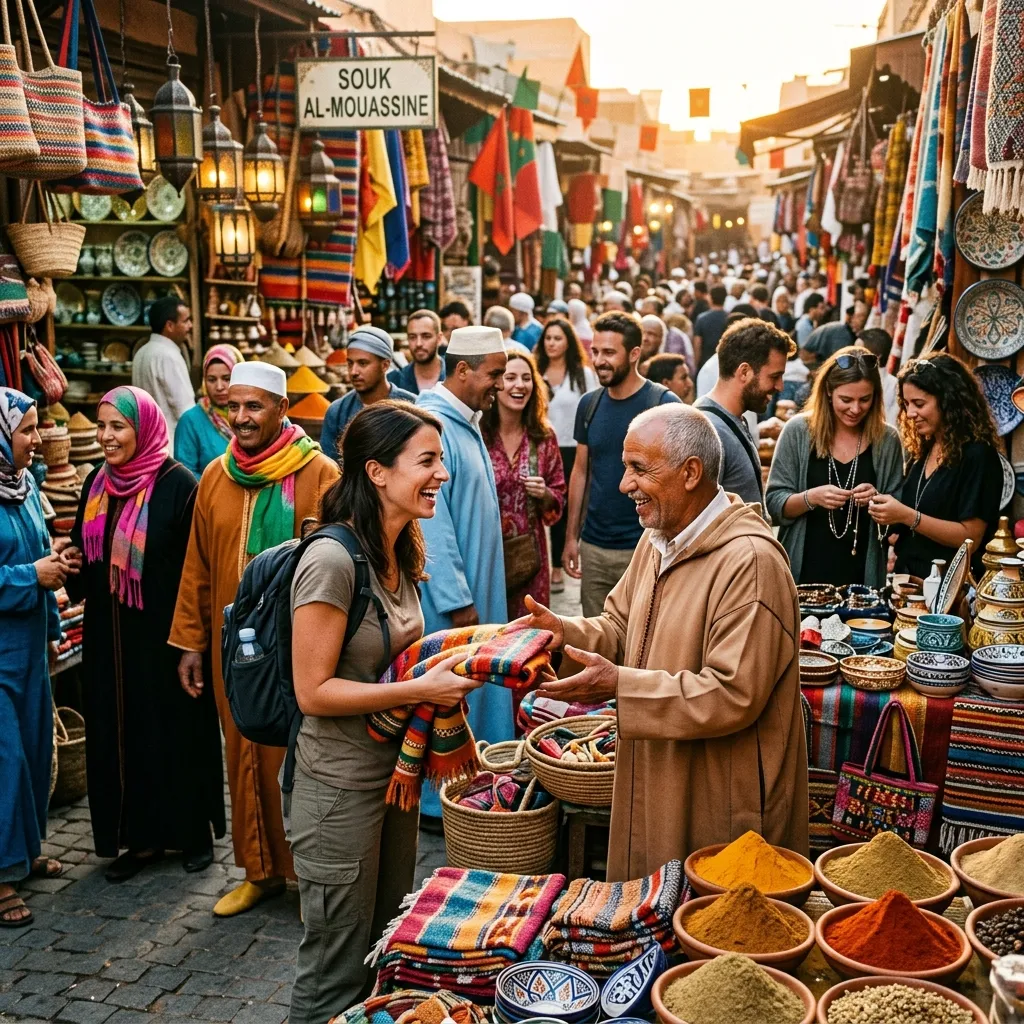
Engaging with local communities enriches your journey and enhances personal security by building a network of friendly contacts. Join language exchange meetups or volunteer programs such as Workaway to share skills in exchange for homestays. Participate in cooking classes, craft workshops, or traditional ceremonies to gain deeper cultural insight. These authentic interactions not only foster mutual respect but also create memorable stories and friendships that resonate long after you return home.
Sustainable Solo Travel Practices
Traveling responsibly ensures that your presence benefits—rather than burdens—local environments and communities. Opt for eco-friendly transport options like trains, e-bikes, or shared rides to reduce carbon footprints. Support local economies by buying seasonal produce from farmers’ markets and patronizing family-owned eateries. Embrace minimalist packing by bringing reusable items—water bottles, bamboo utensils, and cloth bags—to minimize single-use plastics. These thoughtful choices contribute to a healthier planet and leave positive impressions on the places you visit.
Conclusion
Solo travel this year presents an unparalleled opportunity for exploration, self-discovery, and cultural exchange. Armed with thorough research, robust safety strategies, and cutting-edge technology, you can confidently navigate unfamiliar environments and immerse yourself in diverse experiences on your own terms. From understanding local customs to maintaining digital hygiene, each component of your preparation plays a vital role in crafting a memorable and secure journey.
By leveraging innovative tools—such as offline mapping apps, wearable SOS devices, and eSIM connectivity—solo travel ceases to be a leap into the unknown and transforms into a well-supported adventure. Equally important is nurturing your health, budgeting wisely, and fostering genuine connections with the communities you encounter. When you travel sustainably and respectfully, you leave a positive impact that extends beyond your personal memories.
FAQ
How can I stay safe when traveling solo in unfamiliar destinations?
Maintain regular check-ins with trusted contacts, blend in with local customs, and practice situational awareness. Use encrypted messaging apps for silent location sharing and familiarize yourself with common regional scams. Trust your instincts and seek help from verified guides or official authorities when in doubt.
What tech tools are essential for solo travelers in 2026?
Invest in a wearable safety device with fall detection and SOS alerts, download offline mapping and augmented navigation apps, activate an eSIM or multi-SIM solution for reliable data, and carry a real-time translation gadget for smooth communication.
What should I include in my pre-trip research?
Compile a risk assessment from government advisories and local news portals, learn key cultural etiquettes and language phrases, secure comprehensive travel insurance, and draft a flexible budget that accommodates emergencies and spontaneous adventures.
How do I manage my budget and finances while traveling alone?
Use multi-currency cards to avoid ATM and conversion fees, track expenses with budgeting apps, distribute emergency cash in concealed pouches, and include a contingency fund in your plan to handle unexpected costs without derailing your itinerary.
Is solo travel suitable for first-time travelers?
Yes. Solo travel is suitable for beginners when planned carefully. Start with traveler-friendly destinations, book secure accommodations, and use modern travel apps for navigation, communication, and safety assistance.
What are the best destinations for solo travel this year?
Popular solo travel destinations include Japan, Portugal, Thailand, Iceland, New Zealand, and Costa Rica due to their safety, reliable transportation, welcoming locals, and strong tourism infrastructure.
How can solo travelers avoid loneliness during trips?
Join local tours, stay in social hostels, attend cultural workshops, participate in language exchanges, and use traveler community apps to connect with locals and fellow explorers.
What safety apps should solo travelers use?
Useful solo travel safety apps include offline navigation tools, encrypted messaging platforms, emergency SOS trackers, translation apps, and travel advisory applications offering real-time alerts and updates.
Why is travel insurance important for solo travel?
Travel insurance protects solo travelers against medical emergencies, cancellations, lost luggage, theft, and evacuation costs, ensuring financial security and peace of mind during unexpected situations.
How can I protect my belongings while traveling alone?
Use anti-theft backpacks, hidden money belts, luggage locks, and secure digital backups of important documents. Avoid displaying valuables openly in crowded tourist areas.
What are the biggest advantages of solo travel?
Solo travel offers freedom, flexibility, self-discovery, cultural immersion, confidence building, and complete control over your itinerary without needing to compromise with travel companions.
How do solo travelers stay connected abroad?
Travelers can stay connected through eSIM technology, portable Wi-Fi routers, local SIM cards, encrypted messaging apps, and offline communication tools for remote destinations.
What should I pack for a solo travel adventure?
Pack light with essentials including travel documents, a first-aid kit, power banks, portable chargers, reusable water bottles, safety gadgets, weather-appropriate clothing, and digital backups.
How can solo travel improve personal growth?
Solo travel develops independence, resilience, confidence, adaptability, and problem-solving skills by encouraging travelers to navigate unfamiliar environments and handle challenges independently.