This comprehensive guide explores the best traditional Italian holiday dishes. You will learn how to craft mouthwatering seafood, perfect pasta courses, and classic desserts. Master expert techniques, avoid common culinary mistakes, and create an unforgettable festive feast for your family and friends.
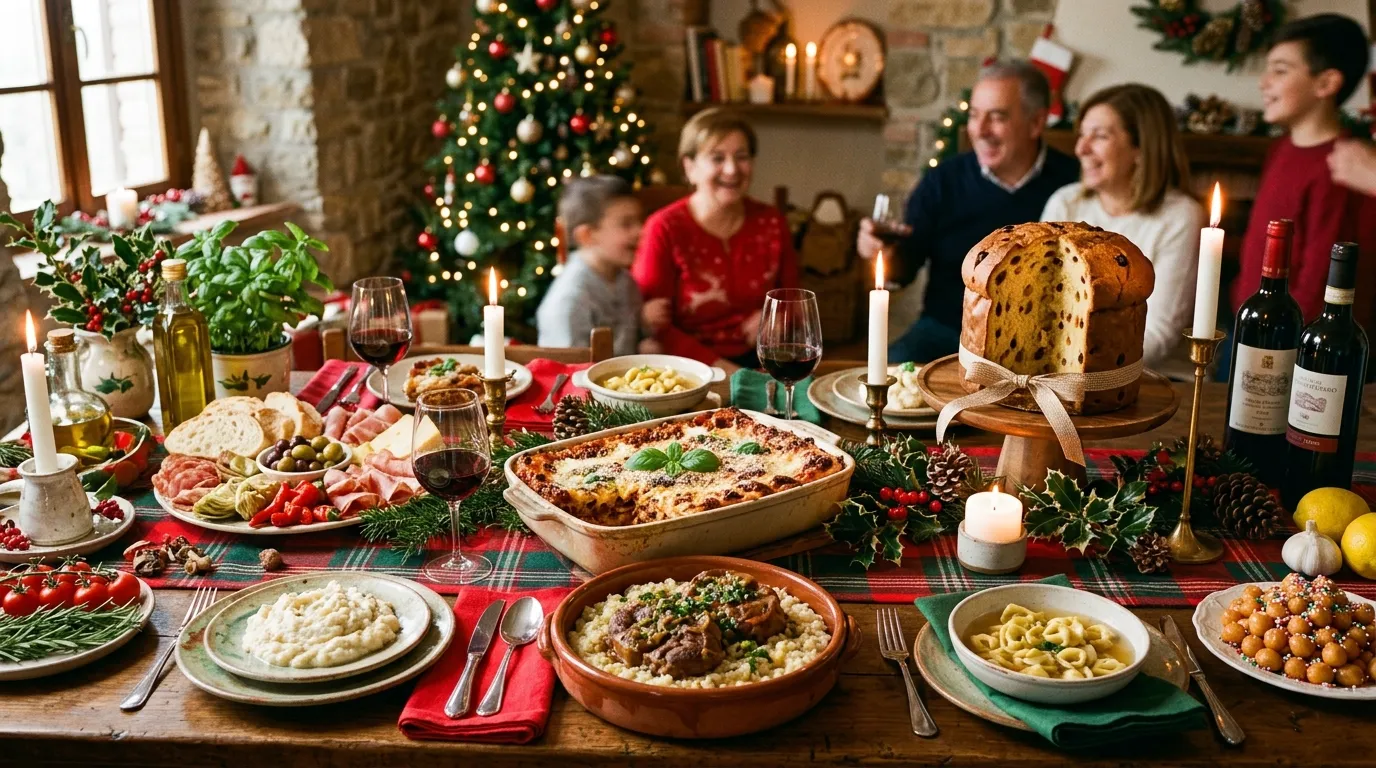
When the winter months arrive, kitchens across Italy transform into bustling hubs of culinary magic. Food is the undeniable centerpiece of the holiday season, bringing generations together around a crowded table. Preparing authentic Italian Christmas recipes is more than just cooking; it is a profound celebration of heritage, family, and regional pride.
Every region, from the snowy peaks of the Alps to the sun-drenched coasts of Sicily, boasts its own unique culinary traditions. However, the universal theme is abundance. You will find tables groaning under the weight of meticulously crafted antipasti, rich and comforting pasta courses, succulent roasted meats, and towering sweet breads. Understanding these traditions allows you to recreate the magic in your own home. By utilizing high-quality ingredients, practicing patience, and cooking with love, you can master authentic Italian Christmas recipes and create a holiday experience your guests will talk about for years.
Christmas Eve: The Feast of the Seven Fishes

In Italy, Christmas Eve (La Vigilia) is traditionally a day of fasting from meat. This religious observance birthed one of the most famous culinary traditions in the world: The Feast of the Seven Fishes. While the exact number of dishes can vary from seven to thirteen depending on the family, the focus remains entirely on fresh, vibrant seafood.
Salt Cod (Baccalà)
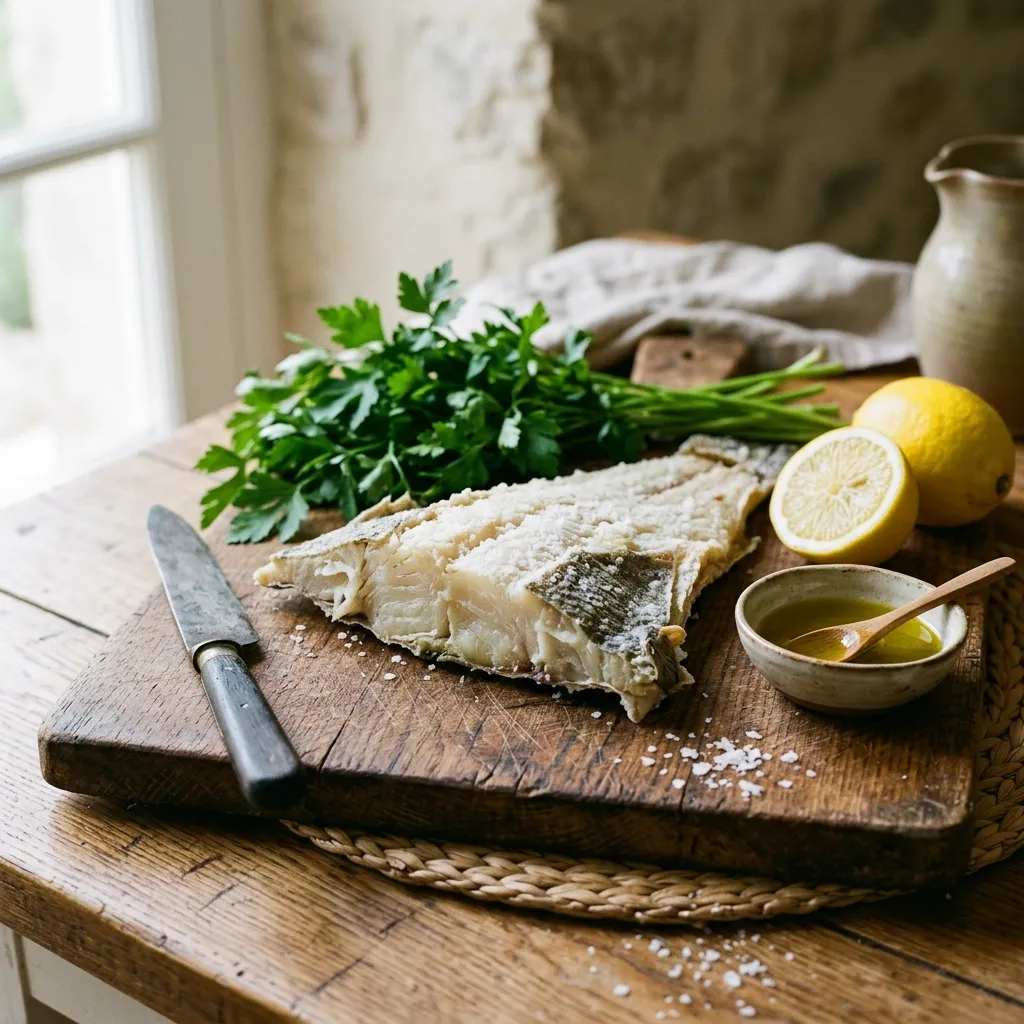
Baccalà is arguably the most essential ingredient for a traditional Christmas Eve dinner. This dried and salted cod requires days of soaking in cold water to remove the excess salt and rehydrate the flesh. Once prepared, it transforms into a versatile ingredient. You can fry it in a light, crispy batter, stew it with tomatoes, capers, and olives, or whip it into a creamy spread served over crusty bread. The rich, savory flavor of baccalà is a staple in authentic Italian Christmas recipes.
Linguine with Clams (Linguine alle Vongole)
No seafood feast is complete without a stunning pasta course. Linguine alle Vongole is a magnificent showcase of simplicity and elegance. You need only a few ingredients: fresh clams, high-quality extra virgin olive oil, garlic, white wine, and fresh parsley. The natural briny juices of the clams mix with the wine and oil to create a luscious, flavorful sauce that coats every strand of pasta. If you want to perfect this dish, check out our homemade pasta guide to elevate your noodles.
Fried Calamari and Smelt
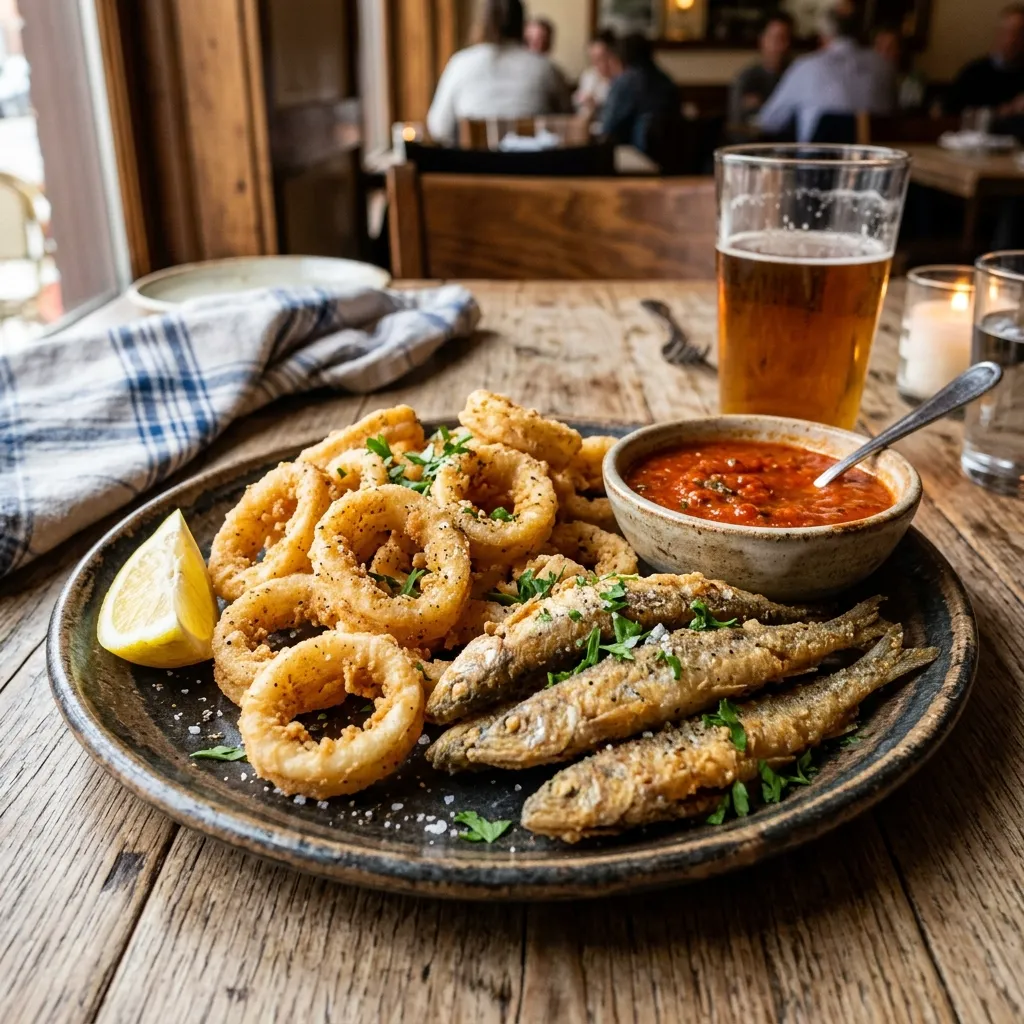
Fried seafood often serves as a crowd-pleasing appetizer or a crispy side dish. Tender rings of calamari and small, whole smelts are lightly tossed in seasoned flour and fried until golden brown. Serve them immediately with wedges of fresh lemon. The acidity of the lemon perfectly cuts through the richness of the fried fish, preparing your palate for the next course.
Christmas Day: Rich and Hearty Dishes
When Christmas Day arrives, the ban on meat is lifted, and the feast takes on a richer, heavier profile. This is the time for elaborate, slow-cooked dishes that require time and dedication.
Tortellini in Brodo
In the northern region of Emilia-Romagna, Christmas Day dinner always begins with Tortellini in Brodo. This delicate, comforting dish consists of tiny, hand-folded pasta rings stuffed with a mixture of pork, prosciutto, mortadella, and Parmigiano-Reggiano. Instead of a heavy sauce, these little parcels swim in a rich, crystal-clear capon or beef broth. Making the tortellini is often a family activity, with everyone gathering around the table to fold the pasta.
Lasagna alla Bolognese
For many families, baked pasta is the star of the show. Lasagna alla Bolognese is a labor of love, featuring layers of delicate, spinach-tinted fresh pasta sheets. These layers are interspersed with a slow-simmered, meaty ragù and a velvety, rich béchamel sauce. Unlike American-style lasagna, traditional Bolognese versions do not use ricotta cheese. The result is a refined, melt-in-your-mouth dish that defines holiday comfort. If you love slow-cooked sauces, you might also enjoy our recipe for classic Sunday gravy for your next weekend meal.
Roast Meats
Following the pasta, the “secondo” or main course usually features a magnificent roast. Depending on the region, this could be a succulent roast lamb seasoned with rosemary and garlic, a tender veal roast, or even a stuffed capon. The meats are typically slow-roasted to ensure maximum tenderness and are served alongside vibrant, seasonal vegetables.
Essential Italian Christmas Side Dishes
Side dishes, or “contorni,” are designed to complement the heavy main courses without overwhelming the palate.
Roman-Style Artichokes (Carciofi alla Romana)
In Rome and the surrounding areas, artichokes are a holiday staple. Carciofi alla Romana involves trimming fresh artichokes and stuffing the centers with a fragrant mixture of garlic, fresh mint, parsley, and olive oil. They are then braised slowly until tender. The result is a profoundly flavorful, earthy vegetable dish that pairs beautifully with roasted meats.
Broccoli Rabe with Garlic and Oil
To add a touch of bitterness and vibrant color to the table, sautéed broccoli rabe is a must. You simply blanch the greens to remove some of their bitter bite, then sauté them vigorously with lots of sliced garlic, premium olive oil, and a pinch of red pepper flakes. This simple preparation highlights the natural flavor of the vegetable.
Sweet Traditions: Italian Christmas Desserts
The grand finale of any Italian holiday meal is the dessert spread. Italian sweets are generally less sugary than their American counterparts, relying heavily on nuts, dried fruits, honey, and citrus. Exploring traditional Italian desserts is a wonderful way to cap off your meal.
Panettone and Pandoro
You cannot discuss authentic Italian Christmas recipes without mentioning these two iconic sweet breads. Panettone, originating from Milan, is a towering, dome-shaped bread studded with candied citrus peel and raisins. It boasts a light, airy texture thanks to a long, natural fermentation process. Pandoro, from Verona, is a star-shaped, golden bread flavored strongly with vanilla and dusted heavily with powdered sugar to resemble the snowy peaks of the Alps. Both are typically served with a glass of sweet wine or a dollop of mascarpone cream.
Struffoli (Honey Balls)
Hailing from Naples, Struffoli is a festive, sticky, and utterly addictive dessert. Tiny balls of dough are deep-fried until crisp, then drenched in warm honey and arranged in a wreath shape. They are generously decorated with colorful sprinkles and candied fruit. The crunch of the fried dough combined with the floral sweetness of the honey makes this a mandatory holiday treat in southern Italy.
Sicilian Cannoli
Sicily brings its own decadent flair to the holidays with authentic cannoli. Crisp, blistered pastry shells are filled to the brim with a sweetened, creamy sheep’s milk ricotta. The ends are often dipped in crushed pistachios or dark chocolate chips. The contrast between the crunchy shell and the smooth, rich filling is absolute perfection.
Regional Holiday Dishes Comparison Table
To better understand the diversity of the Italian holiday table, here is a breakdown of regional specialties:
|
Region |
Featured Dish |
Course Type |
Key Ingredients |
|---|---|---|---|
|
Campania (Naples) |
Spaghetti alle Vongole |
First Course (Eve) |
Clams, garlic, olive oil, parsley |
|
Emilia-Romagna |
Tortellini in Brodo |
First Course (Day) |
Meat-stuffed pasta, rich capon broth |
|
Sicily |
Baccalà alla Ghiotta |
Main Course (Eve) |
Salt cod, tomatoes, potatoes, olives |
|
Lombardy (Milan) |
Panettone |
Dessert |
Sweet dough, candied fruit, raisins |
|
Puglia |
Cartellate |
Dessert |
Fried dough ribbons, vincotto (grape must) |
Pro Tips for Cooking Authentic Italian Christmas Recipes
If you want to achieve truly spectacular results, follow these expert insights:
- Source the Best Ingredients: Italian cooking relies on simplicity. Because many authentic Italian Christmas recipes use fewer than five ingredients, each component must be exceptional. Invest in a high-quality extra virgin olive oil, genuine Parmigiano-Reggiano (never the pre-grated stuff), and the freshest seafood you can find.
- Prep in Advance: Holiday cooking can be overwhelming. Prepare your broths, ragù sauces, and pasta doughs a day or two in advance. This not only saves you stress but often improves the flavors as they meld in the refrigerator.
- Don’t Rush the Baccalà: If you are using salt cod, change the soaking water at least three times a day for a minimum of 48 hours. Failing to do so will result in an inedibly salty dish.
- Balance the Menu: Ensure your menu has a good mix of heavy and light dishes. If your pasta course is incredibly rich, opt for a lighter, lemon-forward seafood dish for your main.
Common Mistakes to Avoid
Even seasoned home cooks can stumble when tackling a large holiday feast. Here are the pitfalls you need to dodge:
- Overcooking the Pasta: Always cook your pasta “al dente” (firm to the bite). Remember that pasta continues to cook slightly when you toss it with hot sauce. Mushy pasta is the ultimate sin in Italian cuisine.
- Drowning Dishes in Sauce: Authentic Italian cooking coats the food; it does not drown it. Your pasta should be lightly dressed, allowing the flavor of the noodle itself to shine through.
- Serving Everything at Once: Italian meals are served in distinct courses. Do not put the pasta, meat, and sides on the same plate. Serve the antipasti first, followed by the pasta (primo), then the meat and sides (secondo and contorno). This pacing is crucial for digestion and enjoyment.
- Skipping the Digestivo: After a massive holiday meal, a small glass of an herbal liqueur like Amaro or a bright Limoncello helps settle the stomach. It is a traditional and functional end to the feast.
To dive deeper into the history of Italian holiday culinary practices, you can read more about traditional Italian cuisine and how regional ingredients shape these spectacular dishes. Furthermore, organizations like the Accademia Italiana della Cucina work tirelessly to preserve the integrity of these historic meals.
Conclusion
Bringing authentic Italian Christmas recipes to your table creates lasting memories and incredible flavors. Whether you prefer rich seafood or sweet panettone, these dishes capture the true spirit of Italy. Ready to start cooking? Gather your ingredients, invite your loved ones, and enjoy a spectacular holiday feast together.
Frequently Asked Questions
What is the Feast of the Seven Fishes?
The Feast of the Seven Fishes is an Italian-American tradition rooted in the southern Italian custom of eating seafood on Christmas Eve. It involves serving multiple courses of fish and shellfish to abstain from meat before Christmas Day.
Do I have to serve exactly seven fish dishes on Christmas Eve?
No, you do not. While seven is the traditional number, many families serve nine, eleven, or even thirteen dishes. The most important aspect is that the meal is abundant and meatless.
What is the difference between Panettone and Pandoro?
Panettone is a Milanese sweet bread containing candied fruits and raisins. Pandoro hails from Verona, does not contain fruit, has a buttery, vanilla flavor, and is shaped like an eight-pointed star.
Can I make Tortellini in Brodo ahead of time?
Yes. You can prepare the tortellini and the broth several days in advance. Keep them stored separately in the refrigerator, or freeze the tortellini, and simply boil them in the hot broth right before serving.
What type of wine pairs best with an Italian Christmas dinner?
For a seafood-heavy Christmas Eve, crisp white wines like Pinot Grigio, Verdicchio, or a dry Prosecco work beautifully. For the rich meats and pastas of Christmas Day, opt for robust reds like Chianti Classico, Barolo, or Montepulciano.
Is ricotta cheese used in traditional Lasagna alla Bolognese?
No. Authentic Lasagna alla Bolognese uses a rich, creamy béchamel sauce instead of ricotta cheese, layered with fresh spinach pasta and a slow-cooked meat ragù.
How do I properly prepare baccalà (salt cod)?
You must soak baccalà in cold water for 48 to 72 hours before cooking, changing the water two to three times a day. This process rehydrates the fish and removes the curing salt.
What is the best way to serve Panettone?
Panettone is best served sliced into wedges. You can enjoy it plain, lightly toasted with butter, or accompanied by a dollop of sweet mascarpone cream and a glass of Moscato d’Asti.
Why is Italian food served in courses?
Serving food in courses (antipasto, primo, secondo, dolce) prevents the flavors from muddying together on a single plate. It also encourages a slower, more conversational dining experience, which is the cornerstone of Italian culture.
What is a digestivo, and why is it served at Christmas?
A digestivo is an after-dinner liqueur, such as Amaro, Grappa, or Limoncello. It is served at the very end of a large holiday meal to help stimulate digestion after consuming rich and heavy foods.