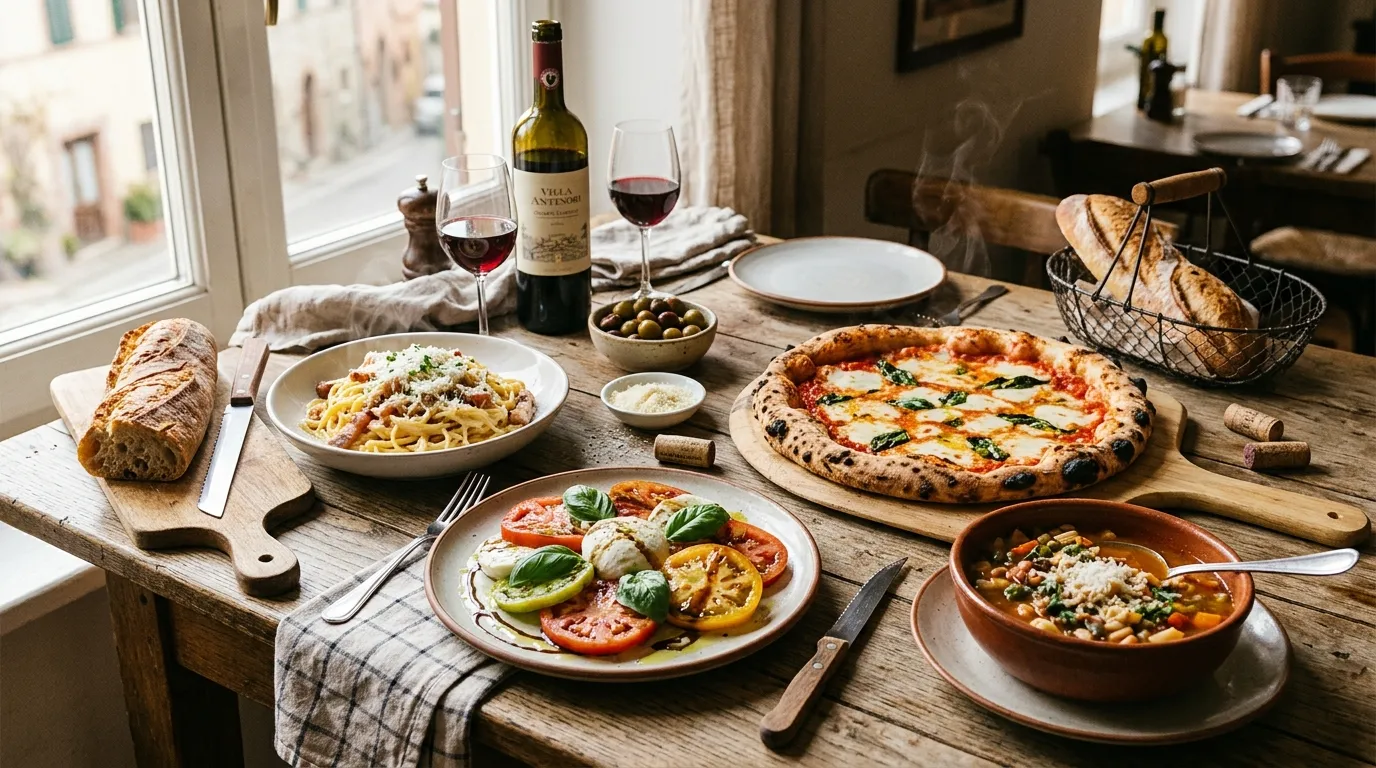
This comprehensive guide explores Italy’s rich culinary heritage. You will master traditional cooking techniques, explore regional flavor profiles, and learn how to prepare iconic recipes. Expect actionable expert tips, common mistakes to avoid, and essential insights to elevate your home cooking.
The Philosophy Behind Authentic Italian Dishes
When you explore authentic Italian dishes, you immediately notice a recurring theme: simplicity. Italian cuisine does not rely on complex techniques or overwhelming spice blends. Instead, it lets high-quality, seasonal ingredients shine. This culinary philosophy requires home cooks to source the best possible produce, meats, and cheeses available.
You will find that many of the most famous authentic Italian dishes contain fewer than five ingredients. A classic Cacio e Pepe requires only pasta, Pecorino Romano cheese, black pepper, and starchy pasta water. The magic happens through technique and timing, rather than an ingredient-heavy shopping list. By respecting the ingredients, you naturally elevate the final flavor profile of your meal.
The Importance of Seasonality
Italians base their menus around the seasons. Spring brings tender asparagus, sweet peas, and fresh artichokes. Summer bursts with vibrant tomatoes, zucchini, and fragrant basil. Autumn introduces earthy mushrooms, truffles, and hearty squashes, while winter relies on robust root vegetables, brassicas, and rich braised meats. Cooking authentic Italian dishes means adapting your menu to what nature currently provides.
To truly embrace this style, visit your local farmers’ market. Touch, smell, and examine the produce before you buy it. Building relationships with local butchers and growers guarantees you secure the freshest ingredients, forming the foundation of your Italian culinary journey.
Essential Ingredients for the Italian Kitchen
Before you attempt to cook authentic Italian dishes, you must stock your pantry correctly. Building a reliable foundation allows you to whip up a traditional meal at a moment’s notice.
- Extra Virgin Olive Oil (EVOO): This is the liquid gold of Italy. Use a high-quality, cold-pressed EVOO for finishing dishes, and a standard olive oil for cooking. Look for DOP (Protected Designation of Origin) labels to ensure authenticity.
- Tomatoes: Keep a supply of whole peeled San Marzano canned tomatoes for sauces. When in season, use fresh cherry or Roma tomatoes for light, quick pan sauces.
- Garlic and Onions: These alliums form the aromatic base for countless authentic Italian dishes.
- Pasta: Stock a variety of dried pasta shapes made from 100% durum wheat semolina. Keep long shapes like spaghetti and linguine, as well as short shapes like penne and rigatoni.
- Cheeses: Keep wedges of real Parmigiano-Reggiano and Pecorino Romano in your fridge. Never buy pre-grated cheese; it contains anti-caking agents that ruin the creamy texture of pasta sauces.
- Fresh Herbs: Basil, parsley, rosemary, sage, and thyme provide essential aromatic notes.
A Regional Guide to Italian Cuisine
Italy boasts 20 distinct regions, each offering unique authentic Italian dishes shaped by local geography, climate, and history. Understanding these regional differences transforms your approach to Italian cooking.
Northern Italy: Rich and Hearty
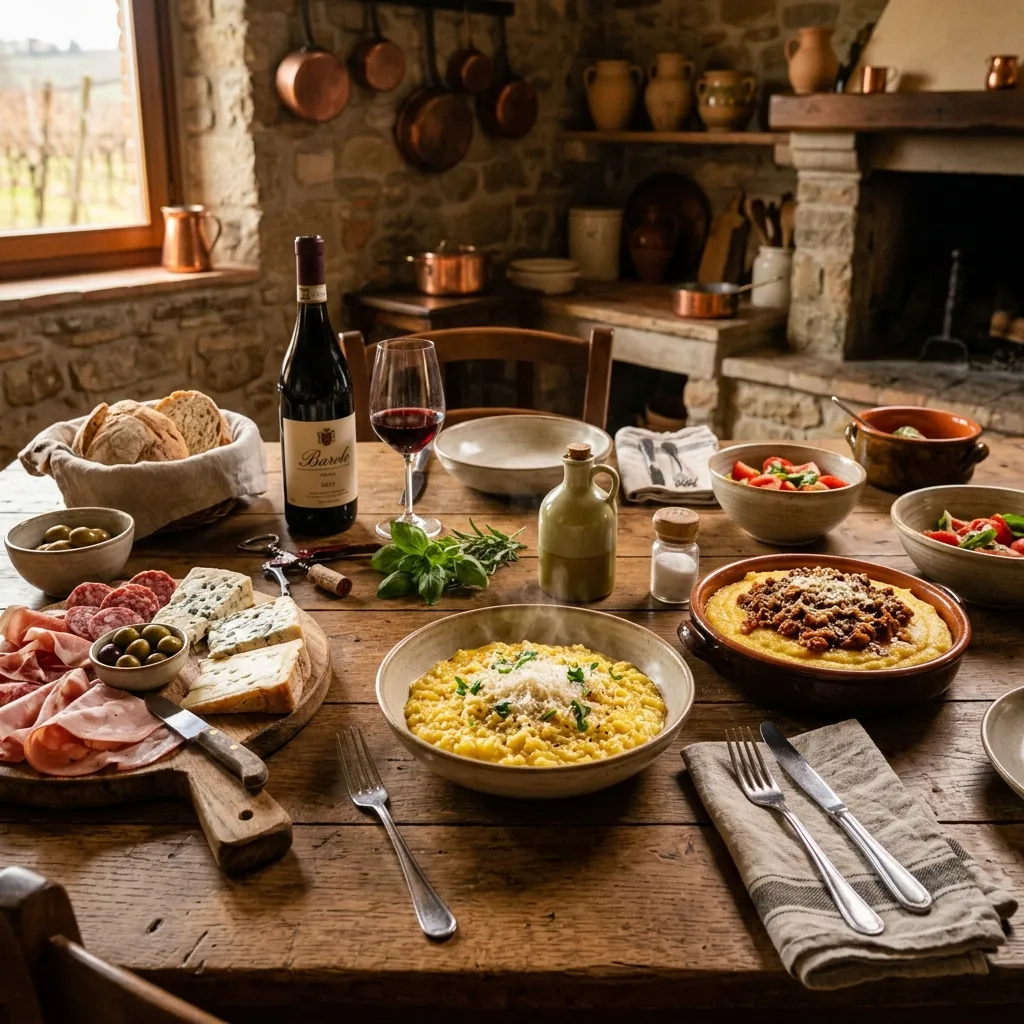
The northern regions, including Piedmont, Lombardy, and Emilia-Romagna, experience colder climates. The geography includes the Alps and the fertile Po River Valley. Consequently, the cuisine leans heavily on butter, dairy, rice, and corn.
Here, you will find iconic authentic Italian dishes like Risotto alla Milanese, enriched with saffron and bone marrow. Polenta serves as a common base for rich, slow-braised meats like Ossobuco. Emilia-Romagna, often considered the culinary heart of Italy, gives us Prosciutto di Parma, traditional balsamic vinegar, and the world-famous Tagliatelle al Ragù (often mislabeled abroad as spaghetti bolognese). If you want to master traditional Italian Sunday dinner ideas, studying Northern Italian slow-cooking methods provides the perfect starting point.
Central Italy: The Masters of Pasta
Central Italy encompasses Tuscany, Umbria, Marche, and Lazio (home to Rome). This region bridges the gap between the butter-heavy north and the olive oil-drenched south.
Rome stands as the undisputed champion of dried pasta dishes. The “Roman Quartet” consists of four legendary authentic Italian dishes: Cacio e Pepe, Gricia, Carbonara, and Amatriciana. These dishes build upon each other, utilizing a shared pantry of guanciale (cured pork jowl), Pecorino Romano cheese, and black pepper. Tuscany favors rustic, peasant-style cooking, known as cucina povera. Here, stale bread finds new life in hearty soups like Ribollita and vibrant salads like Panzanella.
Southern Italy: Sun-Drenched Flavors
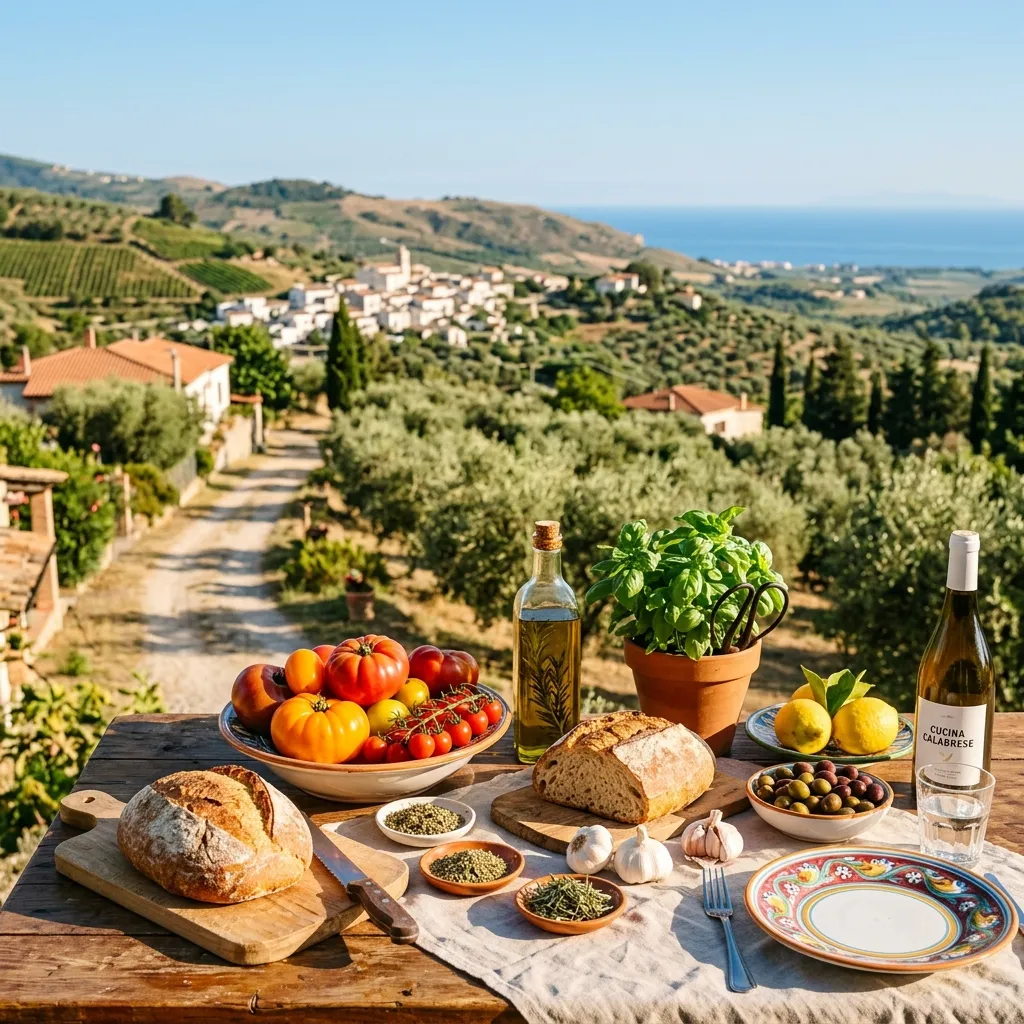
Southern Italy includes Campania, Puglia, Calabria, and Sicily. The Mediterranean climate yields abundant sunshine, resulting in incredibly flavorful tomatoes, eggplants, lemons, and olives. The cuisine relies heavily on olive oil, garlic, dried pasta, and fresh seafood.
Campania gave the world Pizza Napoletana, a masterpiece of simplicity featuring a charred crust, San Marzano tomatoes, fresh mozzarella, and basil. Sicily, influenced by centuries of varied rule, offers complex sweet and sour flavor profiles, featuring ingredients like pine nuts, raisins, capers, and swordfish. Exploring southern authentic Italian dishes reveals a vibrant, colorful, and highly aromatic culinary tradition.
Traditional Cooking Techniques You Must Master
Creating authentic Italian dishes requires more than just following a recipe; it requires mastering fundamental techniques.
The Perfect Soffritto
The soffritto acts as the flavor foundation for almost every soup, stew, and ragù in Italy. It consists of finely diced onions, carrots, and celery, gently sautéed in olive oil or butter until soft and translucent.
- Finely chop equal parts carrot and celery, and double the amount of onion.
- Heat olive oil in a heavy-bottomed pan over medium-low heat.
- Add the vegetables and cook slowly for 15 to 20 minutes.
- Stir frequently until the vegetables melt together, releasing their natural sugars without browning.
Emulsifying Pasta Water
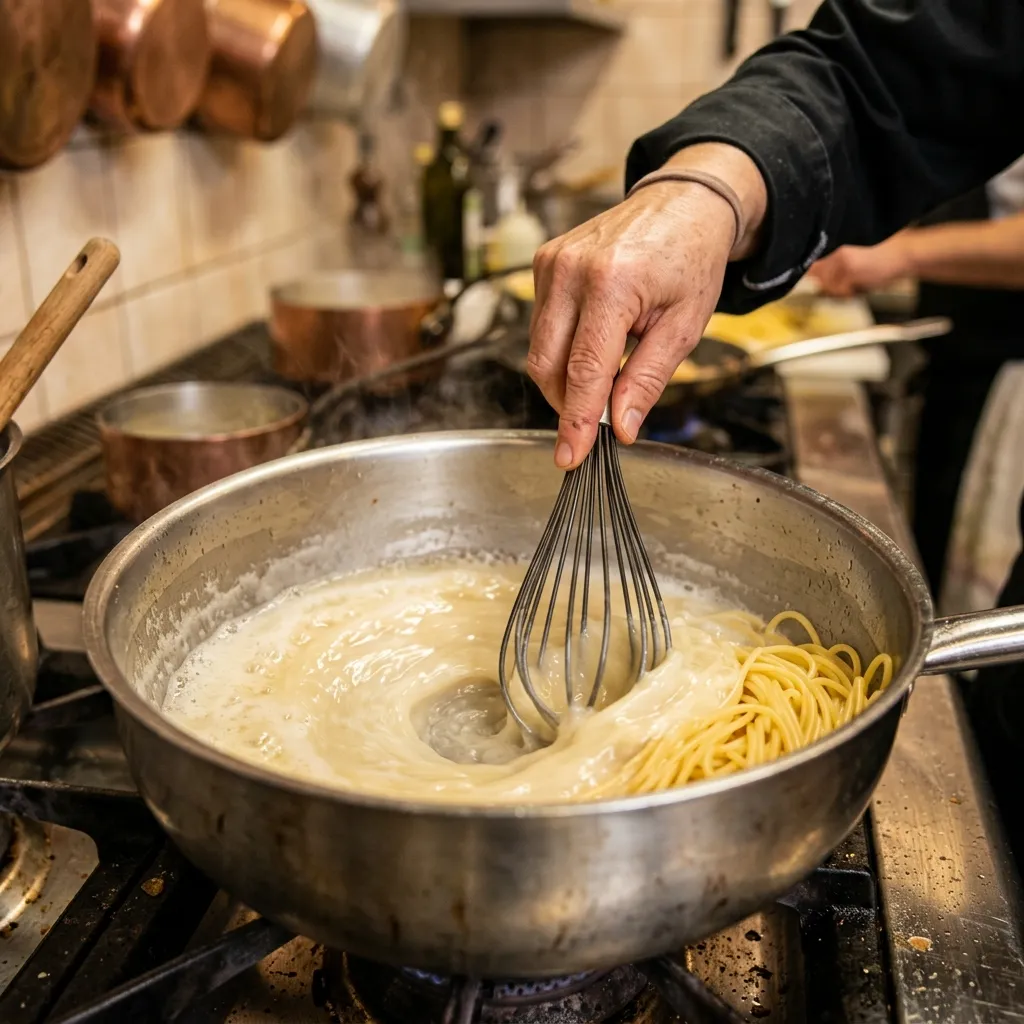
If you want your pasta to look and taste like it came from a high-end Roman trattoria, you must learn to emulsify your sauce. Pasta water contains starches released during the boiling process.
- Cook your pasta two minutes shy of the package directions.
- Reserve a large mug of the starchy pasta water.
- Transfer the undercooked pasta directly into your sauce skillet.
- Add a splash of the pasta water and toss vigorously over medium heat.
- The starch binds with the fats in the sauce, creating a glossy, cohesive coating that clings perfectly to every noodle.
Making Fresh Pasta Dough
While dried pasta is perfectly authentic for many dishes, making homemade pasta dough elevates your cooking to artisan levels.
- Mound 400 grams of “00” flour on a clean work surface.
- Create a deep well in the center and crack four large, room-temperature eggs into it.
- Beat the eggs gently with a fork, gradually incorporating the flour from the inner walls of the well.
- Once the dough comes together, knead it vigorously for 10 minutes until smooth and elastic.
- Wrap the dough tightly in plastic wrap and let it rest for at least 30 minutes before rolling. This resting period relaxes the gluten, making the dough much easier to stretch.
Regional Comparison: Northern vs. Southern Italian Cooking
To better understand authentic Italian dishes, review this breakdown of how culinary styles shift from north to south.
|
Culinary Element |
Northern Italy |
Southern Italy |
|---|---|---|
|
Primary Fat |
Butter, Lard |
Extra Virgin Olive Oil |
|
Primary Carb |
Risotto, Polenta, Fresh Egg Pasta |
Dried Durum Wheat Pasta, Crusty Breads |
|
Proteins |
Beef, Veal, Pork, Game Meats |
Seafood, Lamb, Goat, Poultry |
|
Sauce Base |
Wine, Broth, Cream |
Tomatoes, Garlic, Olive Oil |
|
Flavor Profile |
Earthy, Rich, Hearty |
Bright, Acidic, Herbaceous, Spicy |
Understanding these regional distinctions ensures your authentic Italian dishes remain true to their geographic roots.
Common Mistakes to Avoid
Even experienced home cooks stumble when attempting authentic Italian dishes. Avoid these common pitfalls to ensure your meals taste like they came straight from an Italian grandmother’s kitchen.
- Rinsing Cooked Pasta: Never rinse your pasta under cold water. Rinsing washes away the essential surface starches needed to bind the sauce to the noodle.
- Adding Oil to Pasta Water: Adding oil to your boiling water does not prevent sticking; it simply coats the pasta in a slick layer of fat, causing your beautiful sauce to slide right off. Prevent sticking by using a large pot, plenty of water, and stirring occasionally during the first minute of cooking.
- Overcooking the Pasta: Authentic Italian dishes demand pasta cooked al dente, meaning “to the tooth.” It should offer a slight, firm resistance when bitten. Overcooked, mushy pasta ruins the texture of the dish and raises the glycemic index.
- Drowning Pasta in Sauce: In Italy, sauce acts as a condiment, not a soup. You should lightly dress the pasta so that the flavor of the wheat still shines through. You should not have a pool of liquid left at the bottom of your bowl once you finish eating.
- Mixing Seafood and Cheese: A strict, unwritten rule in Italian cooking dictates that you never grate cheese over seafood pasta. The strong, salty flavor of aged cheeses easily overpowers the delicate, briny nuances of fresh fish and shellfish.
Expert Insights and Pro Tips
To truly master authentic Italian dishes, consider these expert insights utilized by professional chefs across Italy.
Salt the Water Like the Sea
Pasta absorbs water as it cooks, meaning it also absorbs salt. If your boiling water tastes bland, your pasta will taste bland, regardless of how flavorful your sauce is. Add roughly one to two tablespoons of kosher salt per gallon of boiling water. The water should taste distinctly salty, reminiscent of the ocean.
Match the Pasta Shape to the Sauce
Different shapes serve different culinary purposes.
- Long, delicate strands like spaghetti or angel hair pair beautifully with light, oil-based or smooth tomato sauces.
- Ribbons like tagliatelle or pappardelle hold up to thick, heavy meat ragùs.
- Tubular shapes like penne or rigatoni trap chunky vegetable sauces and baked cheese perfectly inside their hollow centers.
- Twisted shapes like fusilli or cavatappi grab onto textured sauces like pesto.
Finish with Fresh Herbs off the Heat
Delicate herbs like fresh basil and parsley lose their vibrant flavor and turn bitter if exposed to high, prolonged heat. Always stir these herbs into your authentic Italian dishes right at the very end, after you remove the pan from the stove.
Invest in a Microplane Grater
A microplane grater transforms hard cheeses like Parmigiano-Reggiano into fluffy, airy clouds. This fine texture allows the cheese to melt instantly and seamlessly into your sauces, preventing clumping and ensuring an even flavor distribution.
Iconic Authentic Italian Dishes to Try at Home
Now that you understand the philosophy, ingredients, and techniques, it is time to put your knowledge into practice. Here are a few iconic authentic Italian dishes you must master.
Tagliatelle al Ragù Bolognese
This legendary dish from Bologna requires patience. A true Bolognese relies heavily on meat, using very little tomato.
Start with a classic soffritto, then brown equal parts ground beef and ground pork. Deglaze the pan with dry wine, followed by a splash of milk to tenderize the meat. Add just a touch of tomato paste and broth, then simmer the sauce gently for at least three hours. Toss the rich ragù with fresh, homemade egg tagliatelle.
Spaghetti alla Carbonara
A staple of Roman cuisine, Carbonara is rich, creamy, and entirely dairy-free (aside from the cheese).
Crisp up diced guanciale in a cold skillet, letting the fat render out slowly. In a bowl, whisk together egg yolks, abundant Pecorino Romano cheese, and an aggressive amount of freshly cracked black pepper. Toss hot, al dente spaghetti in the rendered pork fat, remove the pan from the heat, and quickly fold in the egg mixture with a splash of pasta water. The residual heat cooks the eggs into a silky, luxurious sauce.
Melanzane alla parmigiana
This southern classic highlights the beauty of the eggplant.
Slice eggplants thinly, salt them to draw out bitterness, and fry them until golden brown. Layer the fried eggplant slices in a baking dish with a simple basil-infused tomato sauce, fresh mozzarella, and grated Parmigiano-Reggiano. Bake until bubbly and caramelized. It serves as an excellent vegetarian main course or a hearty side dish.
Classic Tiramisù
No culinary journey through Italy is complete without exploring classic Italian desserts. Tiramisù, meaning “pick me up,” perfectly balances sweetness with bold coffee flavors.
Whisk egg yolks and sugar until pale, then fold in rich mascarpone cheese and whipped egg whites. Briefly dip Savoiardi (ladyfingers) into strong, room-temperature espresso. Layer the soaked cookies with the mascarpone cream, chill for several hours, and dust heavily with unsweetened cocoa powder before serving.
Building Topical Authority in Italian Cuisine
If you want to immerse yourself further into cooking authentic Italian dishes, you must explore the cultural context surrounding the food. Italian dining centers around connection. Meals unfold slowly over multiple courses: antipasto (appetizers), primo (first course, usually pasta or rice), secondo (main meat or fish course), contorno (side dishes), and finally, dolce (dessert).
You do not need to prepare a five-course meal every night to enjoy authentic Italian dishes. However, adopting the Italian mindset—sitting down at a table, pouring a glass of wine, turning off the television, and savoring the food and conversation—enhances the culinary experience exponentially.
Conclusion
Mastering authentic Italian dishes transforms your daily meals into a celebration of culture, history, and flavor. Embrace fresh ingredients, trust traditional techniques, and share your creations with loved ones. Ready to start cooking? Grab your apron, boil some water, and bring the magic of Italy to your kitchen tonight!
FAQs
1. What defines authentic Italian dishes?
Authentic Italian dishes rely on high-quality, seasonal ingredients and traditional preparation methods rather than complex flavorings. They focus on regional specialties, letting a few core ingredients shine through simple, respectful cooking techniques.
2. Why do Italians eat pasta al dente?
Eating pasta al dente (firm to the bite) provides a better texture and prevents the dish from becoming mushy when mixed with warm sauce. Additionally, al dente pasta has a lower glycemic index, meaning it digests more slowly and keeps you full longer.
3. What is the secret to a perfect Italian tomato sauce?
The secret lies in using high-quality canned San Marzano tomatoes or fresh, ripe summer tomatoes. Keep the cooking time short to preserve the bright, acidic flavor of the fruit, and finish the sauce with a drizzle of premium olive oil and fresh basil.
4. How do northern and southern Italian cuisines differ?
Northern cuisine uses butter, cream, rice, and hearty meats to combat colder climates. Southern cuisine relies on olive oil, dried pasta, fresh seafood, and vibrant vegetables like tomatoes and eggplants, reflecting its warm, Mediterranean environment.
5. Can I use dried herbs instead of fresh in Italian cooking?
While fresh herbs like basil and parsley provide superior flavor, you can use dried herbs like oregano, rosemary, and thyme for roasted dishes or slow-simmered sauces. Always use fresh basil for finishing dishes, as dried basil loses its essential aromatic oils.
6. What is a traditional Italian meal structure?
A traditional Italian feast includes an antipasto (starter), a primo (first course, typically pasta, risotto, or soup), a secondo (main protein course like meat or fish), a contorno (vegetable side dish), and a dolce (dessert), often followed by espresso.
7. Why do authentic Italian recipes use so few ingredients?
Italian culinary philosophy dictates that if you source exceptional ingredients, you do not need to mask their flavors with heavy spices or complex additions. Fewer ingredients allow the natural quality of the food to take center stage.
8. What type of flour is best for making fresh pasta?
For the silkiest, most authentic fresh egg pasta, use Italian “00” (doppio zero) flour. It is milled incredibly fine, which produces a smooth, elastic dough that rolls out beautifully without tearing.
9. How do I store leftover fresh pasta?
If you have leftover fresh pasta dough, wrap it tightly in plastic wrap and store it in the refrigerator for up to two days. You can also shape the pasta, dust it heavily with semolina flour, and freeze it in an airtight container for up to a month.
10. What is the difference between Parmigiano-Reggiano and Pecorino Romano?
Parmigiano-Reggiano is made from cow’s milk in Northern Italy, offering a nutty, savory, and slightly sweet flavor. Pecorino Romano is made from sheep’s milk in Central/Southern Italy, delivering a sharper, saltier, and more pungent bite.