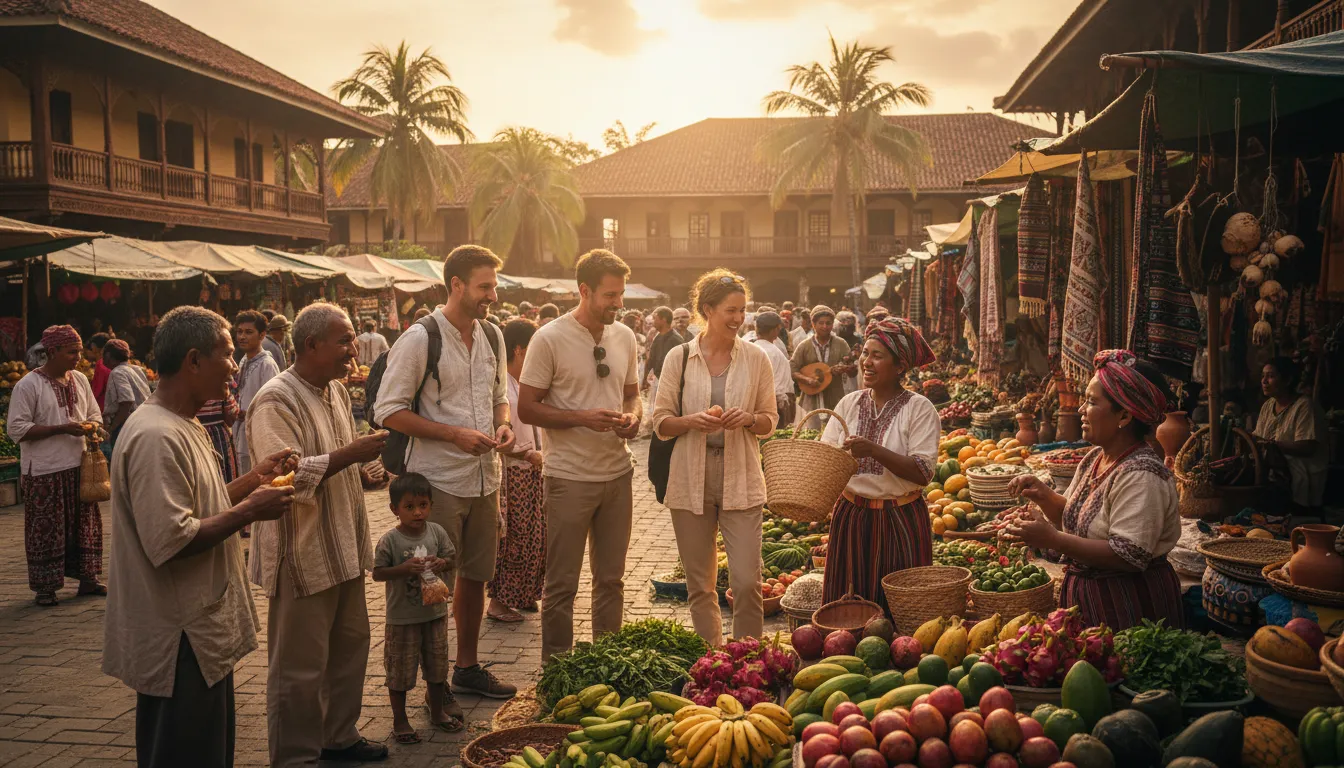
This comprehensive guide explores the transformative power of connecting deeply with global communities. You will learn the core differences between standard sightseeing and immersive journeys, discover actionable strategies for planning your trip, and explore expert tips. By avoiding common pitfalls and embracing local customs, you can ensure your next adventure leaves a lasting, positive impact.
Understanding Cultural Immersion Travel
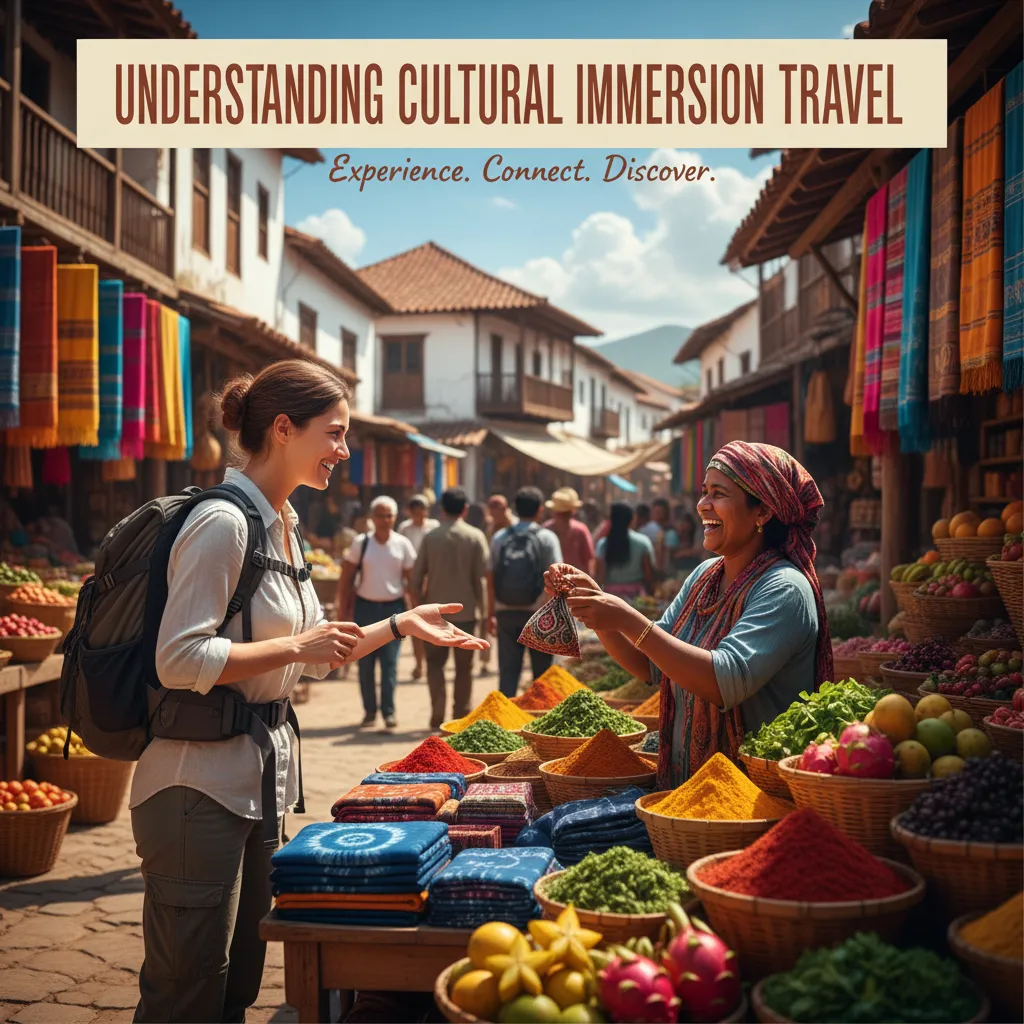
Cultural immersion travel represents a fundamental shift in how we approach exploring the globe. Instead of skimming the surface of a destination through bus windows and guided resort tours, this approach demands active participation. It requires you to eat where the locals eat, navigate public transportation, participate in community events, and learn the nuances of daily life.
When you dive into a new environment, you strip away the polished veneer designed for tourists. You experience the raw, unfiltered reality of a place. This method of exploration fosters empathy and breaks down cultural barriers. You learn to appreciate the historical context that shapes community behaviors and artistic expressions. For example, participating in a traditional Japanese tea ceremony or learning to weave from indigenous artisans in Peru provides a profound understanding of heritage that no museum exhibit can replicate.
Organizations like UNESCO emphasize the importance of preserving intangible cultural heritage. By engaging directly with these practices, travelers help sustain local economies and validate the importance of regional customs.
The Deep Benefits of Authentic Local Experiences
Choosing to travel immersively brings a wealth of benefits to both the traveler and the host community.
Personal Growth and Perspective
Stepping outside your comfort zone accelerates personal development. Navigating a bustling market in Marrakech or deciphering a regional dialect in rural Italy challenges your problem-solving skills. You develop adaptability, resilience, and a broader worldview. Exposure to different ways of living forces you to re-evaluate your own assumptions and biases.
Meaningful Connections
Standard tourism often isolates travelers in a bubble of familiarity. Immersive travel bursts that bubble. By striking up conversations with shopkeepers, sharing a meal with a host family, or playing a pickup game of soccer with local children, you forge genuine human connections. These interactions often become the most cherished memories of any trip.
Economic Support for Local Communities
When you prioritize authentic experiences, your travel budget directly supports the local economy. Staying in independent guesthouses, hiring neighborhood guides, and purchasing handmade crafts ensure that the financial benefits of tourism reach the people who need them most. This micro-economic support empowers communities and encourages the preservation of their unique cultural identities.
How to Plan a Deeply Immersive Journey
Careful preparation lays the groundwork for a successful and respectful journey.
Research Beyond the Guidebook
Begin by studying the history, politics, and social norms of your destination. Read literature authored by local writers, watch regional films, and listen to traditional music. Understanding the context of a place prevents unintentional disrespect and enriches your daily observations.
Choose Community-Based Accommodation
Skip the international hotel chains. Opt for homestays, locally owned bed-and-breakfasts, or eco-lodges that integrate with the surrounding environment. Platforms that connect travelers with host families offer a direct pipeline into daily household rhythms, providing insights into local customs, mealtimes, and family dynamics.
Master Basic Language Skills
You do not need to be fluent, but learning essential phrases demonstrates respect. Locals appreciate the effort when you can say “hello,” “please,” “thank you,” and “delicious” in their native tongue. It opens doors, invites smiles, and often leads to deeper conversations.
Embrace Slow Travel
Resist the urge to pack your itinerary with a dozen cities in a single week. Slow travel is the cornerstone of immersion. Spend an extended period in one location. This allows you to establish a routine, recognize familiar faces at the neighborhood bakery, and discover hidden gems that only reveal themselves over time.
A Gateway to Culture: Culinary Immersion
Food serves as a universal language and one of the most accessible entry points into a new culture. Every dish tells a story of geography, history, and community resourcefulness.
To truly immerse yourself culinarily, avoid restaurants with multi-language menus featuring generic international dishes. Instead, seek out busy street food stalls, neighborhood markets, and hole-in-the-wall eateries filled with locals.
Consider booking a cooking class led by a regional chef. Going to a local market to select fresh ingredients, learning traditional preparation methods, and sharing the final meal provides a comprehensive understanding of a region’s agricultural and historical roots.
Traditional Tourism vs. Immersive Travel
|
Feature |
Traditional Tourism |
Cultural Immersion |
|---|---|---|
|
Accommodation |
International chain hotels, large resorts |
Homestays, locally-owned boutique inns |
|
Dining |
Tourist-centric restaurants, familiar foods |
Street food, local markets, family kitchens |
|
Transportation |
Tour buses, private taxis |
Public transit, walking, cycling |
|
Pacing |
Fast-paced, multiple cities in few days |
Slow travel, extended stays in one region |
|
Interaction |
Transactional (hotel staff, tour guides) |
Relational (host families, local artisans) |
|
Economic Impact |
Profits often leave the country |
Direct support to the local community |
Common Mistakes to Avoid
Even well-intentioned travelers can misstep. Keep these common pitfalls in mind:
- Viewing Locals as Attractions: Communities are not exhibits. Treat people with dignity and always ask for permission before taking photographs.
- Over-planning the Itinerary: Leaving no room for spontaneity robs you of unexpected invitations and serendipitous discoveries.
- Clinging to Comfort Zones: Refusing to try unfamiliar foods or participate in unusual customs defeats the purpose of the trip.
- Ignoring Dress Codes: Many cultures have strict guidelines regarding modesty, particularly in religious or rural areas. Research and pack accordingly.
- Comparing Everything to Home: Uttering phrases like “Well, back home we do it this way” creates an immediate barrier. Embrace the differences rather than judging them.
Pro Tips and Expert Insights
To elevate your travel experience, consider these expert strategies:
- Follow the Rule of Three: When looking for a place to eat, walk at least three blocks away from any major tourist monument. The food will be better, cheaper, and more authentic.
- Say Yes to Invitations: If a local invites you to a community festival, a family dinner, or a neighborhood gathering, accept it (while exercising basic safety precautions). These unplanned moments offer the deepest insights.
- Volunteer Ethically: If you wish to give back, research organizations carefully. Ensure your skills are actually needed and that the project empowers the community rather than creating dependency. Read guidelines from resources like National Geographic on sustainable practices.
- Keep a Travel Journal: Documenting your daily observations, conversations, and emotional responses helps process the complex feelings that arise during deep cultural engagement.
Building Topical Authority: Expanding Your Horizons
To maximize the value of your journey, explore specific facets of the local lifestyle. Engage in agritourism by visiting working farms or vineyards. Explore indigenous tourism to learn about the original inhabitants of a region and their ongoing struggles and triumphs. Participate in artisan workshops, learning pottery, painting, or textile weaving directly from the masters.
These micro-immersions build a holistic understanding of the destination. They move you away from the concept of travel as mere consumption and toward a model of travel as education and exchange.
Navigating the Challenges of Deep Travel

Immersive travel is not always easy. It requires patience and a high tolerance for ambiguity. You will likely face language barriers, confusing transit systems, and unfamiliar social etiquette. You might experience homesickness or culture shock.
Acknowledge these challenges as part of the process. Culture shock usually follows a predictable curve: the initial honeymoon phase, a period of frustration, gradual adjustment, and eventual adaptation. When you feel overwhelmed, take a step back, find a quiet cafe, and observe. Give yourself grace. The moments of highest friction often precede the moments of deepest learning.
The Future of Global Exploration
As the world becomes increasingly interconnected, the desire for genuine connection grows stronger. Mindless consumption of destinations is giving way to regenerative travel—a model where visitors leave a place better than they found it. By choosing local experiences, you become an ambassador for this positive shift. You promote mutual respect and cross-cultural solidarity.
Conclusion
Embracing cultural immersion travel transforms an ordinary vacation into a profoundly life-altering journey. By stepping away from the crowds, engaging with local traditions, and maintaining a posture of curiosity and respect, you open yourself to the true heartbeat of a destination. Whether you are learning a new language, sharing a home-cooked meal, or navigating a vibrant market, these authentic interactions foster global empathy. Pack your bags with an open mind, and let your next adventure change the way you see the world.