
Traveling across the continent offers an unparalleled opportunity to dive into a rich tapestry of flavors, ingredients, and culinary history. If you want to truly understand a culture, you need to taste its food. Finding the absolute must-try dishes in Europe can transform a simple vacation into an unforgettable European food tour. Whether you are wandering the cobblestone streets of Rome or exploring the vibrant markets of Barcelona, knowing exactly what to order is the secret to a perfect trip. Let us explore the magnificent plates that define this diverse continent.
This comprehensive guide explores the most iconic and mouth-watering meals you need to experience on your next trip. We will break down the cultural significance, core ingredients, and best locations for each dish. You will also find a handy comparison table, expert dining tips, and common mistakes to avoid to ensure your culinary travel guide experience is absolutely flawless.
Why You Need to Explore Must-Try Dishes in Europe
Food is the universal language of the world. Exploring traditional European cuisine allows you to connect with locals, understand historical trading routes, and appreciate the agricultural bounty of different regions. From the olive oil-drenched shores of the Mediterranean to the butter-rich kitchens of France, every nation boasts distinct regional specialties.
When you seek out authentic local food, you bypass the generic tourist traps and experience the heart of the destination. Tasting these masterpieces gives you a profound appreciation for the generations of cooks who perfected them.
Iconic Culinary Masterpieces Across the Continent
1. Paella (Spain)
Originating from the coastal city of Valencia, Paella is a vibrant, saffron-infused rice dish that perfectly captures the spirit of Spanish dining. Originally a peasant meal cooked over an open fire, it has evolved into a symbol of Spanish gastronomy.
The traditional Valencian recipe features short-grain rice, green beans, rabbit, chicken, and sometimes snails. However, the seafood variation (Paella de Marisco), packed with shrimp, mussels, and squid calamari, is highly popular along the coast. The secret to a perfect paella is the socarrat—the crispy, caramelized layer of rice at the bottom of the pan.
Where to try it: Visit a local arrocería in Valencia for the most authentic experience. Look for places that require you to order ahead, as real paella takes time to prepare from scratch.
2. Spaghetti Carbonara (Italy)
When it comes to Italian comfort food, Spaghetti Carbonara reigns supreme. Born in Rome, this dish is a masterclass in simplicity, relying on the quality of a few core ingredients rather than complex techniques.
True Roman Carbonara contains absolutely no cream. The rich, silky sauce is created by emulsifying raw eggs, Pecorino Romano cheese, and the rendered fat from crispy guanciale (cured pork cheek). A generous twist of black pepper cuts through the richness. Learn more about the history of Italian pasta to understand why regional ingredients matter so much.
Where to try it: Skip the tourist-heavy piazzas in Rome and head to the Trastevere neighborhood. Traditional trattorias here serve Carbonara exactly as intended.
3. Pierogi (Poland)
No visit to Poland is complete without eating your weight in Pierogi. These beloved half-moon dumplings are the ultimate Eastern European comfort food, offering a satisfying bite whether boiled or pan-fried in butter.
The dough is simple, but the fillings are endless. The most iconic variety is Pierogi Ruskie, stuffed with a savory blend of mashed potatoes, farmer’s cheese, and caramelized onions. Other popular fillings include ground meat, sauerkraut and wild mushrooms, or sweet summer berries topped with a dusting of sugar.
Where to try it: Look for a Milk Bar (Bar Mleczny) in Krakow or Warsaw. These historic, government-subsidized cafeterias serve the most authentic, homestyle Pierogi at incredibly low prices.
4. Beef Bourguignon (France)
France is synonymous with culinary excellence, and Beef Bourguignon is a prime example of their dedication to flavor. Hailing from the Burgundy region, this hearty stew elevates humble cuts of beef into a luxurious masterpiece.
The dish requires slow-braising chunks of beef in full-bodied red Burgundy wine, beef stock, garlic, pearl onions, fresh herbs, and mushrooms. The long cooking process tenderizes the meat until it melts in your mouth while creating a deeply complex, velvety sauce.
Where to try it: Travel to Beaune, the wine capital of Burgundy, and find a cozy bistro. Pair it with a glass of local Pinot Noir to elevate the fine dining experience.
5. Goulash (Hungary)
Goulash (or Gulyás) is the national dish of Hungary and a staple of Central European cooking. It straddles the line between a soup and a stew, offering incredible warmth during the cold winter months.
The defining ingredient of Goulash is high-quality Hungarian sweet paprika, which gives the broth its brilliant red hue and smoky, sweet flavor. The stew features chunks of tender beef, potatoes, carrots, and onions, slowly simmered to perfection.
Where to try it: Budapest offers countless variations. Seek out a traditional Hungarian tavern (csárda) where the Goulash is served steaming hot with a side of thick, crusty bread.
6. Currywurst (Germany)
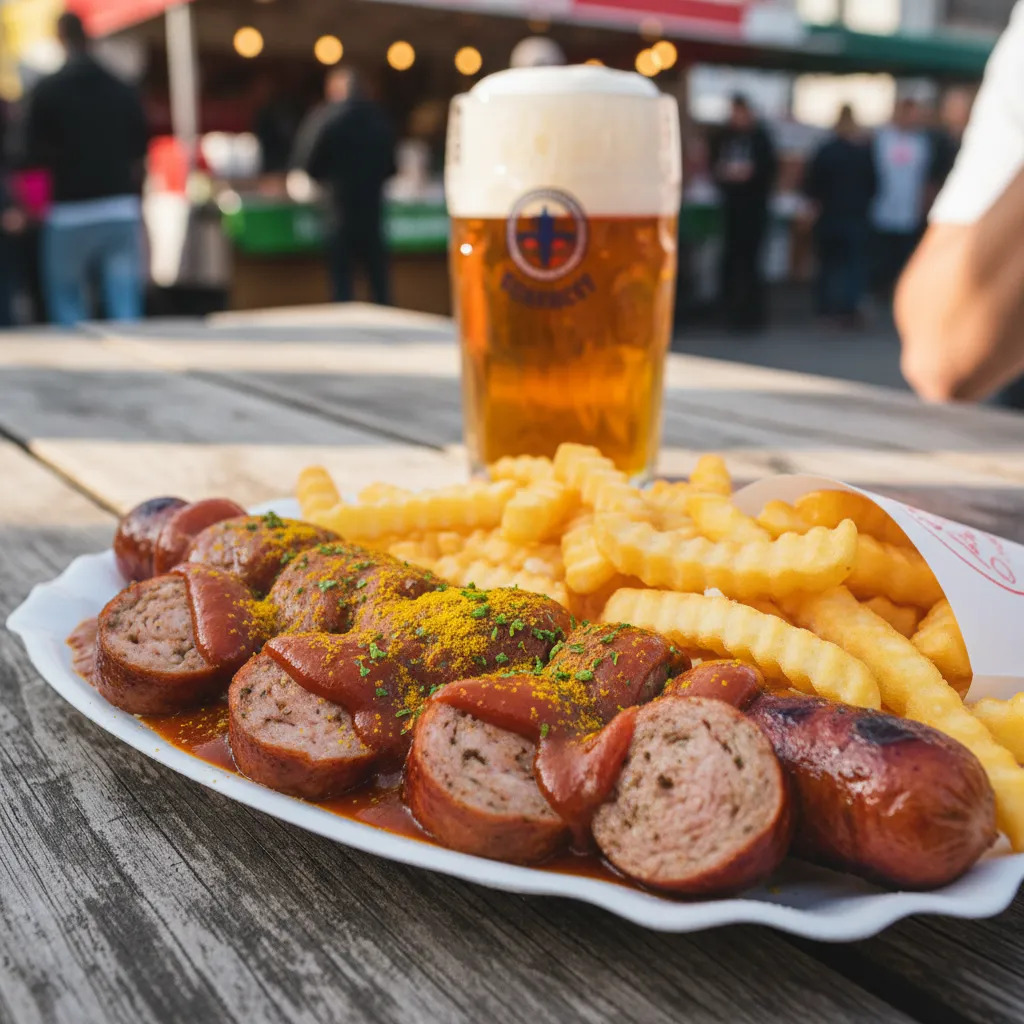
Not all legendary dishes require white tablecloths. Currywurst is the undisputed king of German street food. Invented in Berlin after World War II, it represents the resilience and ingenuity of the city.
The dish consists of a steamed, then fried pork sausage (Bratwurst) sliced into bite-sized chunks. It is drenched in a savory, spiced tomato ketchup and dusted heavily with yellow curry powder. Served alongside crispy French fries or a bread roll, it is the perfect late-night snack.
Where to try it: Street food kiosks (Imbiss) in Berlin are the best spots. Join the queue at popular stands in the Kreuzberg or Mitte districts for an authentic taste of this urban food culture.
7. Moussaka (Greece)
Moussaka is a baked casserole that beautifully showcases the fresh, robust flavors of the Mediterranean. It is a labor of love, requiring multiple steps, but the result is a harmonious blend of textures and tastes.
The dish features distinct layers: thinly sliced eggplant fried in olive oil, a rich minced lamb or beef sauce spiced with cinnamon and tomatoes, and a thick, fluffy topping of creamy béchamel sauce. Baked until golden brown, it is deeply savory and incredibly comforting.
Where to try it: Family-run tavernas in Athens or on the islands of Crete and Santorini serve the best Moussaka. Look for places where the locals congregate for Sunday lunch.
8. Fish and Chips (England)
Fish and Chips is the quintessential British meal, deeply ingrained in the nation’s seaside culture. When prepared correctly, it is a brilliant display of contrasting textures.
The dish features a flaky, white fish (usually cod or haddock) encased in a light, crispy batter—often made with local ale. It is served alongside chunky, double-fried chips. Locals traditionally douse the meal in malt vinegar and a sprinkle of sea salt, often accompanied by a side of mushy peas. Check out the National Federation of Fish Friers for insights into what makes the perfect batter.
Where to try it: For the ultimate experience, visit a traditional “chippy” in a coastal town like Whitby or Cornwall. Eat them out of paper packaging while sitting by the sea.
9. Fondue (Switzerland)
Swiss Fondue is more than just a meal; it is a communal dining event. Born out of the necessity to use hardened cheese and stale bread during the harsh Alpine winters, it is now a celebrated national treasure.
A traditional moitié-moitié (half-and-half) fondue blends Gruyère and Vacherin Fribourgeois cheeses. The cheese is melted with dry white wine, garlic, and a splash of Kirsch (cherry schnapps) in a communal pot called a caquelon. Diners use long forks to dip cubes of bread into the bubbling mixture.
Where to try it: Head to a mountain chalet in Zermatt or Gruyères after a long day of hiking or skiing to enjoy this classic winter comfort food.
10. Francesinha (Portugal)
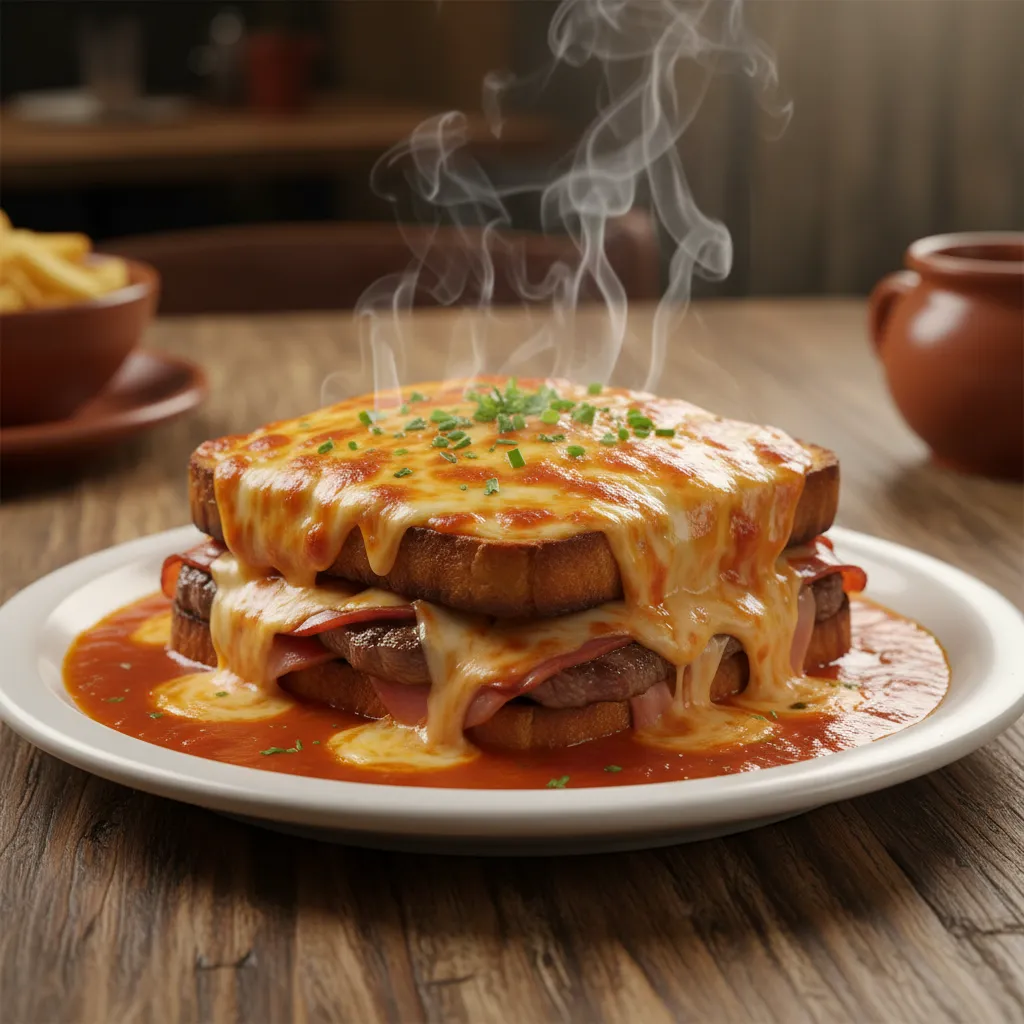
Hailing from Porto, the Francesinha is a monumental sandwich that is not for the faint of heart. Its name translates to “Little Frenchie,” inspired by the French croque-monsieur, but this Portuguese adaptation is much more indulgent.
Thick slices of bread are layered with wet-cured ham, linguica (smoke-cured pork sausage), and steak or roast meat. The entire sandwich is then draped in melted cheese and drowned in a hot, thick, tomato-and-beer sauce. It is almost always topped with a fried egg and surrounded by a moat of French fries.
Where to try it: Traditional cafes and breweries in Porto compete for the title of the best Francesinha. Pair it with a cold local draft beer.
Comparison Table of European Classics
|
Dish Name |
Country |
Key Ingredients |
Flavor Profile |
Best Setting |
|---|---|---|---|---|
|
Paella |
Spain |
Rice, Saffron, Seafood/Meat |
Earthy, Savory, Aromatic |
Coastal Restaurants |
|
Carbonara |
Italy |
Pasta, Guanciale, Eggs, Pecorino |
Rich, Salty, Creamy |
Traditional Trattorias |
|
Pierogi |
Poland |
Dough, Potato, Cheese, Onion |
Comforting, Buttery |
Milk Bars |
|
Goulash |
Hungary |
Beef, Paprika, Potatoes |
Smoky, Hearty, Warm |
Rustic Taverns |
|
Currywurst |
Germany |
Sausage, Curry Ketchup |
Tangy, Spicy, Savory |
Street Food Stands |
Pro Tips for Food-Loving Travelers
To maximize your European food tour, keep these expert insights in mind:
- Follow the locals: If a restaurant is filled with tourists and has a menu translated into ten languages, keep walking. Look for places tucked down side streets where locals are dining.
- Respect regional timing: In Spain, dinner rarely starts before 9:00 PM. In Italy, lunch is strictly between 1:00 PM and 3:00 PM. Adjust your eating schedule to align with local customs.
- Ask for seasonal specialties: European chefs rely heavily on what is currently in season. Always ask the waiter for the dish of the day or seasonal recommendations.
- Embrace street food: Some of the best meals you will ever eat come from market stalls and food carts. They offer a highly authentic taste of the local food culture.
Common Mistakes to Avoid When Dining in Europe
Avoid these culinary faux pas to ensure a smooth dining experience:
- Altering traditional recipes: Avoid asking a Roman waiter to add chicken or cream to your Carbonara. Respect the culinary heritage and try the dish exactly as the chef prepares it.
- Tipping incorrectly: Unlike the United States, waitstaff in many European countries receive a living wage. A service charge is often included in the bill. Rounding up or leaving a 5-10% tip for exceptional service is usually sufficient. Read up on European tipping etiquette to avoid confusion.
- Buying water: In countries like France and Italy, it is perfectly safe and normal to ask for a jug of tap water (carafe d’eau). Do not feel pressured to buy expensive bottled water unless you prefer sparkling.
- Rushing the meal: Dining in Europe is a marathon, not a sprint. Waiters will not bring you the bill until you explicitly ask for it. Take your time, sip your wine, and enjoy the atmosphere.
Conclusion
Embarking on a journey to find the absolute must-try dishes in Europe is a transformative experience for any traveler. Every bite of pasta, every spoonful of stew, and every slice of local cheese tells a profound story of history and heritage. Stop dreaming about these incredible flavors and start planning your itinerary today. Pack your bags, bring a hearty appetite, and prepare to taste the very best this continent has to offer!
Frequently Asked Questions (FAQs)
1. What is the most famous dish to try in Italy?
While pizza is universally loved, Spaghetti Carbonara from Rome and traditional Neapolitan Pizza from Naples are two of the most famous and highly recommended dishes for travelers seeking authentic Italian flavors.
2. Are vegetarian options widely available in traditional European cuisine?
Yes, many countries offer fantastic vegetarian dishes. Spain has Gazpacho, Italy offers endless meat-free pasta dishes like Cacio e Pepe, and Poland serves delicious cheese and potato Pierogi.
3. Is it safe to eat street food in Europe?
Absolutely. Street food in Europe is generally held to strict health and safety standards. From German Currywurst to French Crêpes, street food provides a safe, cheap, and delicious way to sample local flavors.
4. How do I find authentic restaurants while traveling?
Avoid places with staff aggressively trying to pull you inside. Look for menus written in the local language, eateries located away from major monuments, and places packed with local residents.
5. What is the best European country for foodies?
This depends entirely on your palate. Italy and France are globally celebrated for their culinary techniques, while Spain offers an incredible tapas culture. Eastern Europe is perfect if you love hearty, comforting stews and dumplings.
6. Do I need to make reservations for dinner in Europe?
For highly rated or traditional restaurants, especially in major cities like Paris, Rome, or London, making a reservation is highly recommended to avoid disappointment.
7. Why does Paella sometimes take so long to serve?
Authentic Paella is cooked from scratch over an open flame, and the rice needs time to absorb the broth and develop the caramelized socarrat crust. A long wait is usually a sign of high quality.
8. What is the proper way to eat Swiss Fondue?
Spear a cube of bread securely on your fondue fork, dip it into the cheese in a figure-eight motion to keep the cheese mixed, and twirl it to stop drips. Avoid dropping your bread in the pot, as tradition dictates a playful penalty for doing so.
9. Can I ask for substitutions in European restaurants?
It is generally frowned upon to ask for substitutions unless you have a severe allergy. European chefs take immense pride in their recipes and prefer guests to experience the dish as intended.
10. What is the best time of year to take a European food tour?
Autumn is a spectacular time for foodies. The summer crowds have thinned, and you can experience seasonal harvests, including fresh truffles, wild mushrooms, wine grapes, and root vegetables.