This comprehensive guide explores crafting an authentic Christmas Italian dinner menu, from regional antipasti and handmade primi piatti to succulent secondi and festive dolci. Discover expert wine pairings, essential hosting etiquette, and professional culinary tips to elevate your holiday feast.
Traditional Italian Antipasti (Appetizers)
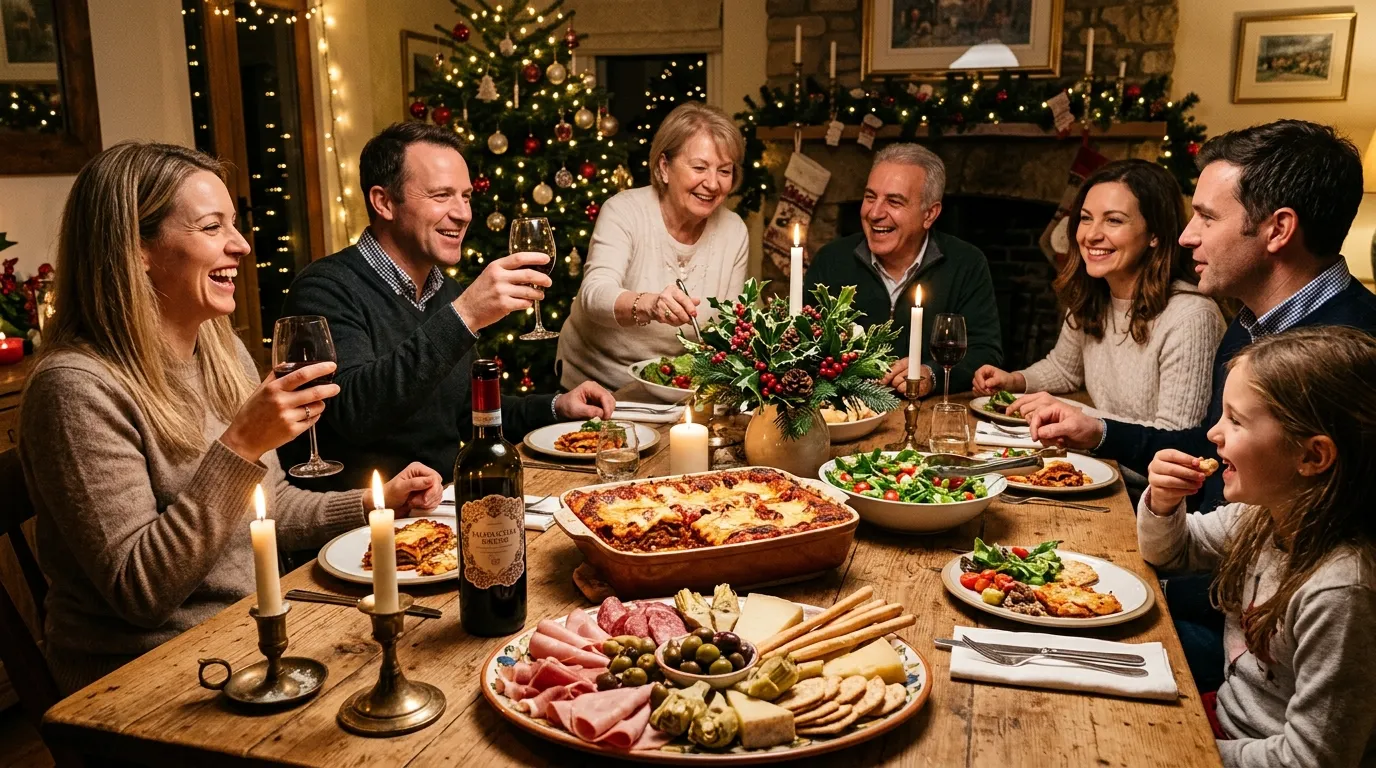
The foundation of any spectacular Christmas Italian dinner menu begins with antipasti. This course is designed to stimulate the appetite without overwhelming the palate. Throughout Italy, regional variations dictate the spread. In the North, you might find cured meats like Prosciutto di Parma paired with aged cheeses, while Southern Italy often leans heavily into seafood, especially if the meal is served on Christmas Eve (La Vigilia).
To build an authentic board, select a variety of textures and temperatures. Incorporate marinated artichokes, mixed olives, and freshly baked focaccia. A classic addition is baccalà mantecato (whipped salt cod) served over toasted polenta squares. According to culinary historians at The Mediterranean Dish, starting with high-quality, cold-pressed olive oil sets the tone for the entire culinary experience.
The First Course (Primi Piatti): Pasta and Risotto Traditions
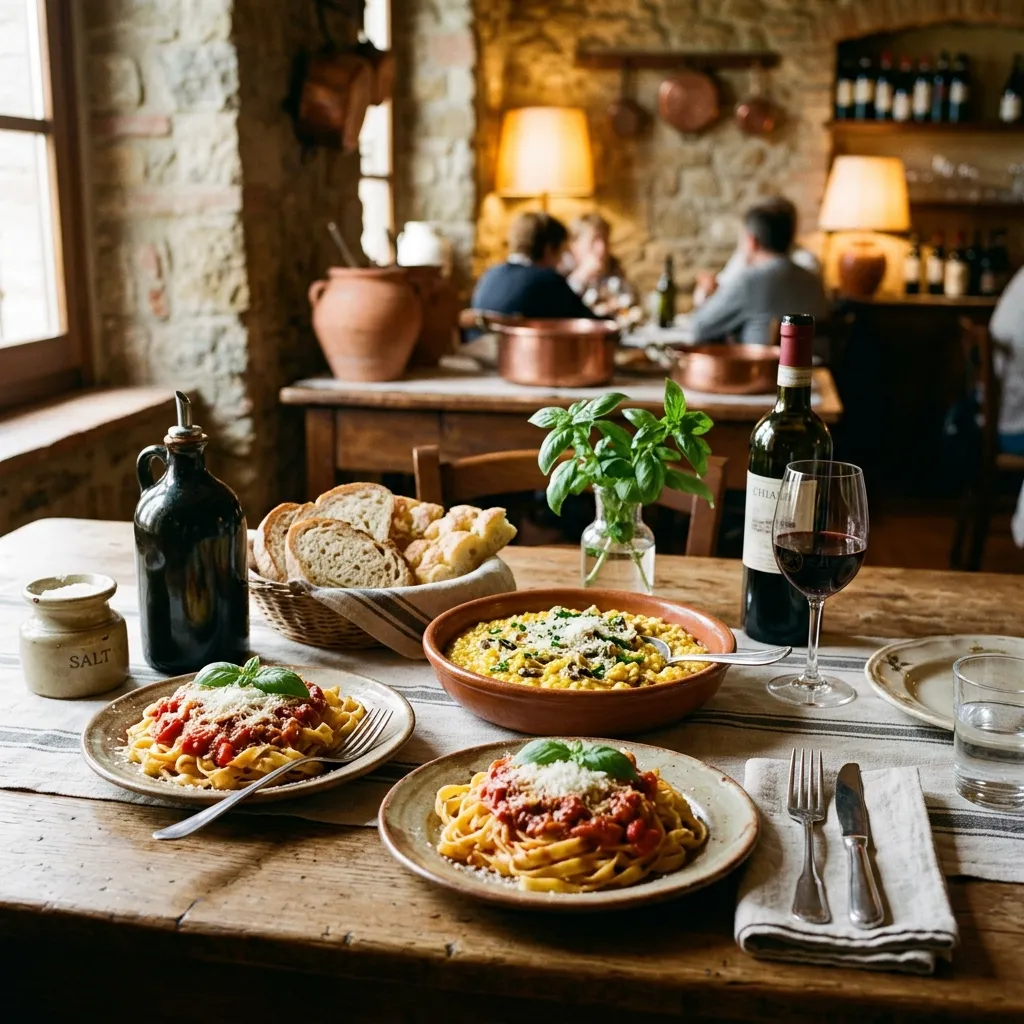
No Christmas Italian dinner menu is complete without the primo piatto. Unlike American customs, where pasta often serves as a side or main dish, traditional Italian dining reserves pasta, risotto, or soup strictly for the first course.
For the holidays, baked pastas such as Lasagne al Forno layered with rich ragù and creamy béchamel are incredibly popular, offering comfort and easy scaling for large crowds. Alternatively, stuffed pastas like Tortellini in Brodo—delicate meat-filled parcels served in a clear, rich capon broth—are a staple in the Emilia-Romagna region. If you prefer rice, a luxurious Risotto alla Milanese, flavored with aromatic saffron and finished with Parmigiano-Reggiano, provides a visually stunning, golden dish that feels incredibly festive.
The Main Event (Secondi): Authentic Italian Meat and Fish Dishes
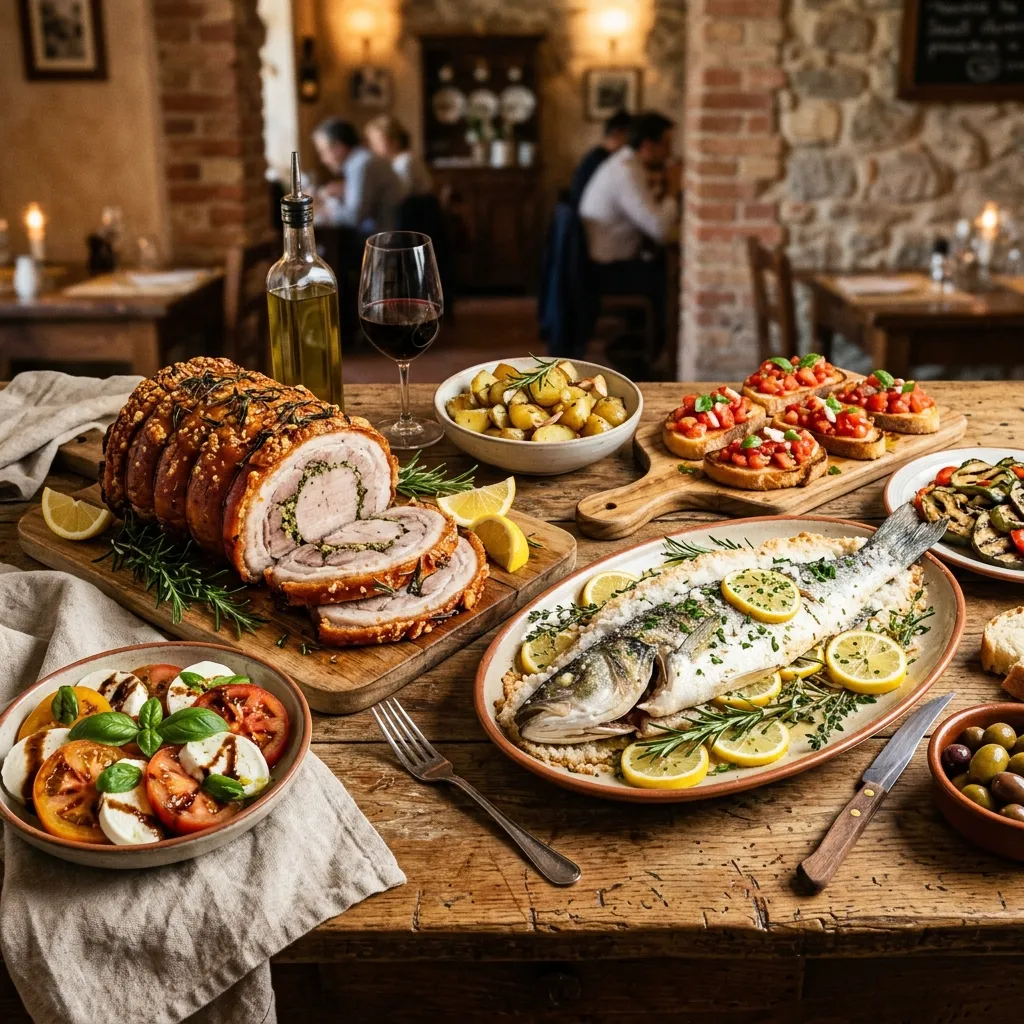
The secondo is the centerpiece of your Christmas Italian dinner menu. Depending on whether you are hosting on Christmas Eve or Christmas Day, the protein shifts dramatically. Christmas Eve calls for the Feast of the Seven Fishes, prioritizing a variety of seafood such as roasted branzino, stuffed calamari, or garlic-infused prawns.
On Christmas Day, the focus shifts to robust, land-based meats. Roast lamb (Agnello al Forno) with rosemary and garlic is a traditional favorite in central and southern regions. In the North, a stuffed veal breast or a rich braised beef dish like Brasato al Barolo takes center stage. To ensure the highest quality results, source your meats from reputable butchers, a practice highly recommended by experts at Serious Eats.
Regional Comparison of Secondi
|
Feature |
Northern Italy |
Southern Italy |
|---|---|---|
|
Primary Focus |
Braised meats, veal, beef |
Seafood, roasted lamb, pork |
|
Cooking Method |
Slow braising in wine, roasting |
Grilling, baking with olive oil |
|
Flavor Profile |
Earthy, rich, butter-forward |
Bright, citrusy, herbaceous |
|
Classic Dish |
Brasato al Barolo |
Agnello al Forno |
Essential Italian Side Dishes (Contorni)
To complement the rich proteins of the secondi, your Christmas Italian dinner menu must include well-thought-out contorni. These side dishes are typically served on separate plates to prevent flavors and sauces from muddying.
Roasted potatoes with rosemary and garlic are universally beloved. For greens, consider sautéed chicory or broccoli rabe infused with chili flakes and garlic. A bright, acidic salad featuring fennel, blood orange, and pomegranate seeds can cleanse the palate between heavy bites. Using seasonal winter produce ensures peak flavor and nutritional value.
The Grand Finale: Traditional Italian Christmas Desserts (Dolci)
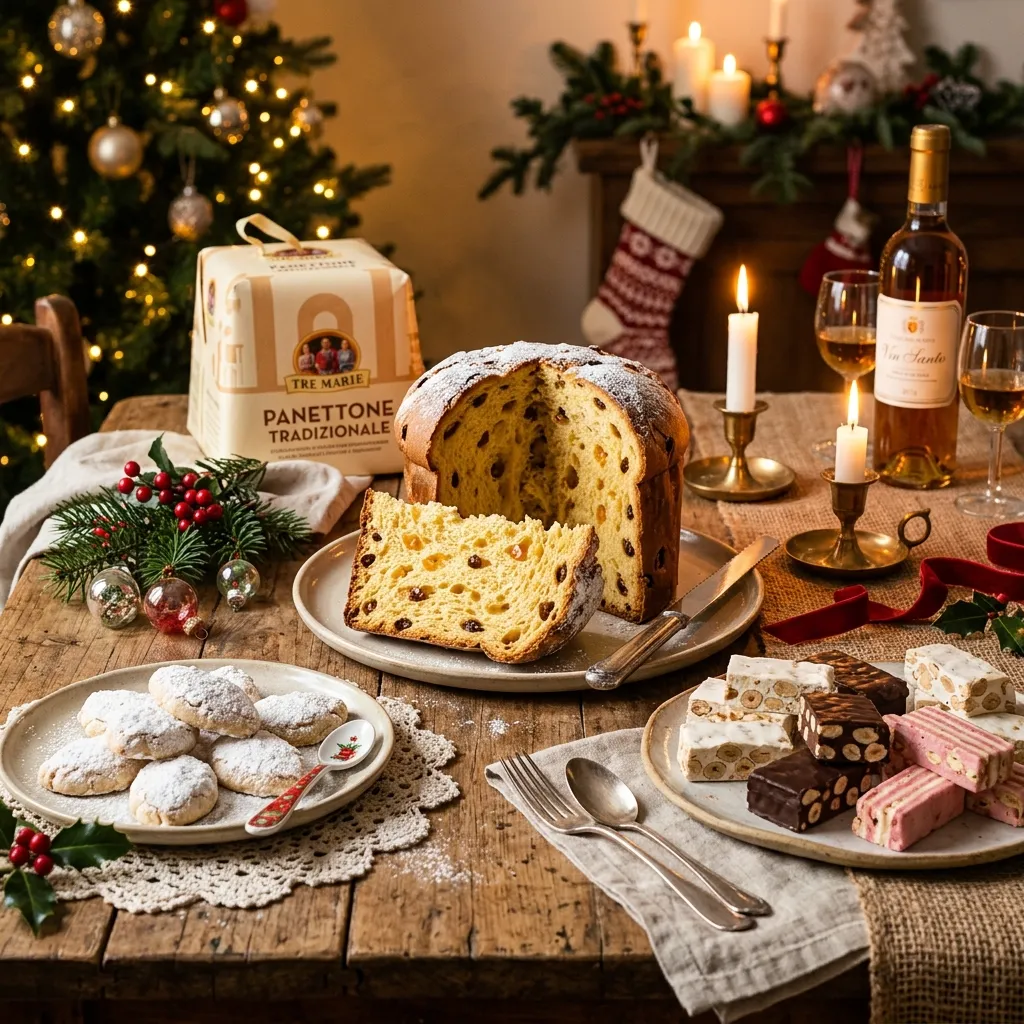
The culmination of your Christmas Italian dinner menu is a spectacular spread of dolci. Italian desserts focus on nuts, dried fruits, and honey during the winter months.
Panettone, a towering, airy sweet bread studded with candied citrus and raisins, is the undisputed king of Italian Christmas treats. For a more decadent touch, serve it alongside a bowl of freshly whipped mascarpone cream. Another staple is Pandoro, a star-shaped golden cake dusted with powdered sugar to resemble the snowy peaks of the Alps. Do not forget regional specialties like Neapolitan Struffoli (fried dough balls coated in honey) or Tuscan Panforte (a dense, chewy fruitcake).
Wine Pairing and Hosting Tips
Pairing the right wine with your Christmas Italian dinner menu elevates the entire dining experience. Start the evening with a celebratory glass of Franciacorta or Prosecco alongside your antipasti. For the primi and secondi, match the weight of the wine to the food. A robust Barolo or Amarone pairs beautifully with red meats, while a crisp Vermentino or Pinot Grigio complements seafood dishes perfectly. As noted by sommeliers at Wine Folly, finishing the meal with a sweet Vin Santo alongside biscotti is a time-honored tradition.
When hosting, embrace the Italian philosophy of sprezzatura—the art of effortless elegance. Prepare as much as possible in advance so you can spend time at the table with your guests rather than sequestered in the kitchen.
Common Mistakes to Avoid
- Serving pasta as a side dish: Pasta should always be its own dedicated course (primo).
- Overcomplicating the ingredients: Italian cooking relies on a few high-quality ingredients. Do not mask flavors with heavy, complicated sauces.
- Rushing the meal: A proper Christmas Italian dinner menu takes hours to consume. Encourage lingering, conversation, and slow pacing.
- Skipping the digestivo: Failing to offer an after-dinner drink like limoncello, amaro, or grappa disrupts the traditional progression of the meal.
- Serving cheese with seafood: Keep Parmigiano away from your delicate fish dishes, as the strong dairy overpowers the fresh maritime flavors.
Pro Tips from Italian Kitchens
- Invest in quality olive oil: Keep one standard olive oil for cooking and a premium extra-virgin olive oil strictly for finishing dishes right before serving.
- Warm your plates: Serve hot courses on pre-warmed plates to keep the food at the optimal temperature during long, conversational dinners.
- Save your pasta water: Always reserve a cup of starchy pasta water to emulsify your sauces, ensuring they cling perfectly to the noodles.
- Prep the antipasti early: Assemble your cured meats, cheeses, and marinated vegetables hours before guests arrive to reduce stress.
- Embrace the imperfect: Authentic Italian cooking is rustic and deeply personal. Focus on flavor and warmth rather than Michelin-level plating perfection.
A Memorable Holiday Feast
Designing a traditional Christmas Italian dinner menu celebrates culinary heritage, family connection, and seasonal flavors. By embracing authentic regional ingredients, preparing courses thoughtfully, and avoiding common hosting pitfalls, your holiday feast will leave a lasting impression. Gather your loved ones, pour the wine, and enjoy this spectacular culinary holiday tradition together.
FAQs
What is traditionally eaten for Christmas dinner in Italy?
A traditional Christmas Italian dinner menu typically involves multiple courses. It starts with antipasti (cured meats, cheeses), moves to a primo (baked pasta or tortellini in broth), followed by a secondo (roasted meat or seafood), accompanied by contorni (vegetables). The meal finishes with dolci like Panettone.
How does Christmas Eve differ from Christmas Day in Italian dining?
Christmas Eve (La Vigilia) traditionally avoids meat, focusing heavily on a grand seafood feast, often known as the Feast of the Seven Fishes. Christmas Day, however, is a lavish celebration that features rich, land-based meats like lamb, veal, or beef.
What is the most famous Italian Christmas dessert?
Panettone is arguably the most famous. It is a sweet, dome-shaped bread originating from Milan, filled with candied fruits and raisins. Pandoro, a star-shaped cake from Verona without fruit, is a close second.
Can I prepare a Christmas Italian dinner menu in advance?
Yes. Many elements of the menu, such as ragù, broths, and certain baked pastas like lasagne, taste better when made a day in advance. Antipasti can be prepped early, allowing the host to relax.
What wines should I serve with an Italian Christmas dinner?
Start with a sparkling wine like Prosecco. For seafood or light pastas, offer a crisp white like Gavi or Vermentino. For rich, red meat secondi, serve a bold red like Chianti Classico, Barolo, or Brunello di Montalcino.
What is a digestivo and why is it important?
A digestivo is an alcoholic beverage served after a large meal to aid digestion. Common options include Amaro, Limoncello, or Grappa. It is a crucial element of the Christmas Italian dinner menu to help settle the stomach after multiple heavy courses.
How long should an Italian Christmas dinner last?
An authentic Italian holiday meal is an event, often lasting anywhere from three to five hours. The focus is on pacing, conversation, and enjoying each course slowly with family and friends.
What are some vegetarian options for a Christmas Italian dinner menu?
Italian cuisine is highly adaptable for vegetarians. You can serve Eggplant Parmigiana, mushroom risotto, or pumpkin ravioli with sage butter. Many classic antipasti and contorni are naturally vegetarian.
Is garlic bread served at traditional Italian holiday dinners?
No. While garlic bread is popular in Italian-American cuisine, a traditional Christmas Italian dinner menu in Italy will feature rustic, crusty bread or focaccia, meant to mop up sauces (a practice called fare la scarpetta).
How do I structure the courses for a large group?
Keep it manageable by serving family-style. Place large platters of antipasti on the table. For the primo, a large baked pasta is easier to serve to a crowd than individual risottos. Serve the roasted meats and sides on large communal platters to encourage sharing.