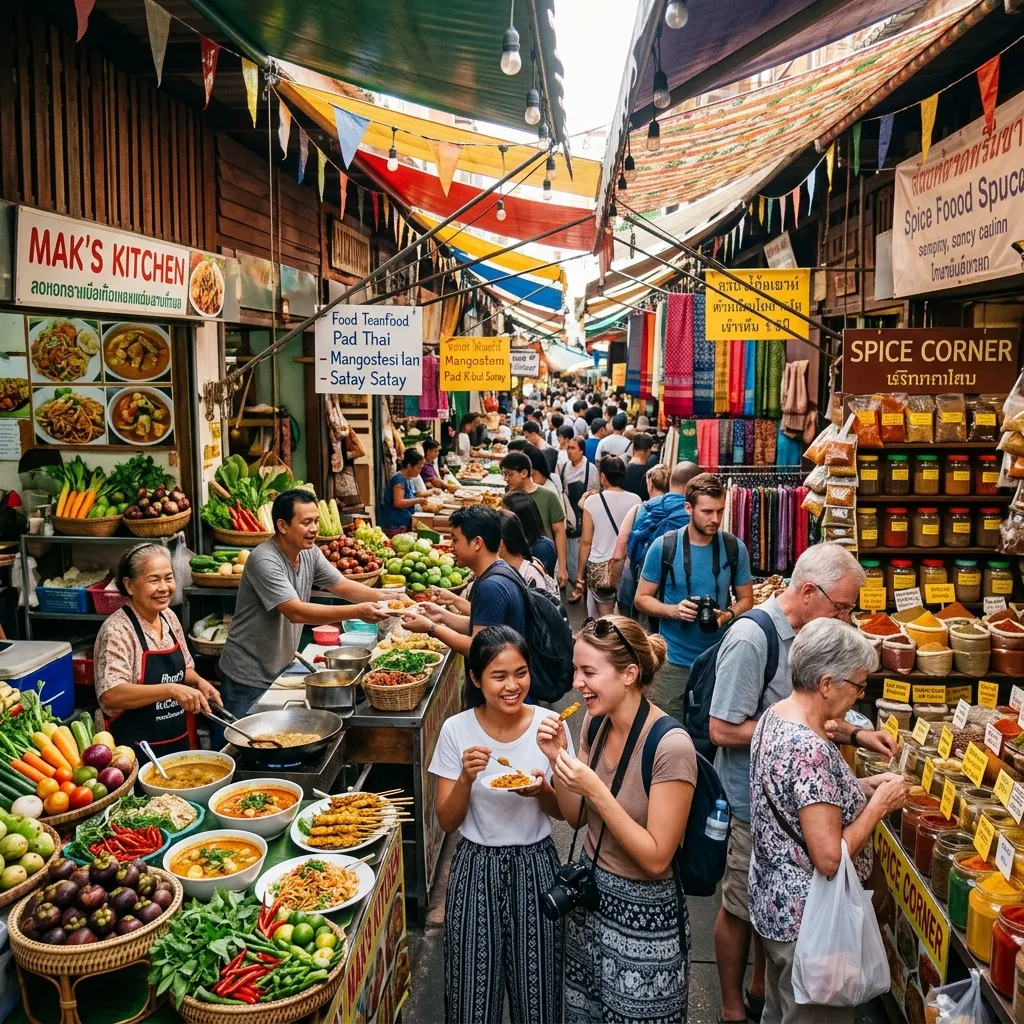
Why Seeking Authentic Local Food Transforms Your Travel Experience
Food is the universal language of culture. When you eat authentic local food, you support the local economy and gain insight into the region’s history, traditions, and daily life. Eating locally grown or historically rooted dishes means you consume fresher, more flavorful ingredients. Relying on mass-produced tourist meals strips away the magic of travel. Instead, finding authentic local food connects you with the heartbeat of a city.
By prioritizing these genuine culinary experiences, you actively participate in sustainable travel. You direct your money toward small, family-owned businesses rather than multinational chains. You also get to taste regional delicacies that rarely make it onto international menus.
Pre-Trip Research: Preparing to Find Authentic Local Food

Your journey to find authentic local food starts before you even pack your bags. A little digital sleuthing goes a long way.
Tapping into Digital Resources
Do not rely solely on major review platforms, as they often highlight restaurants heavily frequented by tourists. Instead, look for regional food blogs, specialized culinary magazines, and local influencers.
Using resources like LocalHarvest can help you locate farmers’ markets and community-supported agriculture options if you are traveling domestically. For international trips, search for local language food blogs using translation tools.
Engaging with Food Communities
Join community boards and forums. Travel groups on social media platforms often feature threads dedicated to authentic local food. Ask specific questions like, “Where do locals eat Sunday dinner?” rather than “What is the best restaurant?” This prompts residents to share their personal favorites.
Boots on the Ground: How to Spot Authentic Local Food in Any City
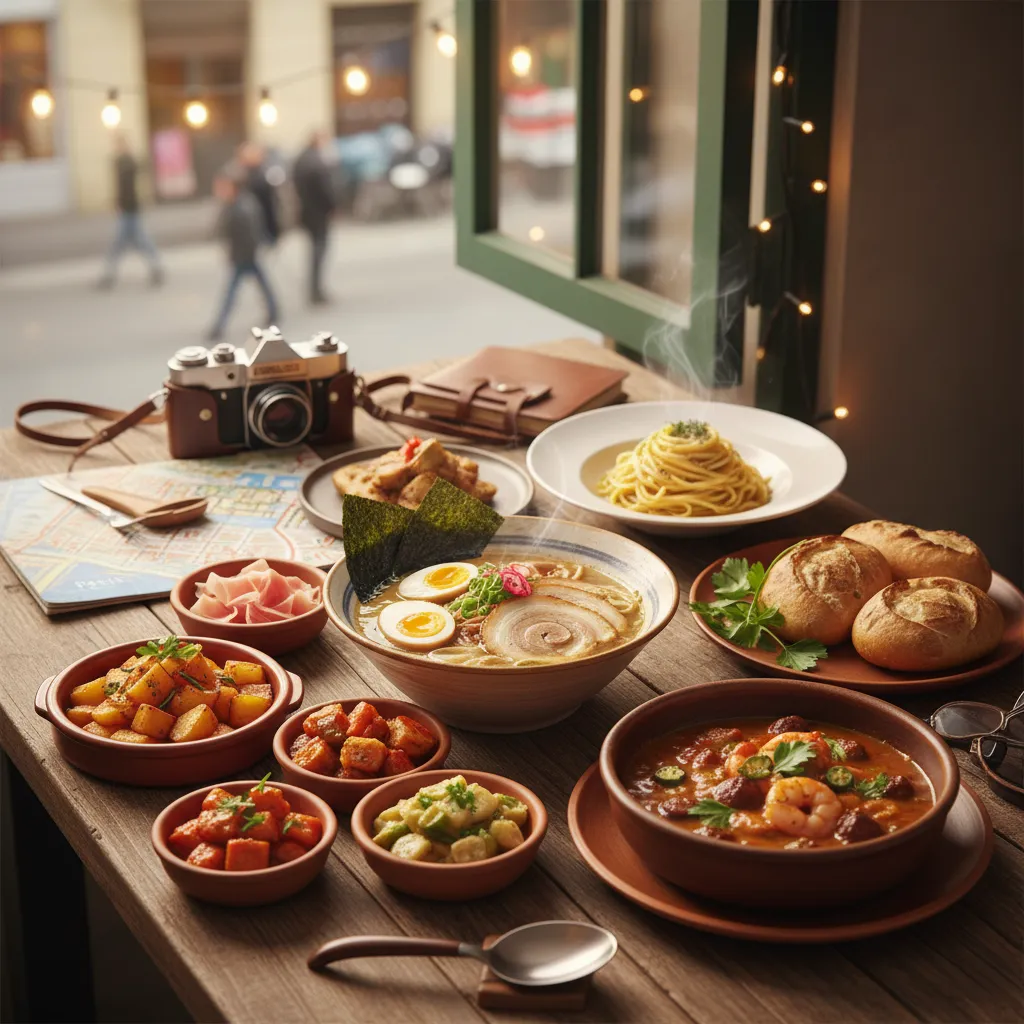
Once you arrive at your destination, keep your eyes open. The best places are rarely the flashiest.
Observe the Crowd
The golden rule for finding authentic local food is to look at the diners. Are they speaking the local language? Are there families dining together? If the restaurant is filled with people who live in the neighborhood, you have found a winner. A long line of residents during peak dining hours is a massive indicator of quality.
Decoding the Menu
A menu tells you everything you need to know about an establishment.
- Limited Options: A small menu usually means the kitchen focuses on a few regional specialties, cooking them to perfection.
- Seasonal Ingredients: Authentic local food relies heavily on what is currently in season.
- Language: If the menu is translated into ten different languages and features bright pictures of the food, it is likely catering to tourists.
- No “Tourist Menus”: Establishments offering a “tourist menu” or “traveler’s special” are rarely serving the real deal.
Expert Insights: Where Authentic Local Food Hides
To find the best regional flavors, you need to know where to look. Culinary tourism is about exploration.
Neighborhood Markets and Farmers Markets
Markets are the epicenter of authentic local food. Vendors sell fresh produce, regional cheeses, baked goods, and often serve ready-to-eat meals. If you are in the United States, utilizing platforms like Eatwild can help you source farm-to-table ingredients directly. Visiting a local market allows you to see exactly what ingredients make up the local diet.
Street Food and Modest Eateries
Do not be afraid of modest setups. Street food vendors specialize in one or two items, perfecting their craft over generations. Ensure you practice basic food safety by choosing vendors with high turnover rates and food cooked fresh to order. Some of the world’s most renowned culinary experiences happen on a street corner, not in a fine dining room. Check the Michelin Guide for their Bib Gourmand list, which often features exceptional, affordable local food.
Common Mistakes to Avoid When Searching for Authentic Local Food
Even seasoned travelers make mistakes. Avoid these pitfalls:
- Eating Right Next to Major Landmarks: Restaurants adjacent to famous monuments pay premium rent and rely on foot traffic, not repeat local customers.
- Trusting Aggressive Touts: If someone is standing outside begging you to come in, keep walking. Great restaurants do not need to pull people off the street.
- Ignoring Regional Dining Times: If locals eat dinner at 9 PM, do not expect a vibrant, authentic experience at 6 PM.
- Fearing the Language Barrier: Refusing to eat somewhere just because you cannot read the menu prevents you from experiencing true, authentic local food. Point, smile, and use translation apps.
Comparison: Authentic Local Food Spots vs. Tourist Traps
|
Feature |
Authentic Local Food Spots |
Tourist Traps |
|---|---|---|
|
Location |
Hidden alleys, residential neighborhoods |
Main squares, next to major attractions |
|
Menu Size |
Small, focused, seasonal |
Massive, multi-page, features global dishes |
|
Clientele |
Locals speaking the regional language |
Almost entirely tourists |
|
Pricing |
Fair, reflects local economic standards |
Overpriced, often includes hidden service fees |
|
Greeting |
Modest welcome, busy staff |
Aggressive promoters outside the door |
Pro Tips for Experiencing Authentic Local Food
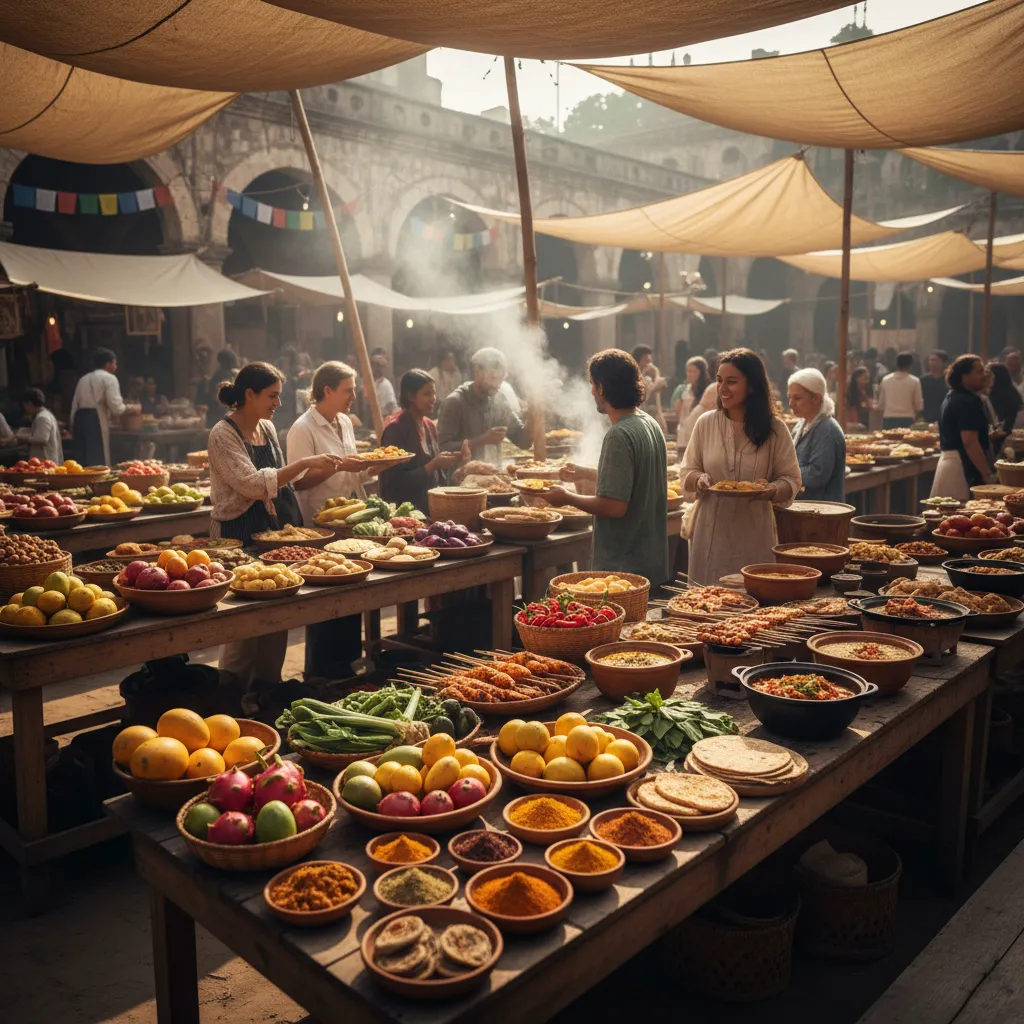
To elevate your culinary journey, keep these pro tips in mind:
- Ask the Right People: Hotel concierges often send guests to safe, tourist-friendly spots. Instead, ask a local shop owner, a bartender, or a taxi driver where they go for lunch.
- Take a Food Tour Early: Book a local food tour on your first day. Local guides will point out hidden spots and teach you what to look for, setting you up for success for the rest of your trip.
- Embrace Ugly Delicious: The most authentic local food is not always plated for social media. Focus on the flavor, not the presentation.
- Learn Basic Food Vocabulary: Knowing the regional words for beef, chicken, fish, spicy, and allergy-related terms will help you navigate non-English menus confidently.
By integrating these strategies into your travel routine, finding authentic local food becomes second nature, transforming every meal into a memorable adventure.
Conclusion
Discovering authentic local food elevates your travels, connecting you directly with the heart of a culture. By avoiding tourist traps, observing where residents dine, and exploring neighborhood markets, you guarantee a memorable culinary experience. Start planning your next flavorful adventure today and taste the world like a true local!
Frequently Asked Questions
What is the definition of authentic local food?
Authentic local food refers to dishes prepared using traditional methods, regional recipes, and locally sourced ingredients that reflect the true culinary culture of a specific area.
How can I avoid getting sick when eating street food?
Look for vendors with long lines of locals, ensuring high food turnover. Choose food that is cooked hot right in front of you, and trust your instincts regarding cleanliness.
Why are restaurants near tourist attractions usually worse?
These restaurants rely on one-time foot traffic rather than repeat local customers. Consequently, they often prioritize high profit margins over food quality and authenticity.
How do I ask locals for food recommendations?
Skip the concierge. Ask shopkeepers, baristas, or taxi drivers a specific question: “Where do you and your family go for a great meal on your day off?”
Is it safe to use translation apps for menus?
Yes, using translation apps is highly recommended. It allows you to dine in entirely local establishments without needing an English menu, which is a strong indicator of an authentic spot.
What if I have dietary restrictions while looking for authentic local food?
Learn the exact phrases for your dietary needs in the local language. Research regional dishes beforehand to understand which ones naturally fit your restrictions.
Are review sites like Yelp or TripAdvisor reliable for finding local food?
They can be, but you must read them critically. Filter reviews by the local language to see what residents think, rather than relying on tourist reviews, which may skew toward familiar, safe options.
Why is a smaller menu a good sign?
A smaller menu indicates that the kitchen focuses on perfecting a few traditional dishes using fresh, daily ingredients, rather than relying on frozen, pre-prepared items for a massive menu.
Can I find authentic local food in a grocery store?
Absolutely. Local grocery stores and neighborhood markets are excellent places to find authentic snacks, regional cheeses, baked goods, and condiments that locals consume daily.
Is authentic local food always more expensive?
No, it is usually much cheaper. Authentic establishments cater to the local economy, avoiding the inflated “tourist tax” found at restaurants situated in major tourist hubs.