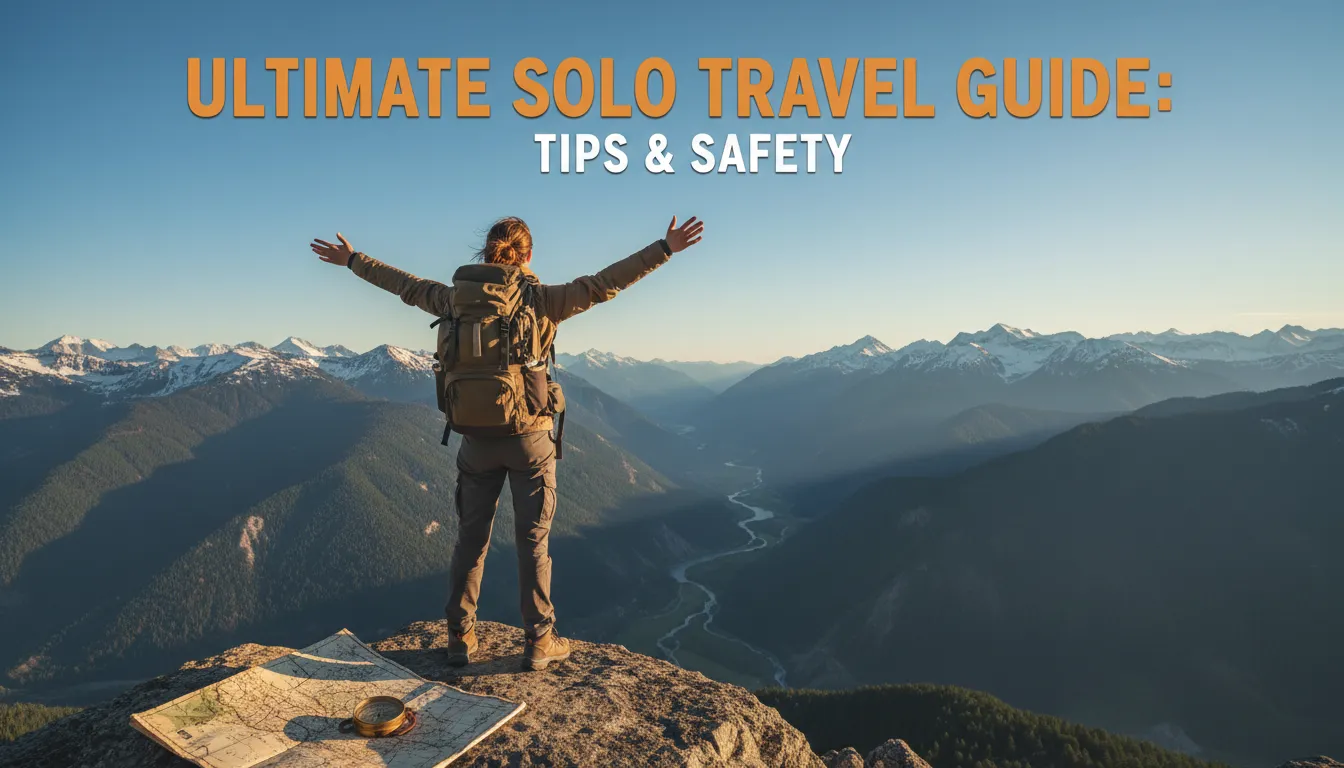
Solo travel means exploring destinations alone, offering freedom, flexibility, and personal growth. It builds confidence, encourages cultural immersion, and allows travelers to create unique, meaningful experiences at their own pace.
In today’s fast-paced world, more people are seeking enriching experiences beyond the conventional group tour or typical holiday package. Solo travel has emerged as a powerful avenue for self-discovery and personal transformation. This year, advancements in mobile technology, comprehensive safety tools, and innovative platforms make it simpler than ever to plan an independent journey. Whether you’re preparing for your first solo adventure or you’ve already logged dozens of miles under your belt, this guide will offer actionable insights tailored to solo explorers. We will explore essential planning strategies, budget-friendly methods, vital safety measures, smart packing guidelines, connectivity solutions, and ways to forge meaningful connections with communities around the globe.
From bustling metropolises to secluded nature retreats, traveling alone unlocks a world of possibilities that cater exclusively to your interests. In today’s digital landscape, resources such as interactive maps, travel advisories, and local forums empower you to build a custom itinerary that balances iconic attractions with spontaneous detours. By the end of this article, you will feel equipped to organize every phase of your trip—from pre-departure preparations to on-the-ground adventures—with confidence and clarity. Let’s embark on the path toward a memorable, secure, and transformative solo travel journey.
The Transformative Power of Independent Exploration
Embarking on a solitary adventure can profoundly reshape your outlook, enhance your decision-making skills, and foster resilience. When you travel alone, every choice—from selecting the next destination to ordering dinner—reflects your personal desires and priorities. This level of autonomy cultivates self-awareness and flexibility, qualities that extend beyond the journey itself. Current research from various educational institutions highlights how solo travel can increase problem-solving abilities and adaptability under pressure.
Without the need for group consensus, you have the freedom to adjust plans at a moment’s notice. Maybe you’ll linger in a scenic mountain village after befriending a local guide, or divert to a hidden coastal inlet discovered through an online forum. In today’s digital landscape, mobile applications and travel communities connect solo adventurers with like-minded individuals, making it easy to join day trips or cultural events on the fly. This year, platforms such as Meetup and Couchsurfing have integrated tailored features for solo travel enthusiasts, offering group activities and host recommendations specifically for individuals exploring alone.
Furthermore, solo travel fuels self-confidence by empowering you to navigate unfamiliar settings—mastering public transit systems, negotiating prices at local markets, and interpreting foreign signage. As you overcome each challenge, you build mental fortitude and a sense of achievement that translates into your professional and personal life. Embracing solitude on the road also encourages mindfulness: you’ll engage more deeply with your surroundings, savoring every detail without distraction. With these benefits in mind, let’s examine foundational planning steps to ensure your independent journey unfolds smoothly.
Strategic Preparation for a Seamless Journey
Effective planning lays the groundwork for a stress-free solo trip. Begin by defining your objectives: Are you aiming to immerse yourself in art history, trek through natural landscapes, or simply disconnect from daily routines? Clarifying your goals helps narrow down destinations that align with your interests and travel style. Next, research entry requirements—such as visa regulations, vaccination mandates, and local customs—to prevent last-minute complications. Government portals like the U.S. Department of State’s travel advisories offer up-to-date information on safety alerts, health concerns, and recommended precautions.
After settling on your location, craft a flexible itinerary that balances structured activities with free time. Reserve primary accommodations for the first few nights to ease your arrival, then leave room for spontaneous detours based on local insights. Use mapping tools and travel blogs to identify must-see landmarks as well as off-the-beaten-path gems. Forums such as those hosted by the Lonely Planet community provide firsthand advice from seasoned solo travelers.
Budget Planning and Money Management
Establishing a realistic budget is crucial when you’re covering costs solo. Estimate expenses across categories such as lodging, meals, transportation, activities, and incidentals. Solo explorers may sometimes pay higher rates for single rooms, but can recoup savings through shared accommodations like hostels or house shares. Flight comparison websites help uncover promotional fares, while flexible departure dates often lead to lower prices.
Consider using a digital budgeting tool to track daily spending in real time. Allocate an emergency fund—ideally the equivalent of three to five days’ expenses—on a separate payment card or in local currency. To manage currency fluctuations, explore prepaid travel cards or consult the guidelines on the Centers for Disease Control and Prevention’s site on financial safety abroad. Cooking some meals or sampling street food also helps stretch your budget without sacrificing authentic experiences.
Prioritizing Safety and Well-Being
Keeping safety at the forefront is imperative when exploring on your own. Start by choosing lodgings with strong security measures—24/7 reception desks, secure entry systems, and positive reviews regarding neighborhood safety. Travel insurance is non-negotiable; select a policy that covers medical emergencies, trip interruption, and theft or damage of personal belongings.
Digital tools can bolster your peace of mind. Activate real-time location sharing with a trusted contact and download offline map packages to maintain navigation even in areas with limited connectivity. Utilize reputable ride-hailing services rather than unregistered taxis, and avoid flaunting expensive electronics in public spaces. Remain vigilant in crowded markets and transport hubs, where pickpocketing risks are elevated.
Health Precautions and Emergencies
A proactive approach to health safeguards your well-being on the road. Research recommended vaccinations and region-specific health advisories via reputable sources like the World Health Organization (WHO) or national public health agencies. Pack a compact medical kit containing essentials such as antiseptics, pain relievers, electrolyte tablets, and any personal prescriptions in original packaging.
Maintain hydration, especially in warmer climates, and practice food safety by choosing vendors with visible cleanliness standards. Establish a basic fitness routine—morning yoga sessions or brisk walks in local parks—to boost circulation and alleviate travel fatigue. Should you encounter health issues, locate nearby medical centers upon arrival by consulting embassy resources or online directories.
Optimizing Gear and Digital Connectivity
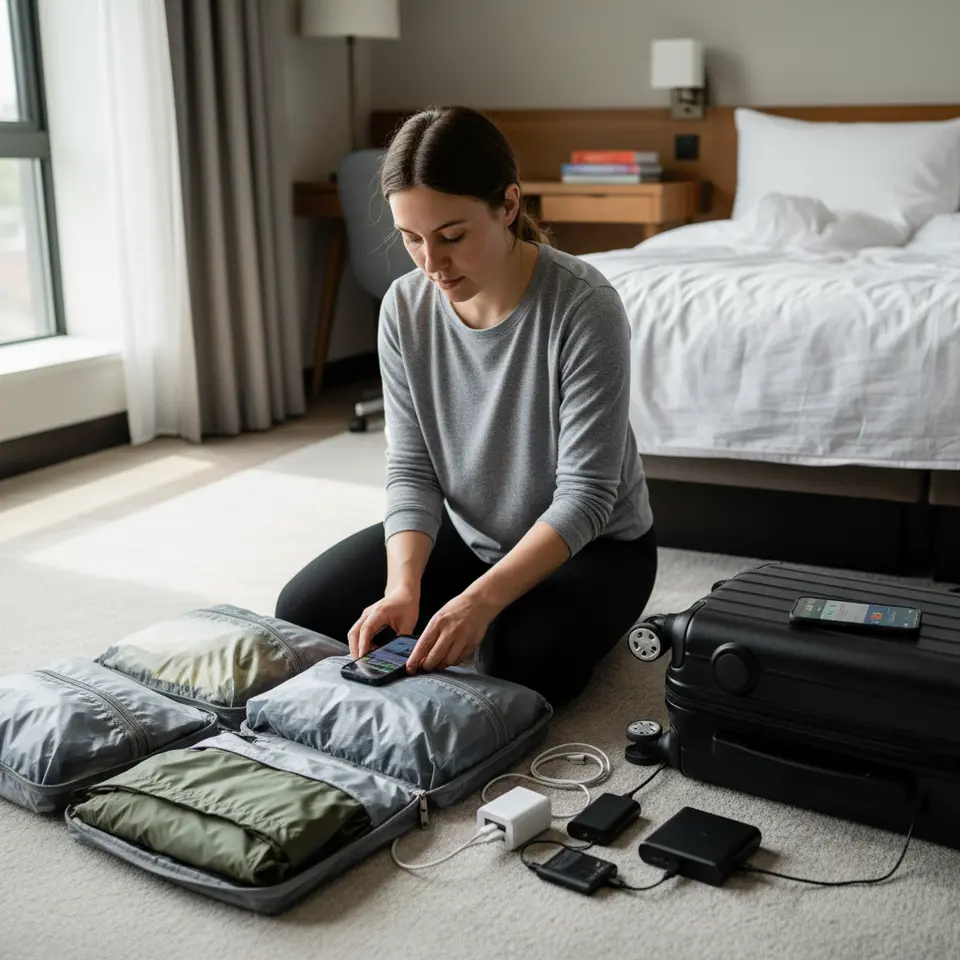
Packing thoughtfully streamlines your journey and reduces physical strain. Adopt a minimalist mindset: select versatile clothing items in neutral palettes that can be layered for varying weather. Packing cubes or compression sacks help organize garments and maximize luggage space. Never overlook essential accessories such as a compact rain poncho, a lightweight fleece, and a multiport USB charger.
Technology Essentials
Reliable connectivity enhances both safety and convenience. This year, eSIM services and global roaming plans allow solo travelers to stay online without swapping physical SIM cards. Preload key apps—currency converters, language translators, offline navigation, and emergency helplines—before departure. Utilize a virtual private network (VPN) when accessing public Wi-Fi networks to safeguard sensitive data.
Smart luggage with integrated GPS tracking offers an extra layer of security for checked bags. For power backup, carry a high-capacity portable battery and a universal travel adapter. Don’t forget to store digital copies of critical documents—passport, travel insurance, and itinerary—in encrypted cloud storage or secure note applications.
Immersive Cultural Engagement and Community Building

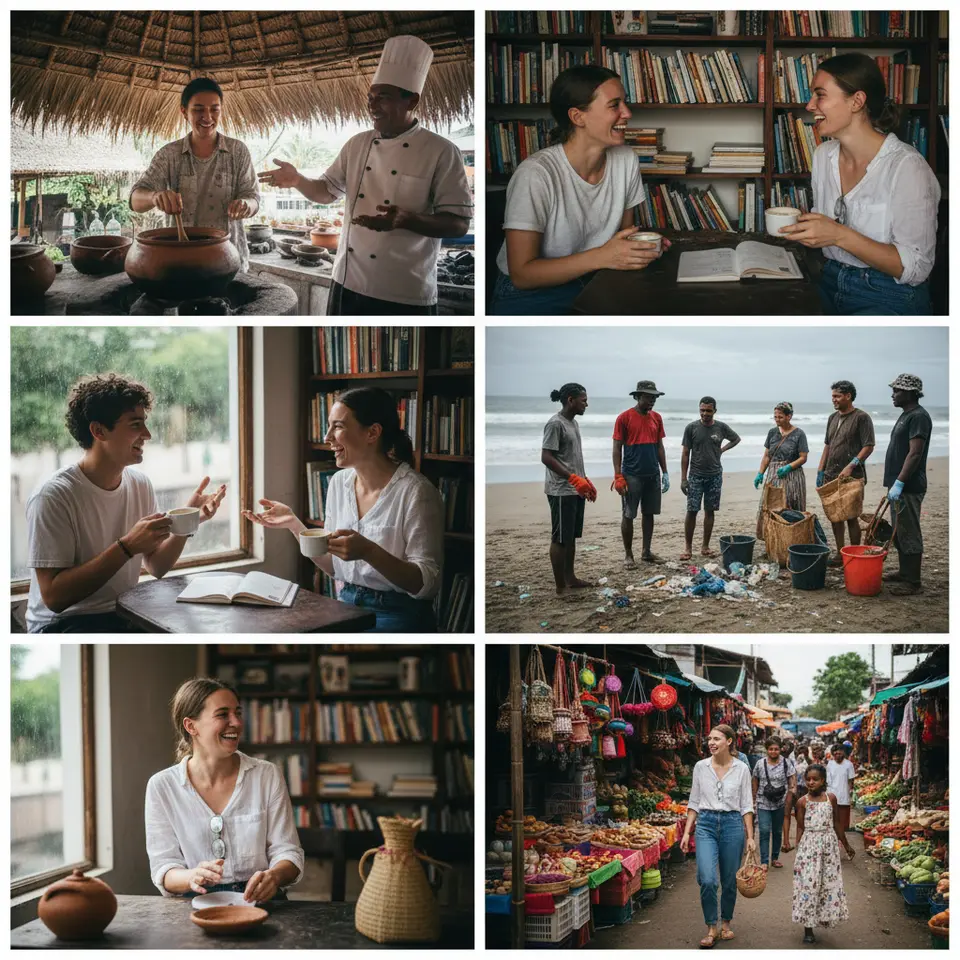
One of the greatest rewards of solo travel lies in authentic cultural exchange. Seek out locally hosted workshops—such as traditional cooking classes, artisan craft demonstrations, or dance performances—to engage with community members and gain insider perspectives. Volunteering on environmental or social initiatives can deepen your connection to a destination while contributing positively to local projects.
Language exchange meetups and conversation cafés offer casual settings to practice basic phrases, fostering goodwill and mutual respect. Explore online platforms dedicated to cultural immersion, which pair solo travelers with experienced local guides. For extended stays, consider co-living spaces or creative residencies that blend work, leisure, and communal activities—an ideal setup for digital nomads seeking both productivity and social interaction.
Embrace curiosity and adaptability when interacting with new acquaintances. Always ask permission before photographing individuals, religious ceremonies, or sacred sites, and remain sensitive to local customs. By showing respect and genuine interest, you’ll cultivate meaningful relationships and perhaps gain connections that last far beyond your itinerary.
Conclusion
Today, independent exploration continues to captivate adventurers seeking personal growth, cultural immersion, and memorable stories. By following strategic planning methods, managing a tailored budget, prioritizing safety and health, wisely selecting gear, and embracing authentic local engagement, you’ll create a transformative journey that resonates long after your return. Solo travel empowers you to step outside familiar boundaries, discover hidden gems, and build essential life skills. In today’s interconnected world, the resources available this year make it easier than ever to navigate unfamiliar terrain with confidence. Your solo expedition awaits—pack your bags, set your intentions, and embark on the adventure of a lifetime. Safe travels!