
As borders open and global connectivity expands, travelers demand solutions that reduce friction and elevate their experiences. In response, the latest gadgetry and intelligent systems—from self-charging suitcases to drone-delivered essentials—address every stage of a journey. Beyond convenience, these travel tech innovations prioritize sustainability, data privacy, and accessibility, reflecting a broader shift toward responsible exploration.
In this comprehensive guide, we showcase ten groundbreaking technologies grouped into five in-depth sections. You’ll discover how smart luggage tracks itself via satellite, why AI-driven trip planners can anticipate your wishes, and how wearable health monitors guard your well-being on remote trails. We’ll also dive into augmented reality headsets, hyperloop integrations, solar-powered charging gear, and more.
Whether you’re departing today or planning months in advance, embracing these travel tech innovations will transform your next adventure into a seamless, unforgettable experience. Let’s begin our journey into the future of travel.
Smart Luggage and AI-Powered Trip Planners
Smart Luggage with GPS Tracking and Wireless Charging
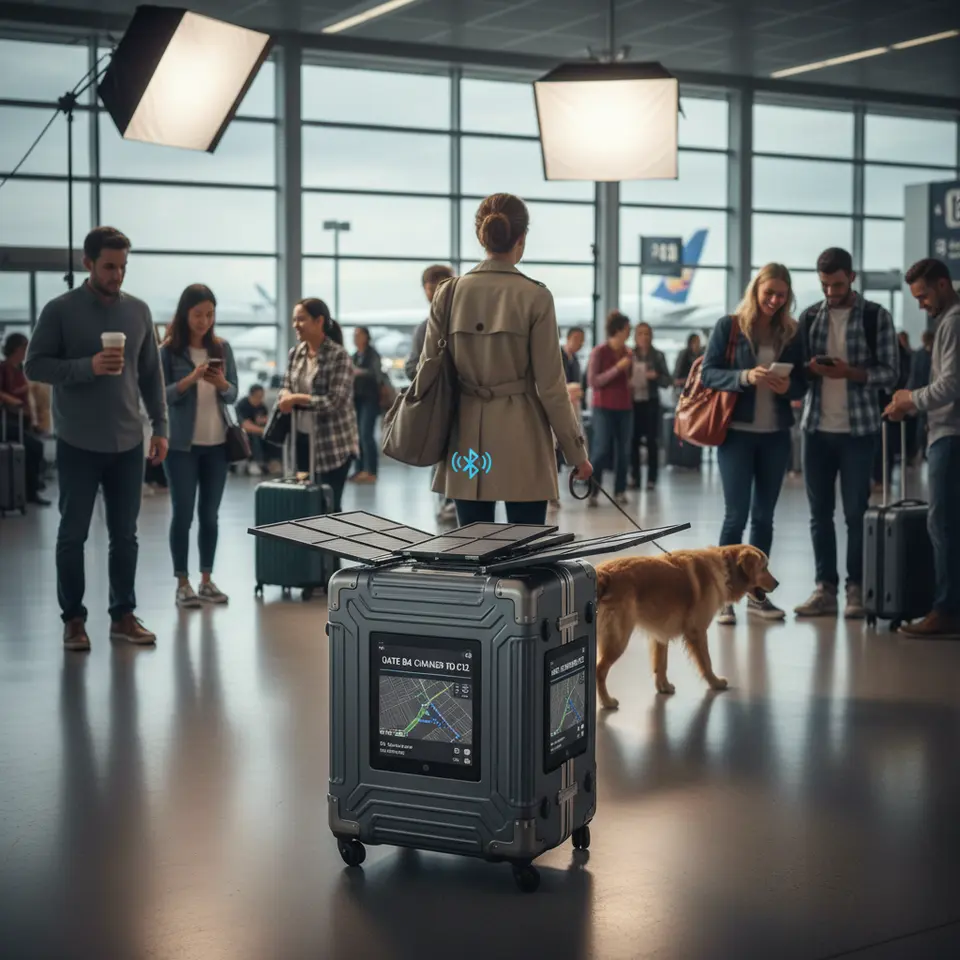
Imagine a suitcase that follows you through congested airports, displays gate changes on an onboard touchscreen, and wirelessly powers your devices—all while monitoring its own weight. In today’s era of travel tech innovations, these intelligent carriers are equipped with satellite-enabled GPS, Bluetooth connectivity, and solar panels that harvest ambient light to recharge internal batteries. If your luggage strays beyond a preset perimeter, you receive instant alerts on your smartphone, complete with precise map coordinates for quick recovery.
Advanced models leverage machine learning algorithms to optimize their route in real time, avoiding crowds at security checkpoints or busy baggage carousels. Some integrate seamlessly with airport information systems, expediting check-in and retrieval processes. This year, smart luggage blends durability with sleek design, featuring impact-resistant polycarbonate shells and anti-theft zippers. By reducing the stress of manual handling and lost baggage claims, these carry-ons let you focus on the joy of exploration.
AI-Powered Trip Planners and Personal Assistants
Planning an itinerary involves juggling flights, accommodations, transfers, dietary preferences, and local events. Thanks to travel tech innovations driven by artificial intelligence, you can now automate this complex process. Cutting-edge platforms analyze your past trips, budget constraints, and personal interests to deliver bespoke travel plans in minutes. They pull data from millions of sources—hotel reviews, weather forecasts, public transit schedules, and attraction ticket availability—to craft optimized routes and timings.
Voice-activated chatbots operate as 24/7 concierge services, adjusting your schedule on the fly when delays or cancellations occur. Secure blockchain-based payment gateways enable bookings without exposing sensitive financial details. Predictive analytics ensures you visit trending hotspots before they’re overcrowded, while dynamic pricing alerts help you snag last-minute deals. As these tools mature, they empower travelers to explore with confidence, knowing their journey is curated down to the smallest detail.
Portable AI Translation Devices and Virtual Reality Previews
Portable AI Translation Devices
Language barriers can hinder authentic connections, but handheld translation gadgets are closing the gap. In, the latest portable AI translation devices support dozens of languages and dialects, capturing regional slang, tonal nuances, and idiomatic expressions. Equipped with noise-cancelling microphones and OLED touchscreens, they function both online and offline via pre-downloaded language packs—crucial for journeys to remote areas without reliable connectivity.
Behind the scenes, neural network models continuously learn from global speech patterns, ensuring real-time, context-aware interpretations. Business travelers benefit from specialized modules for medical, legal, or technical terminology, reducing miscommunication in critical scenarios. By integrating seamlessly with wearables and smartphones, these devices embody the spirit of current travel tech innovations, fostering genuine human interactions across language divides.
Virtual Reality Destination Previews
Virtual reality has transcended gaming to become a vital tool for pre-trip planning. Today’s VR destination previews offer high-fidelity, 360° walkthroughs of hotels, museums, hiking trails, and cityscapes. Professional capture teams update these immersive environments in real time, reflecting seasonal changes, crowd densities, and new attractions. Before booking a villa in Tuscany or a safari lodge in Kenya, slip on a VR headset at home and explore every corridor, vista point, and shoreline.
Travel agents and platforms leverage these immersive tours to boost engagement and conversion rates. According to research from the Massachusetts Institute of Technology, immersive technologies can increase traveler confidence by over 60%. By virtually stepping into a location, you eliminate surprises, set realistic expectations, and cultivate excitement for your upcoming adventure. This convergence of travel tech innovations and virtual exploration marks a new era in informed decision-making.
Biometric Security and Solar-Powered Charging Gear
Biometric Security and Automated Border Control

Long lines at immigration counters are becoming a memory of the past, thanks to biometric systems deployed in major airports and seaports. Travelers now pass through e-gates that scan fingerprints, irises, or facial features in seconds, linking these biomarkers to encrypted passport and visa records. These systems connect across international databases, minimizing manual checks and reducing fraud.
In today’s digital landscape, you can pre-enroll your biometric data via secure government portals or mobile apps, streamlining entry at multiple destinations. On-device processing ensures privacy, sharing only anonymized verification results with authorities. As more countries adopt these standards, journeys through border control become faster, safer, and nearly contactless—an essential feature for health-conscious travelers.
Solar-Powered Charging Gear and Energy Harvesting
Maintaining power for devices in remote or off-grid locations presents a constant challenge. The latest in sustainable travel tech innovations includes foldable solar panels, photovoltaic backpacks, and multi-port power banks with advanced photovoltaic cells. These lightweight systems can fully charge smartphones, cameras, GPS units, and small drones while you hike or explore.
Beyond solar, energy-harvesting technologies convert kinetic motion and thermal differentials into supplemental power. Smart fabrics integrated into jackets or mats capture body heat, while footfall harvesters in shoe insoles generate electricity as you walk. Taken together, these solutions support uninterrupted connectivity and minimize reliance on disposable batteries, aligning your travels with eco-friendly practices endorsed by organizations like the World Bank.
High-Speed Transport Booking and Wearable Health Monitors
High-Speed Transport Booking and Hyperloop Integration
As hyperloop and ultra-fast rail corridors expand, travel platforms now compare flights, trains, buses, and pods—evaluating cost, speed, carbon footprint, and real-time availability. Dynamic routing engines factor in traffic jams, weather disruptions, and maintenance closures to suggest optimal multimodal itineraries. Seamless e-ticketing and mobile passes let you switch between transport modes without printing additional documents or waiting in new lines.
Carbon calculators display the emissions for each option, helping eco-conscious travelers choose greener paths. Today’s travel tech innovations make multi-city day-trips a reality, as passengers embark on journeys that were once impractical due to time constraints.
Wearable Health and Safety Monitors
Whether trekking at high altitudes or roaming dusty marketplaces, health monitoring wearables keep you informed and protected. Modern smart bands and patches track vital signs—heart rate, blood oxygen saturation, hydration levels—and alert you to irregularities. Integrated environmental sensors measure UV exposure, air quality, and altitude changes, offering personalized safety recommendations.
Geofencing features trigger SOS alerts if you stray into hazardous zones, automatically notifying local emergency services and your designated contacts. All data is encrypted end-to-end, ensuring privacy while enabling remote oversight by medical professionals. These travel tech innovations provide an essential safety net, especially in regions with limited healthcare infrastructure.
Augmented Reality Headsets and Drone Deliveries
Augmented Reality Headsets and Smart Glasses
Smart glasses and AR headsets overlay contextual information onto your field of view, enriching every step of your journey. In today’s digital landscape, you can see navigation arrows layered on sidewalks, historical facts floating beside landmarks, real-time translation subtitles at street-side cafes, and discount coupons for nearby shops.
Voice and gesture controls ensure hands-free interaction, perfect for capturing memories or handling gear. Virtual walking tours guided by AI narrators bring destinations to life, while wildlife identifiers highlight flora and fauna on outdoor excursions. As low-latency 5G networks proliferate, AR experiences remain fluid even in crowded urban centers, making these intelligent eyewear devices indispensable travel companions.
Drone Delivery Services and Autonomous Luggage Transfers
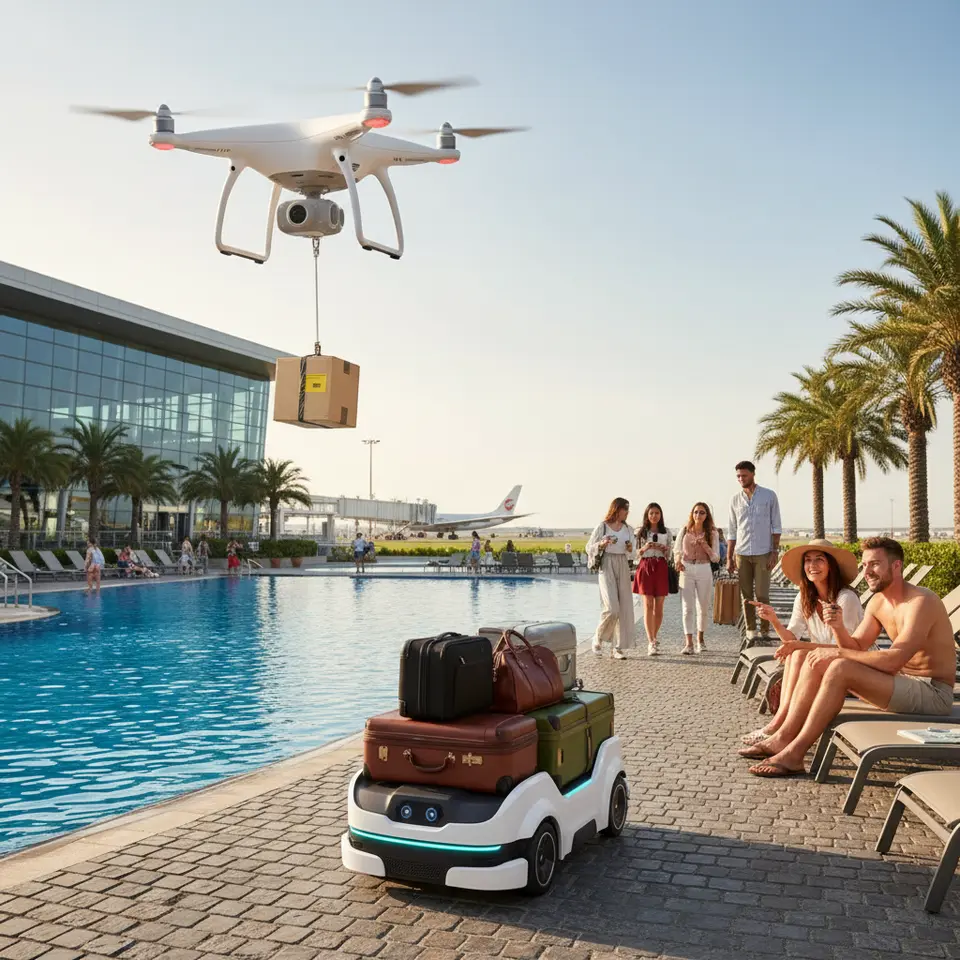
Picture requesting a spare charger or an essential medication and having it dropped at your resort pool by drone within the hour. Dedicated drone corridors and streamlined regulations allow unmanned aerial vehicles to safely deliver packages in remote and urban settings alike. Hotels, cruise ships, and airports partner with licensed operators to offer on-demand drone valets, ferrying luggage directly to your room or gate.
On the ground, autonomous robots equipped with obstacle avoidance navigate pedestrian zones, transporting luggage from pickup points to accommodations. Secure compartments and real-time tracking ensure peace of mind. These drone and robotics solutions reduce terminal congestion, curb carbon emissions, and add a futuristic flair to modern travel, redefining convenience in the process.
Conclusion
In today’s fast-evolving world, travel tech innovations are the driving force behind seamless, sustainable, and enthralling journeys. From self-charging smart luggage and AI-powered itineraries to VR previews and biometric border control, these tools eliminate friction and empower you to focus on discovery. Solar-powered gear and wearable monitors safeguard your environment and health, while high-speed transport booking, AR headsets, and drone deliveries push the boundaries of convenience.
By incorporating these cutting-edge technologies into your travel toolkit, you’ll navigate the globe with greater efficiency, safety, and connection than ever before. Embrace these advancements responsibly, and let today’s innovations fuel your next adventure—where every step becomes a story worth telling.
Frequently Asked Questions
How does smart luggage improve travel convenience?
Smart luggage integrates GPS tracking, route optimization, and wireless charging to reduce lost baggage incidents and streamline airport navigation. With real-time alerts and touchscreen interfaces, travelers spend less time managing bags and more time exploring.
What sustainability benefits do these innovations offer?
Many of the latest travel tech tools, such as solar-powered chargers and energy-harvesting wearables, minimize reliance on disposable batteries and reduce carbon footprints. Simultaneously, carbon calculators in transport booking tools encourage eco-friendly choices.
Are VR destination previews accurate reflections of real locations?
Yes. Professional capture teams regularly update 360° virtual tours to reflect seasonal changes, crowd levels, and new attractions. By experiencing destinations virtually, travelers set realistic expectations and avoid surprises.
What are the most useful travel tech innovations for solo travelers?
Solo travelers benefit greatly from AI-powered trip planners, wearable safety monitors, portable translation devices, and smart luggage with GPS tracking. These technologies improve navigation, communication, and personal safety while reducing travel stress.
Are biometric airport systems safe for personal data?
Most biometric security systems use encrypted data processing and anonymized verification methods to protect traveler privacy. Many airports also comply with strict international data protection regulations to prevent unauthorized access.
Can AI trip planners really save money?
Yes. AI-powered travel assistants analyze millions of pricing patterns, seasonal trends, and booking opportunities to recommend cheaper flights, accommodations, and transportation options. They also send dynamic price alerts for last-minute deals.
Do portable AI translators work offline?
Modern portable AI translation devices support offline functionality through downloadable language packs. This allows travelers to communicate effectively in remote areas without internet access.
How do wearable travel health monitors improve safety?
Wearable monitors track heart rate, oxygen levels, hydration, UV exposure, and environmental conditions. Many devices can automatically send SOS alerts and location data during emergencies.
Are solar-powered travel gadgets reliable for long trips?
Yes. Advanced solar-powered chargers and photovoltaic backpacks can efficiently recharge smartphones, cameras, GPS devices, and other electronics, making them ideal for camping, hiking, and off-grid travel.
How do VR destination previews help travelers?
Virtual reality previews allow travelers to explore hotels, attractions, and destinations before booking. This improves decision-making, reduces uncertainty, and creates more personalized travel experiences.
What role does augmented reality play in tourism?
AR headsets and smart glasses provide real-time navigation, translation subtitles, historical information, and interactive travel guides directly within the traveler’s field of view.
Will drone delivery services become common in travel?
Drone delivery services are rapidly expanding in resorts, airports, and remote tourism locations. They improve convenience by delivering luggage, medications, food, and travel essentials quickly and efficiently.
Why are travel tech innovations important for sustainable tourism?
Many travel technologies focus on reducing environmental impact through renewable energy, carbon tracking, digital ticketing, and smarter transportation systems. These innovations encourage eco-friendly and responsible travel practices.