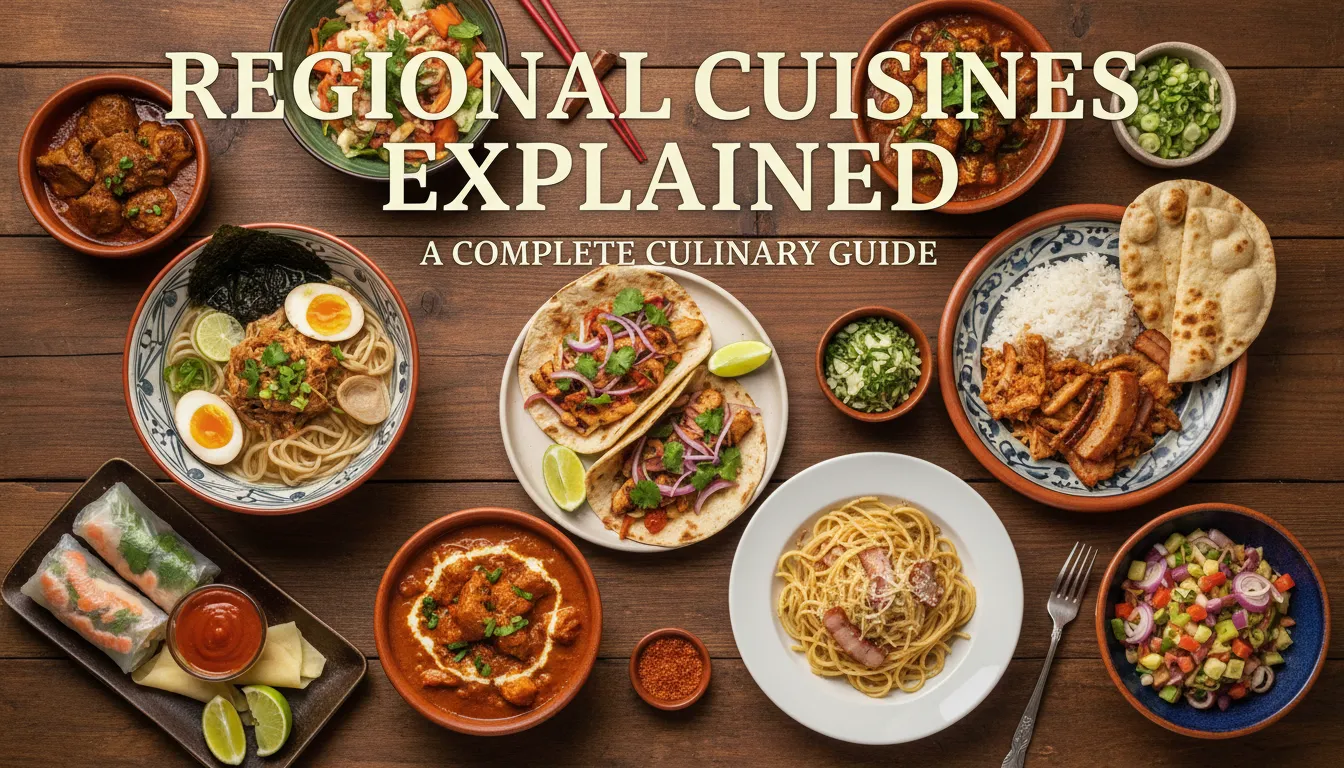
This comprehensive guide explores how geography, climate, and migration shape local food traditions. You will learn about iconic regional dishes, discover expert tips for cooking authentic meals, and explore common mistakes to avoid when recreating these beloved cultural classics at home.
The Foundation of Local Food Traditions
To truly grasp how culinary landscapes evolve, we must look at the foundation of local communities. The ingredients available in a specific area dictate the diet of its inhabitants. When settlers arrived in new territories, they brought their traditional cooking methods and adapted them to indigenous ingredients. This blending of old-world techniques with new-world resources created the distinct flavor profiles we recognize today.
Geography and Climate Influence
Geography plays the most significant role in shaping what ends up on our plates. Coastal communities naturally rely on seafood, while inland areas focus on agriculture, root vegetables, and livestock. A harsh, cold climate forces communities to develop preservation techniques like smoking, curing, and fermenting. Conversely, tropical and subtropical climates allow for year-round farming of fresh produce, citrus, and vibrant herbs.
Cultural Migration and Assimilation
When people move, they bring their flavor memories with them. The migration of different cultural groups introduces new spices, cooking vessels, and preparation methods to a region. For example, you cannot explore the culinary history of the American South without acknowledging the profound impact of West African foodways, just as you cannot understand the Midwest without recognizing its Scandinavian and German roots.
Regional Cuisines Explained: Exploring America’s Flavor Map
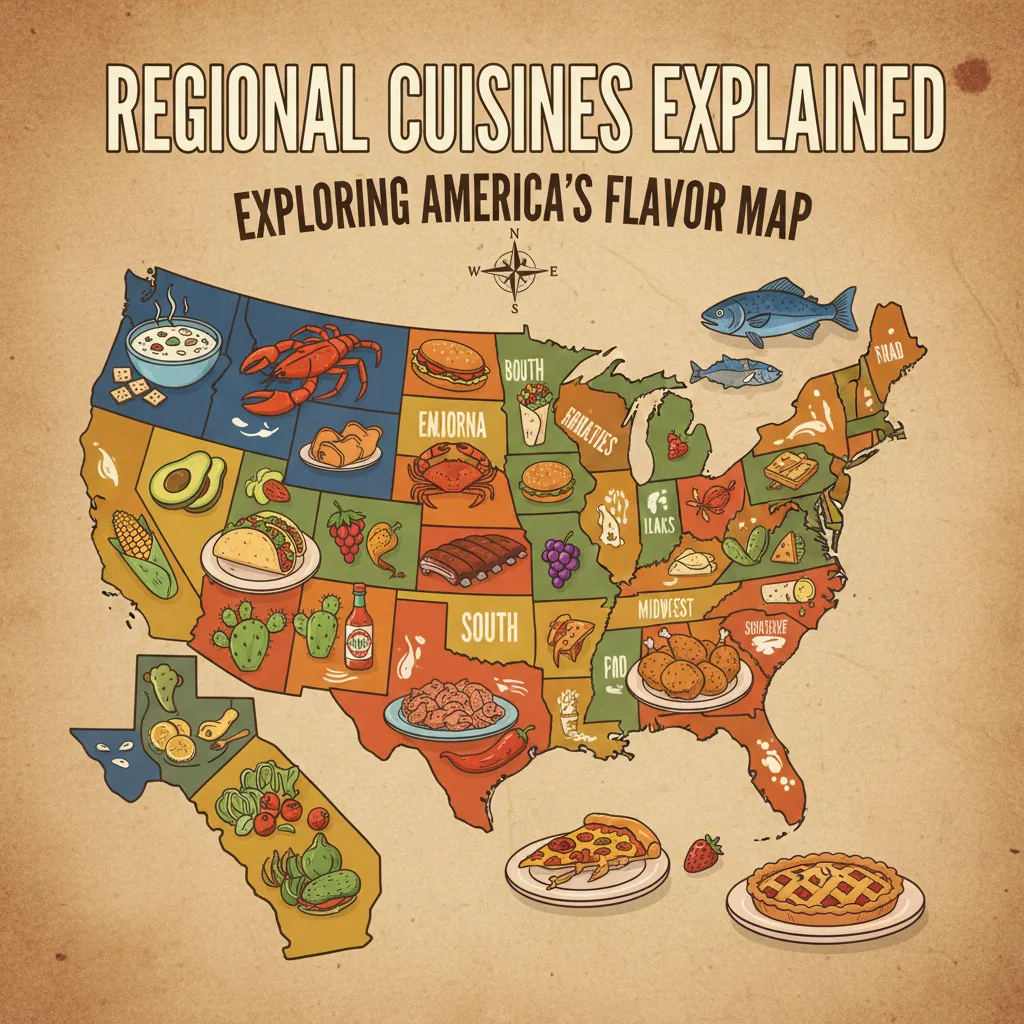
Having regional cuisines explained requires a deep dive into the specific geographic pockets that make up a country’s culinary identity. Let us take a detailed journey through some of the most prominent food regions in the United States.
New England: Hearty Coastal Comforts
New England food reflects its rocky coastline and long, bitter winters. The early settlers relied heavily on the ocean, Native American farming techniques, and hearty ingredients that could survive the cold.
Seafood is the undisputed star here. From fresh Maine lobster boiled in seawater to creamy clam chowder, the reliance on the Atlantic Ocean is evident in almost every traditional meal. Root cellars and preservation methods birthed staples like Boston baked beans, which were traditionally sweetened with molasses and slow-cooked with salt pork. You will also find an abundance of dishes featuring local staples like cranberries, maple syrup, and wild blueberries.
The Mid-Atlantic: Melting Pot of the Metropolis
The Mid-Atlantic region, encompassing culinary hubs like New York and Pennsylvania, is characterized by its fast-paced cities and massive influx of immigrants. This area is the birthplace of iconic street food and deli culture.
Here, you will find Jewish delis serving towering pastrami sandwiches, Italian immigrants introducing the coal-fired pizza slice, and German settlers in Pennsylvania creating soft pretzels and savory pork rolls. The proximity to the Chesapeake Bay also introduces seafood delicacies, most notably the Maryland blue crab cake, highly seasoned with savory spice blends and served with fresh lemon.
The American South: Deep Roots and Soulful Cooking
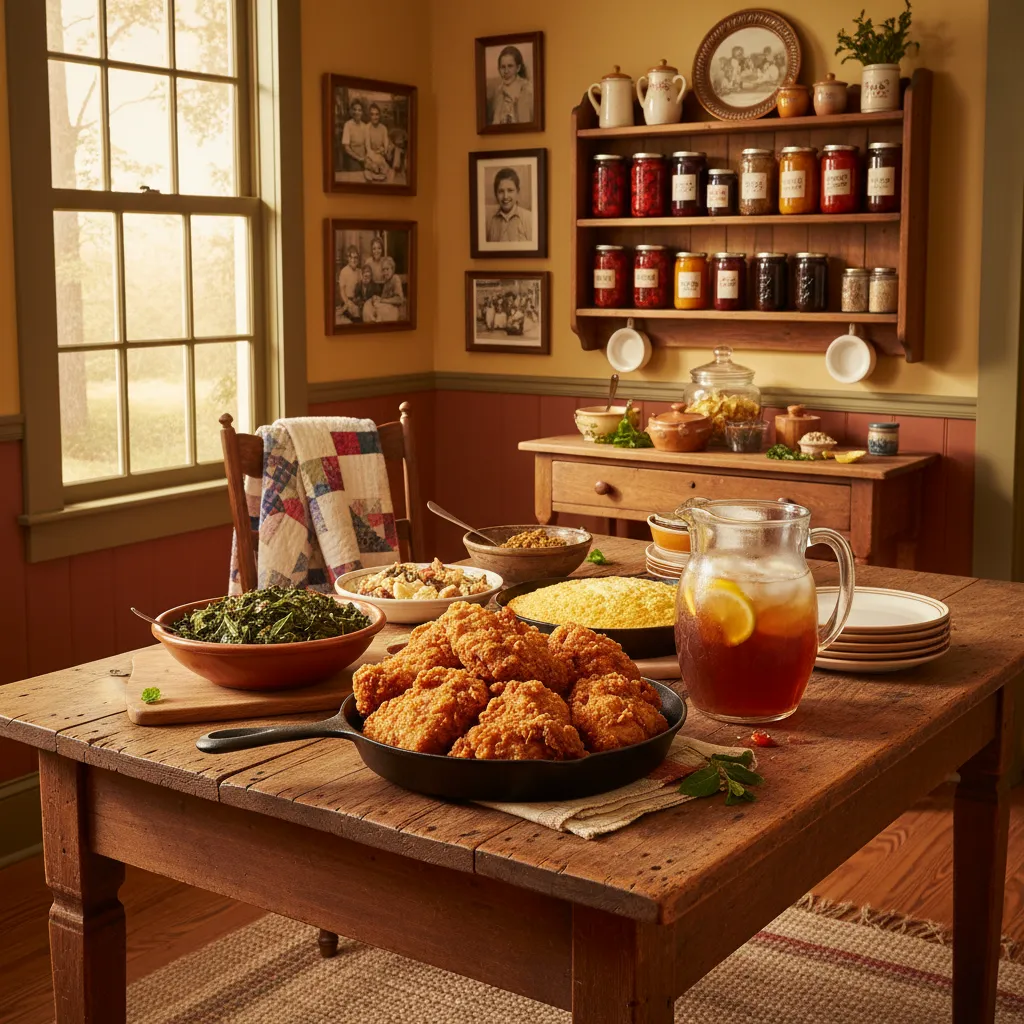
Southern food is arguably the most complex and deeply rooted culinary tradition in the United States. It encompasses several sub-regions, each with its own distinct identity.
Lowcountry and Gullah Geechee
Along the coasts of South Carolina and Georgia, Lowcountry cooking relies heavily on the ocean and marshlands. Dishes like shrimp and grits, she-crab soup, and hearty seafood boils showcase the agricultural wealth of the area. This sub-region owes its identity to the Gullah Geechee people, descendants of enslaved West Africans who maintained their culinary traditions, introducing rice cultivation, okra, and complex spice profiles to the local diet.
Cajun and Creole
Louisiana offers a unique culinary ecosystem shaped by French, Spanish, African, and Native American influences. Creole food, often associated with New Orleans, is traditionally viewed as refined city cooking featuring rich sauces and tomatoes. Cajun food stems from the rustic, country cooking of French Acadian exiles, relying heavily on the “holy trinity” of onions, celery, and bell peppers. Whether you are eating a dark, smoky gumbo or a spicy jambalaya, the flavors are bold and unapologetic.
Appalachian
Mountain cooking in the Appalachian region is a testament to resourcefulness. With limited access to imported goods, mountain communities relied on foraging, hunting, and preserving. Soup beans, cornbread, cured country ham, and pickled vegetables form the backbone of this comforting, survival-driven culinary style.
The Midwest: The Heartland’s Harvest
Often referred to as the breadbasket of America, the Midwest focuses on agriculture, dairy, and meat production. The food here is unpretentious, hearty, and meant to fuel hard-working farmers through harsh winters.
You will find an abundance of casseroles (often called “hotdishes” in states like Minnesota), deep-fried cheese curds from Wisconsin’s rich dairy farms, and toasted ravioli from St. Louis. German and Eastern European influences brought sausages, bratwursts, and pierogies to the region, making it a haven for lovers of savory, meat-heavy dishes.
The Southwest: Heat and Heritage
The Southwest boasts a fiery, vibrant culinary scene that heavily relies on Native American and Mexican traditions. The arid climate makes growing delicate crops difficult, so the cuisine centers around hardy ingredients like corn, beans, squash, and an incredible variety of chili peppers.
Tex-Mex is a massive component of this region, bringing us sizzling fajitas, massive flour tortillas, and bowls of rich, melted queso. In states like New Mexico, the focus shifts to the beloved Hatch green chili, which finds its way into stews, enchiladas, and even cheeseburgers. Cooking over an open fire and utilizing smoke are fundamental techniques in Southwestern kitchens.
The Pacific Northwest and California: Fresh and Foraged
The West Coast is defined by its agricultural abundance and access to the Pacific Ocean. The culinary philosophy here leans heavily on seasonal, locally sourced ingredients prepared simply to let their natural flavors shine.
In the Pacific Northwest, wild-caught salmon, foraged mushrooms, and vibrant berries dominate the menus. Techniques like cooking fish on cedar planks impart a smoky, woodsy flavor that pays homage to Native American traditions.
Further south in California, the year-round growing season allows for an incredibly diverse array of fresh produce. California cuisine frequently blends Mexican, Asian, and Mediterranean influences with farm-fresh vegetables, artisan sourdough bread baking, and locally produced olive oils, creating dishes that are light, colorful, and health-conscious.
Comparing America’s Top Regional Flavor Profiles
To better understand how these areas differ, let us look at a breakdown of their core ingredients and defining characteristics.
|
Region |
Core Ingredients |
Defining Flavor Profile |
Iconic Dish |
|---|---|---|---|
|
New England |
Seafood, potatoes, molasses, dairy |
Creamy, briny, hearty, subtly sweet |
Clam Chowder |
|
The South |
Pork, cornmeal, leafy greens, rice |
Smoky, savory, highly seasoned, rich |
Shrimp and Grits |
|
The Midwest |
Beef, cheese, root vegetables, sausage |
Comforting, mild, creamy, filling |
Tater Tot Hotdish |
|
The Southwest |
Chilies, beans, beef, corn |
Spicy, earthy, smoky, bold |
Tex-Mex Enchiladas |
|
Pacific Coast |
Salmon, avocado, fresh greens, citrus |
Fresh, light, acidic, herbaceous |
Fish Tacos |
The Role of Authentic Ingredients in Local Cooking
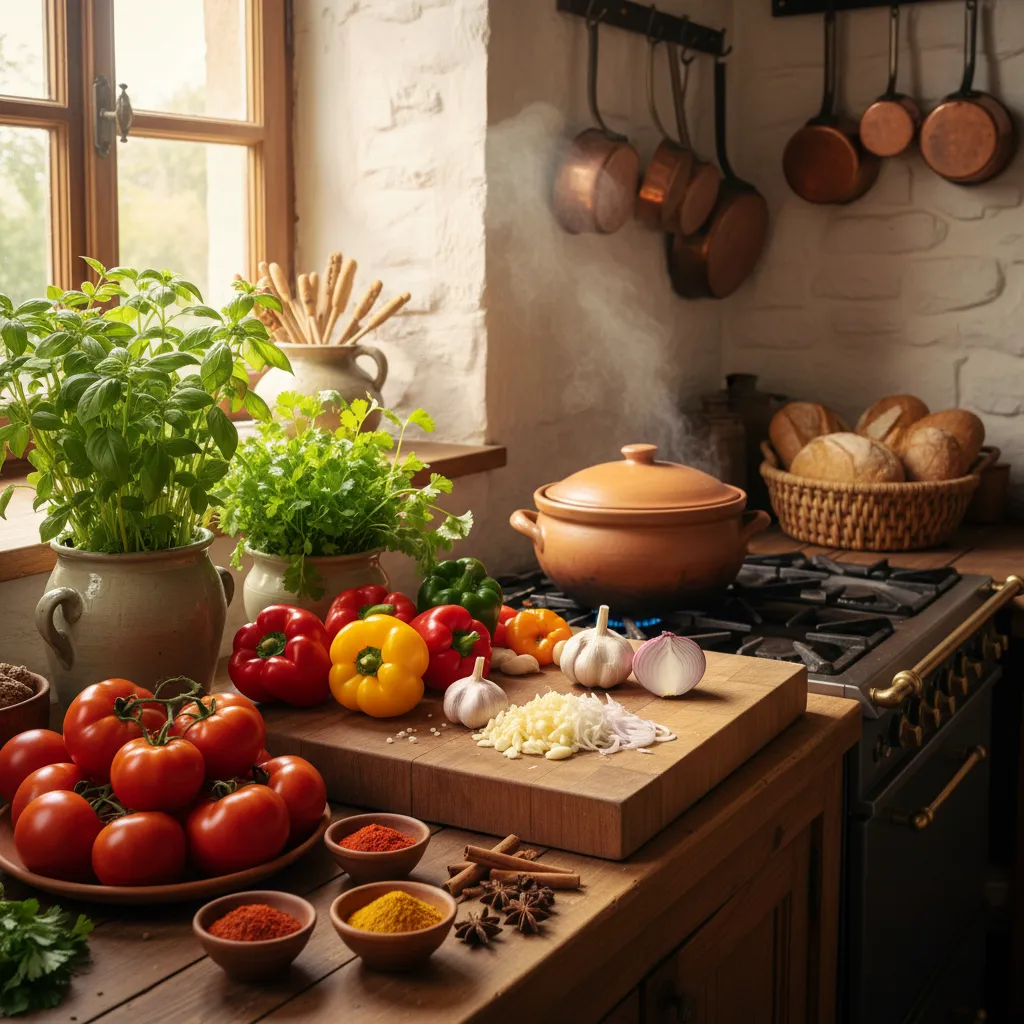
When you want to experience a specific locale’s food, sourcing the right ingredients is critical. You cannot fully replicate a Maryland crab cake using generic canned crab, just as you cannot capture the magic of a New Mexico stew without authentic Hatch chilies.
Many chefs prioritize working with local purveyors to maintain the integrity of their menus. According to guidelines from the James Beard Foundation, supporting local agricultural systems not only preserves regional flavor profiles but also strengthens community food security. Embracing indigenous ingredients allows cooks to honor the land and the people who originally cultivated it.
We also see a rising trend in preserving heirloom seeds and heritage livestock breeds. These efforts ensure that the exact varieties of corn, beans, and hogs used by our ancestors remain available for future generations. When you source heritage ingredients for your Southern cooking techniques, you actively participate in food conservation.
Pro Tips: Cooking Regional Dishes Like a Local
Mastering these diverse culinary styles requires more than just following a recipe. It demands an understanding of technique and tradition. Here are expert insights to elevate your home cooking:
- Respect the Roux: When cooking Cajun or Creole dishes like gumbo, your roux (a mixture of flour and fat) is your foundation. Take the time to stir it over low heat until it reaches the color of dark chocolate. Rushing this process will result in a burnt, bitter flavor.
- Toast Your Spices: For Southwestern cuisine, never use raw chili powder if you can avoid it. Toast whole dried chilies in a dry skillet until fragrant, then rehydrate and blend them. This unlocks a depth of flavor that pre-ground spices simply cannot match.
- Don’t Overwork Biscuit Dough: When making Appalachian or Southern buttermilk biscuits, keep your butter ice cold and handle the dough as little as possible. Overworking develops gluten, which leads to tough, dense biscuits instead of light, flaky layers.
- Let Fresh Seafood Speak for Itself: If you are preparing a Pacific Northwest salmon or New England scallops, keep the seasoning simple. A touch of high-quality olive oil, sea salt, black pepper, and fresh lemon is all you need. Heavy sauces mask the delicate flavor of fresh catches.
- Use the Right Wood for Smoking: Barbecue relies heavily on regional wood. Use hickory or oak for Midwestern and Southern pork, mesquite for Texas beef, and alder or cedar for Pacific fish.
Common Mistakes to Avoid
Even experienced home cooks can stumble when trying to replicate unfamiliar cultural dishes. Avoid these frequent missteps:
- Substituting Ingredients Carelessly: Swapping yellow mustard for authentic whole-grain mustard in a Mid-Atlantic dish, or using standard bell peppers instead of regional chilies, fundamentally changes the recipe’s DNA.
- Ignoring the “Holy Trinity” or “Mirepoix”: Most deeply flavorful dishes start with an aromatic base. Skipping the step of slowly sweating onions, celery, and bell peppers (or carrots) deprives your final dish of crucial underlying flavor.
- Serving Out of Season: Regional food is inherently seasonal. Trying to make a vibrant California tomato salad in the dead of winter will yield disappointing, watery results. Stick to root vegetables and preserved goods during colder months.
- Rushing Low-and-Slow Meats: Regional barbecue and stews require patience. If you try to fast-track a tough cut of meat by boiling it rapidly, it will become incredibly chewy. Allow the collagen to break down gently over several hours.
How Modern Chefs Are Redefining Local Food
While preserving tradition is essential, culinary arts are never static. Today, chefs across the country are honoring their roots while pushing boundaries. We see incredible fusions, such as Asian-Cajun cuisine or modern vegan interpretations of classic Appalachian soul food.
Institutions like the Michelin Guide frequently highlight restaurants that take hyper-local ingredients and apply avant-garde techniques to them. This evolution proves that having regional cuisines explained does not mean trapping them in the past. Instead, it provides a solid foundation for endless culinary innovation. By understanding the rules of a specific foodway, modern cooks earn the right to creatively break them.
Conclusion
Understanding local foodways brings authentic history directly to your dining table. Having regional cuisines explained empowers you to appreciate diverse flavors, unique ingredients, and traditional techniques. Grab your favorite cast-iron skillet, support local farmers, and start experimenting with these culturally significant, delicious recipes in your own kitchen today. Discovering these culinary treasures will forever change how you cook and eat.