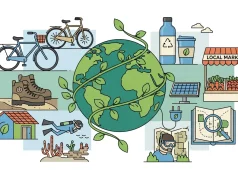
This guide highlights sustainable travel practices, eco-friendly choices, and responsible habits that protect nature, support local communities, and create meaningful, low-impact adventures while exploring the world consciously and respectfully.
Traveling the world is one of life’s most exciting and enriching experiences. It allows you to explore new cultures, taste diverse cuisines, and witness breathtaking landscapes. However, as global tourism continues to grow, it also brings challenges such as environmental damage, cultural disruption, and over-tourism. That’s where sustainable travel tips come into play.
Sustainable travel focuses on minimizing negative impacts while maximizing positive contributions to the environment, local communities, and economies. By making conscious choices, travelers can enjoy unforgettable adventures while preserving the beauty of the planet for future generations. In this guide, you’ll discover practical, sustainable travel tips and ideas for eco-friendly adventures around the world.
What is Sustainable Travel?
Sustainable travel refers to responsible tourism that considers environmental, social, and economic impacts. It encourages travelers to reduce their carbon footprint, respect local cultures, and support local businesses.
At its core, sustainable travel is about making better decisions. Whether it’s choosing eco-friendly accommodations or reducing plastic waste, every small step contributes to a larger positive impact. These sustainable travel tips help ensure that tourism benefits both travelers and destinations.
The key principles of sustainable travel include:
- Protecting natural resources
- Supporting local communities
- Preserving cultural heritage
By following these principles, travelers can enjoy meaningful and responsible journeys.
Why Choose Sustainable Travel Adventures
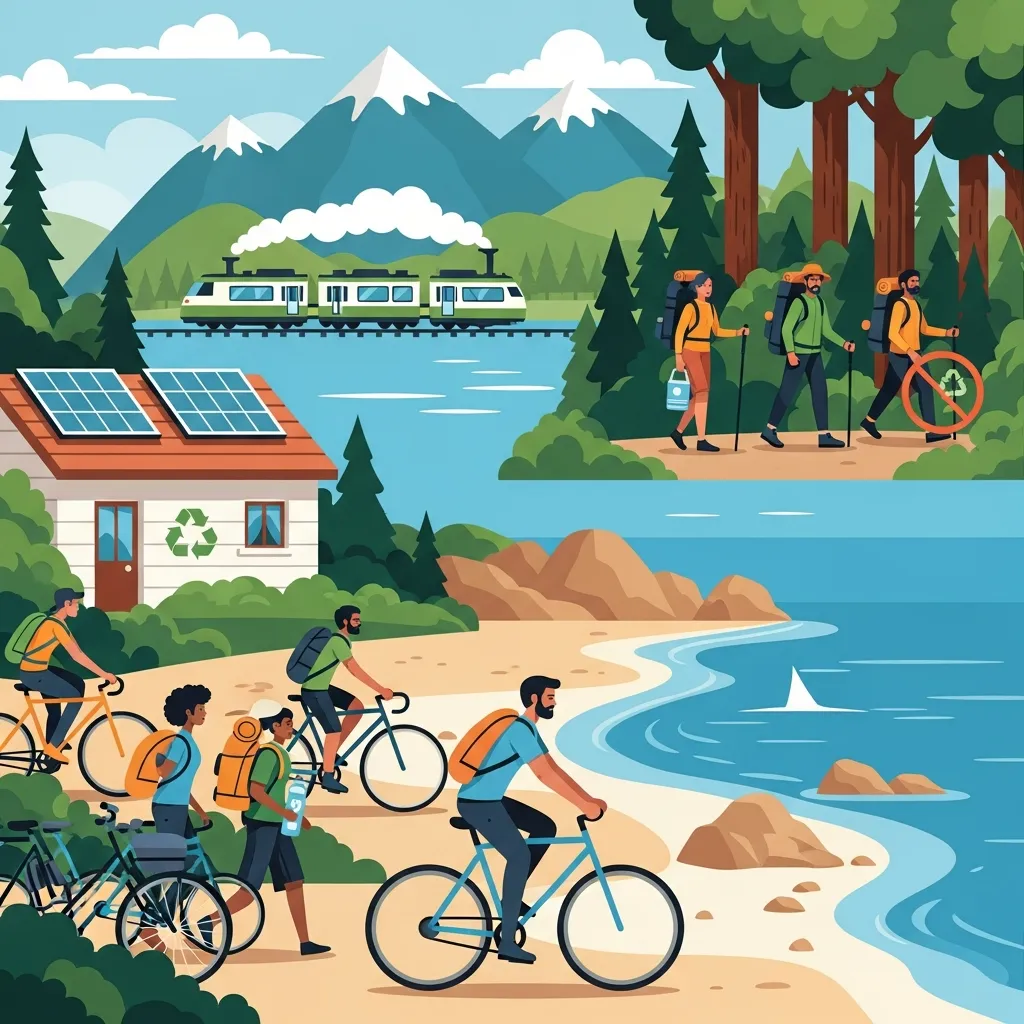
Choosing sustainable travel is not just a trend—it’s a necessity. Tourism can have both positive and negative effects, and responsible travelers aim to make a difference.
First, sustainable travel helps protect the environment. From reducing pollution to conserving wildlife habitats, eco-conscious choices can significantly lower your environmental impact. Using sustainable travel tips like avoiding single-use plastics and reducing energy consumption can make a big difference.
Second, it supports local economies. Staying in locally owned accommodations, eating at local restaurants, and buying handmade products ensure that your money benefits the community.
Lastly, sustainable travel enhances your experience. It allows you to connect more deeply with local cultures, traditions, and people, creating more authentic and memorable adventures.
Planning Your Trip
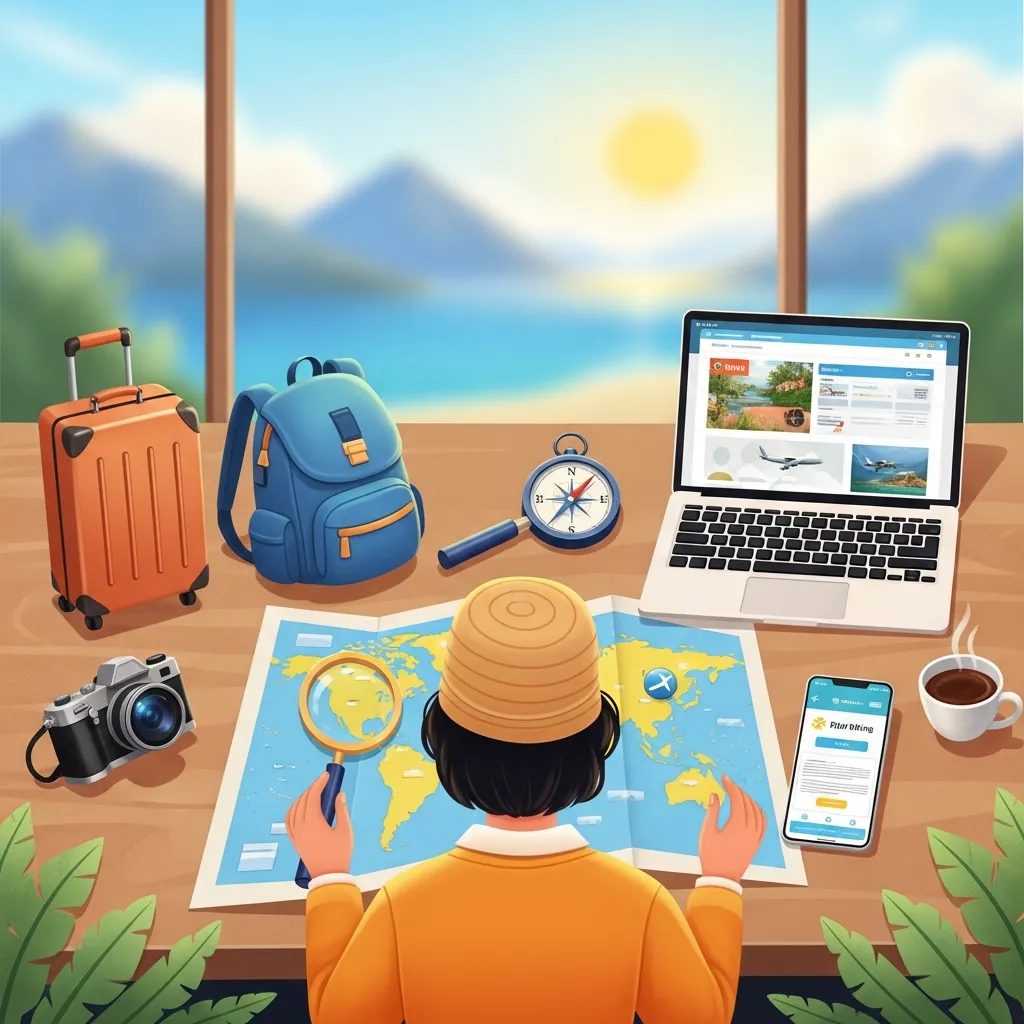
Effective travel planning starts with selecting destinations that align with your interests, budget, and travel style. Begin by researching the best times to visit each location. Consider climate, peak tourist seasons, and local festivals that could enhance your experience or inflate costs. Utilize online tools such as Google Flights, Skyscanner, and Kayak to compare flight prices over multiple months, and explore itinerary routes with aggregation sites like Rome2Rio for seamless connections between cities. Create a preliminary map of must-see landmarks, outdoor adventures, and cultural highlights, then cross-reference visa requirements, vaccination guidelines, and local regulations for each country on your list. Engage with travel communities on social media platforms and read firsthand traveler reviews to discover hidden gems and receive up-to-date safety advice. Armed with this research, draft a rough month-by-month or week-by-week vision of your journey. This roadmap will lay the foundation for a detailed schedule, budget plan, and packing list, ensuring that no critical detail is overlooked as you embark on your global adventure.
While planning, allow for flexibility and spontaneity. Reserve blocks of time for unplanned explorations or local recommendations acquired along the way. Overbooking your schedule can lead to burnout and missed opportunities to connect authentically with the places you visit. Strike a balance between bucket-list activities and leisurely discovery, whether that means wandering cobblestone streets at sunset or savoring a roadside snack at a bustling food stall. By building wiggle room into your planning, you can respond to weather changes, extend stays in unexpected favorite spots, or join last-minute group excursions. The ultimate goal is to craft an itinerary that feels structured enough to maximize your time but fluid enough to embrace the serendipity that makes travel truly magical.
Creating an Itinerary
Once you have a broad vision of where and when you’ll travel, transform it into a day-by-day itinerary that balances activity, rest, and geography. Start by plotting your major transport legs—flights, trains, buses, or ferries—and build around those anchor points. Aim to spend at least two to three nights in each major destination to give yourself time to acclimate, explore thoroughly, and recover from transit days. For shorter stops, create a priority list of the top three to five experiences to ensure you don’t miss the essentials.
When allocating time for each location, factor in transit durations, check-in and check-out times, and local public holidays that could affect opening hours or crowd levels. Use a digital spreadsheet or travel planning app to track dates, booked activities, reservation codes, and budget estimates side by side. Incorporate backup activities for rainy days or unexpected closures, and highlight free or low-cost options to preserve your budget if you need to trim expenses later in the trip. Finally, share your detailed itinerary with trusted friends or family members, and keep both digital and printed copies accessible. This organized approach will minimize stress, maximize your time, and let you soak in every destination without worrying about the clock.
If traveling with others, collaborate early on must-see attractions and personal interests to ensure the itinerary reflects everyone’s priorities. Assign roles for research, booking, and navigation to distribute responsibilities evenly. A well-crafted plan will help maintain group harmony and guarantee that each traveler walks away with unforgettable memories tailored to their tastes.
Budgeting and Saving
Building a realistic budget is crucial for stress-free travel. Start by outlining major categories: transportation, accommodations, food, activities, and incidentals. Research average daily costs for each region using sources like Numbeo or The Lonely Planet guides, and adjust for high and low seasons. Allocate a buffer of 10 to 20 percent for unexpected expenses such as medical costs, sudden itinerary changes, or must-have souvenirs.
To save on flights, set up price alerts with Google Flights or Hopper, and consider booking tickets two to three months in advance for domestic trips and four to six months ahead for international travel. Be flexible with travel dates and nearby airports for potential discounts. When it comes to accommodations, mix budget options like hostels, guesthouses, and Airbnb stays with occasional splurges in boutique hotels or resorts to recharge. Use loyalty programs and travel reward credit cards to earn points that can be redeemed for free nights or airline upgrades.
Eating like a local not only saves money but also enhances your cultural experience. Sample street food stalls, visit local markets, and look for lunch specials or daily menus at local eateries. Public transportation passes and walking tours can be more economical than taxis or organized bus tours. Finally, take advantage of free attractions such as city parks, public museums with free entry days, and self-guided walking routes. With careful planning and resourcefulness, you can stretch your budget without missing out on authentic experiences.
Packing Smart
Packing light and efficiently will reduce stress during transit and free you from lugging heavy bags through crowded train stations and cobblestone streets. Opt for a versatile capsule wardrobe consisting of neutral colors and quick-dry fabrics that can be layered for varying climates. Choose pieces that can be dressed up or down with simple accessories, and limit shoes to three pairs: comfortable walking shoes, versatile casual shoes, and specialized footwear if needed for hiking or formal events.
Invest in lightweight, durable luggage or a comfortable travel backpack with ergonomic straps and multiple compartments. Packing cubes or compression bags can help organize clothes, separate clean from dirty items, and maximize space. Pack travel-sized toiletries in refillable containers, and consider eco-friendly options to minimize plastic waste. Include essential items such as a universal travel adapter, a portable power bank, a compact first-aid kit, and a multi-tool for unexpected repairs.
Before departure, check baggage allowances and fees with your airline or bus companies to avoid last-minute surprises. Weigh your bag at home to ensure it meets weight restrictions. Finally, create a master checklist and lay out all items a week before your trip to allow time for last-minute adjustments or purchases. By packing strategically, you’ll save time, money, and peace of mind throughout your journey.
Sustainable and Responsible Travel
As global citizens, we have a responsibility to protect the environments and communities we explore. Start by offsetting your carbon emissions with reputable programs when booking flights. Choose eco-certified accommodations that prioritize renewable energy, water conservation, and waste reduction. Support local businesses by staying in family-owned guesthouses, dining at neighborhood eateries, and purchasing handicrafts directly from artisans.
Reduce single-use plastic by carrying a reusable water bottle, a cloth shopping bag, and travel-friendly utensils. Participate in community-based tourism initiatives that allow you to contribute to conservation projects or cultural preservation efforts. Respect local wildlife by observing animals from a safe distance and avoiding experiences that exploit or endanger creatures for entertainment. Follow Leave No Trace principles when hiking or camping by packing out all waste and sticking to designated trails.
Educate yourself on the social norms and cultural taboos of your destinations. Ask permission before photographing individuals or sacred sites, and learn a few respectful phrases in the local language to foster goodwill. By traveling consciously and ethically, you’ll leave a positive legacy on the planet and the people you meet along the way.
Staying Safe on the Road
Safety should always be a top priority. Begin by purchasing comprehensive travel insurance that covers medical emergencies, trip cancellations, and theft. Keep digital and physical copies of important documents such as passports, visas, travel insurance policies, and emergency contact numbers. Consider storing encrypted copies of your documents in secure cloud storage accessible from any device.
Research local laws, customs, and areas to avoid. Sign up for government travel advisories and register your itinerary with your embassy or consulate for added security. Blend in by dressing modestly or matching local styles to reduce attention from pickpockets or scammers. Always carry a minimal amount of cash and use credit cards or travel cards with chip protection for daily expenses.
When using public transport, choose reputable providers and avoid traveling alone at night whenever possible. Trust your instincts and maintain situational awareness by scanning crowds and identifying emergency exits. Keep family or friends updated with your location and check in regularly. With careful preparation and vigilance, you’ll be able to focus on the joys of travel rather than worrying about what could go wrong.
Embracing Local Culture
Travel is not just about seeing new landscapes, but also about forging connections with people and traditions. Learn a handful of greetings, thank yous, and basic phrases in the local language to show respect and break the ice. Participate in cooking classes, craft workshops, or homestays to gain deeper insight into local craftsmanship and daily life.
Seek out community-led tours and experiences that prioritize cultural exchange over tourism spectacle. Attend local festivals, ceremonies, or traditional performances, and inquire about their historical or religious significance. Be mindful of photography etiquette: always ask permission before capturing portraits of individuals or sacred rituals.
Savor local specialties by dining at small eateries, street food stalls, or family-run restaurants. Engage with your hosts and servers to uncover hidden menu items and regional variations you might otherwise miss. These cultural interactions will not only enrich your journey but also foster mutual understanding and leave lasting impressions on both you and the communities you visit.
Tech Tools and Apps
Smartphones can be your most powerful travel companion when equipped with the right apps. Use TripIt or Google Travel for itinerary management, and download offline maps via Maps Me or Google Maps for navigation without data. Language apps like Duolingo or Google Translate with offline packs can bridge communication gaps. Currency converter apps help you stay on budget, while apps like Trail Wallet or Splitwise keep track of shared expenses with travel companions.
For booking accommodations on the fly, install platforms such as Booking.com and Hostelworld, and use ride-hailing services like Uber or local equivalents for reliable transport. Stay connected with WhatsApp or Telegram to communicate with hosts and fellow travelers, and engage with local travel forums on platforms like Reddit or Facebook for real-time tips. Finally, bring a portable battery pack and a global travel adapter to ensure your devices stay powered throughout your adventures.
How to Explore Destinations Responsibly
Exploring new places responsibly means being mindful of your impact on both the environment and local communities. Always follow local rules and guidelines, especially in natural or protected areas. Avoid overcrowded spots during peak times and consider visiting lesser-known locations to reduce pressure on popular sites.
Engage respectfully with local culture by learning basic customs, dressing appropriately, and communicating politely. Support ethical experiences by choosing activities that do not harm animals or exploit people. By staying aware and making thoughtful decisions, you can enjoy meaningful experiences while helping preserve the uniqueness and integrity of each place you visit.
Smart Planning for Low-Impact Adventures
Thoughtful planning plays a big role in reducing your overall impact while exploring new places. Start by researching destinations that prioritize sustainability and conservation efforts. Choosing places that actively protect their environment helps ensure your visit contributes positively.
Plan your itinerary to minimize unnecessary movement by grouping nearby attractions together. This not only saves time and energy but also reduces emissions. Opt for digital tickets, maps, and guides to cut down on paper waste.
Additionally, consider the timing of your visit. Off-season trips can ease pressure on crowded locations and provide a more relaxed experience. With careful preparation and mindful choices, your adventures can be both enjoyable and environmentally responsible.
Choosing Ethical Activities for Meaningful Experiences
Selecting the right activities can greatly influence the impact of your journey. Focus on experiences that respect nature, wildlife, and local communities. Avoid attractions that exploit animals, such as rides or performances, and instead support sanctuaries or conservation programs that prioritize animal welfare.
Participating in community-based activities like cultural workshops or guided tours by locals can provide deeper insights while directly benefiting residents. These experiences are often more authentic and rewarding.
Also, be mindful of group sizes and environmental impact when joining tours. Smaller groups usually create less disruption and allow for a more personal experience. Making ethical choices ensures your experiences remain positive for both you and the places you explore.
Be conscious of energy and water usage by turning off lights, reusing towels, and avoiding unnecessary consumption. Respect nature by staying on marked paths, not disturbing wildlife, and leaving no trace behind. These simple habits ensure that your journeys remain responsible while preserving the beauty and culture of every destination you explore.

Traveling offers endless opportunities to explore the world more consciously, efficiently, and authentically. By investing time in thorough planning, budgeting wisely, packing smart, and respecting the environments and cultures you visit, you can turn any trip into a transformative experience. Embrace flexibility, stay safe, and leverage technology to streamline your journey. Most importantly, remain open to the unexpected moments that make the journey unforgettable. Begin crafting your global adventure today, and let the world be your classroom and playground.
Frequently Asked Questions
What is sustainable travel, and why is it important?
Sustainable journey focuses on reducing environmental impact while supporting local communities and preserving cultural heritage. It is important because it helps protect natural resources, reduces pollution, and ensures future generations can enjoy the same destinations.
How can I start practicing sustainable travel tips?
You can begin by making small changes such as using reusable items, choosing eco-friendly accommodations, and supporting local businesses. These sustainable journey tips help reduce waste and promote responsible tourism.
What are the best eco-friendly transportation options?
Public transportation, cycling, and walking are the most eco-friendly choices. Trains are generally better than flights for shorter distances. Following sustainable journey tips like choosing direct flights, can also reduce carbon emissions.
How do I find sustainable accommodations?
Look for hotels with green certifications or eco-labels. You can also stay in locally owned guesthouses or eco-lodges. These options align with sustainable journey tips and help reduce your environmental footprint.
Can sustainable travel be affordable?
Yes, sustainable travel can be budget-friendly. Using public transport, eating local food, and avoiding luxury services can save money. Many sustainable journey tips actually help reduce overall travel expenses.
What should I pack for a sustainable trip?
Pack reusable items such as a water bottle, shopping bag, and eco-friendly toiletries. Packing light is also one of the key sustainable journey tips as it helps reduce fuel consumption.
How can I reduce plastic waste while traveling?
Avoid single-use plastics by carrying reusable alternatives. Refill water bottles and avoid plastic packaging. These simple sustainable journey tips can significantly reduce your waste.
What is responsible tourism?
Responsible tourism involves making ethical choices that benefit the environment and local communities. It goes hand in hand with sustainable travel tips and promotes positive travel experiences.
How can I support local communities while traveling?
You can support locals by shopping at local markets, hiring local guides, and staying in locally owned accommodations. These sustainable journey tips ensure your money benefits the community directly.
Are eco-tourism destinations better for sustainable travel?
Yes, eco-tourism destinations often prioritize conservation and community involvement. Visiting such places while following sustainable journey tips helps protect natural and cultural resources.
What are common mistakes in sustainable travel?
Common mistakes include overusing plastic, ignoring local customs, and participating in harmful tourist activities. Avoiding these mistakes is essential when following sustainable travel tips.
How does sustainable travel protect the environment?
Sustainable travel reduces pollution, conserves natural resources, and protects wildlife habitats. By applying sustainable travel tips, travelers can minimize their environmental impact.
Can technology help with sustainable travel?
Yes, technology offers tools like eco-friendly booking platforms, digital tickets, and carbon footprint calculators. These innovations support sustainable travel tips and make responsible travel easier.
Why is cultural respect important in travel?
Respecting local culture helps preserve traditions and ensures positive interactions with communities. It is a key part of sustainable travel tips and enhances your travel experience.
What is the future of sustainable travel?
The future of sustainable travel looks promising as awareness grows and more eco-friendly options become available. Following sustainable tips will continue to play a vital role in shaping responsible tourism.