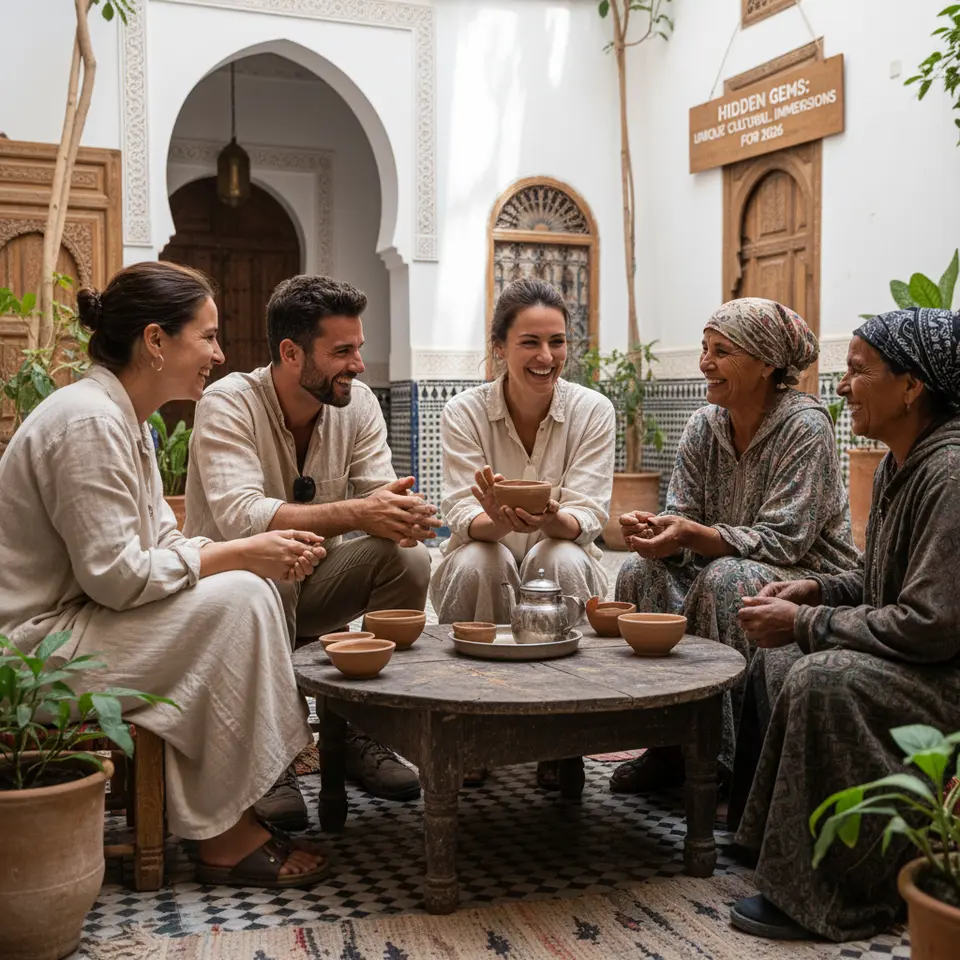
Today, more travelers seek hidden cultural gems instead of popular attractions, craving genuine experiences that immerse them in local customs and traditions. In today’s digital landscape, planning such journeys demands thoughtful research and respect for host communities. This year (2026), wanderers are moving beyond standard itineraries to discover lesser-known locales where heritage remains unspoiled. By venturing off the beaten path, you’ll engage with artisans, join sacred ceremonies, and savor authentic cuisine rarely found in guidebooks. From mountain hamlets to coastal settlements, these unique cultural immersions reveal stories passed down through generations.
In this comprehensive guide, we explore five extraordinary destinations that exemplify the essence of hidden cultural gems. Each section delves into a particular region—highlighting hands-on workshops, home-hosted stays, and festive gatherings—while offering practical tips for responsible travel. You will learn how to connect meaningfully with locals, support sustainable initiatives, and tread lightly on the earth. Whether you yearn to weave textiles beside master craftsmen or learn ancient chants around a fire, these carefully curated experiences promise to enrich your journey in unexpected ways. Prepare to rewrite your travel narrative by embracing authenticity over convenience and creating memories that resonate far beyond any postcard.
The Weaving Villages of Oaxaca, Mexico
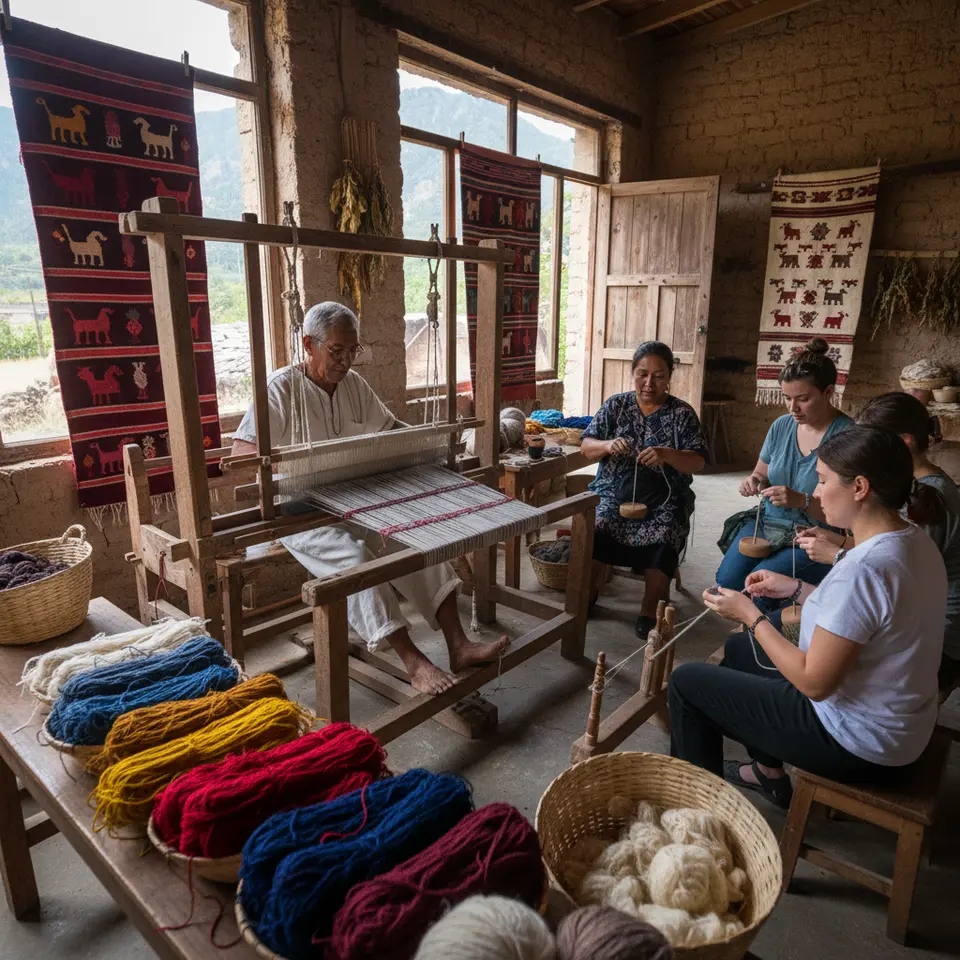
Located high in Mexico’s Sierra Madre de Oaxaca, a network of Zapotec villages preserves traditions that date back thousands of years. Teotitlán del Valle stands out as a beacon of artisanal excellence, where families produce intricate rugs and textiles using locally sourced fibers and natural dyes. Visitors can enroll in weaving workshops led by third- and fourth-generation artisans, learning to spin wool on drop spindles and dye threads with pigments extracted from cochineal insects, indigo leaves, and pomegranate skins.
Dive deeper by accompanying weavers on visits to neighboring markets, where the rhythms of daily commerce reveal the subtle interplay between rural life and cultural expression. Shared meals—often prepared in a community oven—feature fresh tortillas made from stone-ground masa and rich mole negro, showcasing the depth of Oaxacan gastronomy. When you travel slowly and spend multiple nights in a homestay, you gain insight into seasonal rituals such as the tying of menorahs during Día de los Muertos and the crafting of ornamental textiles for weddings.
To align your visit with local celebrations, plan your trip around the Guelaguetza festival each July. During this multi-day event, villages gather to present dance performances, share regional dishes, and exchange handcrafted goods in a spirit of reciprocity. To support sustainable tourism, consider booking with initiatives like the Oaxaca Cultural Foundation, which channels proceeds back into community education and ecological restoration projects. For academic insights on indigenous textile practices, see resources from the University of California, Berkeley (https://www.berkeley.edu), which documents the environmental and cultural significance of natural dyeing methods.
Homestays in Svaneti, Georgia
Nestled among the Caucasus Mountains, the Svaneti region of Georgia remains one of Europe’s most remote inhabited areas. Ushguli, crowned by medieval watchtowers, provides an immersive backdrop for travelers seeking both stunning landscapes and intimate cultural exchange. Opting for a family-run guesthouse allows you to wake each morning to khachapuri—Georgia’s famed cheese-filled bread—and hearty bowls of lobiani, a bean-stuffed specialty.
Beyond culinary delights, homestays here integrate guests into daily rituals. Learn how to bake traditional flatbreads in a tone oven, collect firewood for communal cooking, and attend polyphonic singing sessions around a wood-fired hearth. These layered melodies, recognized by UNESCO as an intangible cultural heritage, echo against stone walls and elevate ordinary nights into memorable gatherings.
Trekking to nearby monastic complexes, such as those perched along the Enguri River, reveals centuries-old frescoes and architectural ingenuity. Monks welcome visitors with slices of seasonal fruit and invitations to supra feasts—lavish banquets where toasts punctuate every course, invoking well-being and friendship. To understand the region’s cultural resilience, consult research from Tbilisi State University (https://www.tsu.ge) on Svan traditions and ecological stewardship.
By choosing homestays vetted for community-led development and environmental responsibility, you ensure your contributions directly benefit local families. Pack reusable essentials, learn a few words of Georgian, and abide by customs like removing shoes indoors to demonstrate respect. In doing so, you’ll not only witness Svaneti’s heritage but become part of its living tapestry.
Kimchi Immersion in Jeonju, South Korea
Jeonju, famed as the birthplace of bibimbap, offers much more beneath its historic hanok rooftops. This city has earned recognition from the Korean government for preserving culinary arts, notably through its kimjang tradition—the communal preparation of kimchi that sustains households through the seasons. Today, travelers can join expert home cooks in hands-on workshops to nurture napa cabbage, hand-mix gochugaru (red pepper flakes), and layer aromatic seasonings pressed into jars.
Workshops usually begin at dawn, as families gather to clean vegetables and season brine. Participants learn how to balance garlic, ginger, fish sauce, and other region-specific spices for a uniquely savory profile. The true value of this hidden cultural gem lies not only in tasting freshly made kimchi but in understanding its role as a cornerstone of Korean identity.
After class, explore Jeonju’s hanok village, one of Korea’s best-preserved traditional quarters. Admire curved tile roofs and wooden lattices as lanterns cast soft light along narrow alleys. Sample street-style jeon—savory pancakes paired with dipping sauces—and conclude your day at a local guesthouse sipping makgeolli, the milky rice wine that complements fermented foods.
For context on fermentation’s health benefits, refer to studies by the Korean Food Research Institute (https://www.kfri.re.kr). By supporting family-operated workshops and staying in eco-conscious hanok inns, you promote a model of tourism that sustains both cultural heritage and community welfare. In today’s world, few experiences compare to kneading cabbage with locals who’ve passed these techniques down for centuries.
Varanasi’s Purnima Ceremonies and Village Festivities, India
While Holi and Diwali draw global attention, Varanasi’s lesser-known Purnima (full-moon) ceremonies on the Ganges offer serene yet profound insights into Hindu ritual life. As the moon rises over the ghats, priests light lamps and chant mantras, creating a luminous spectacle reflected in the river’s gentle currents. Visitors can participate by floating diyas (oil lamps) inscribed with personal prayers, connecting with pilgrims who traverse thousands of miles for a moment of spiritual renewal.
Beyond the city, neighboring villages celebrate local festivals featuring folk music, dance, and community feasts. Here, you might witness a baci water blessing performed by Brahmin priests or join in intimate boat processions where villagers sing devotional bhajans. Each event underscores the seamless integration of religion and everyday life.
To travel responsibly, engage with registered guides trained in cultural sensitivity. Learn basic Sanskrit greetings, inquire before photographing sacred rituals, and dress modestly according to local norms. Organizations like India’s Ministry of Tourism (https://www.incredibleindia.org) provide updated guidelines on respectful conduct and sustainable practices.
Spending multiple days in each village diminishes your environmental footprint and fosters deeper bonds, as hosts share home-cooked vegetarian fare and personal stories. By approaching these gatherings with curiosity and humility, you become more than an observer; you become a participant in timeless traditions that continue to shape India’s spiritual landscape.
Sami Reindeer Camps in Lapland, Finland
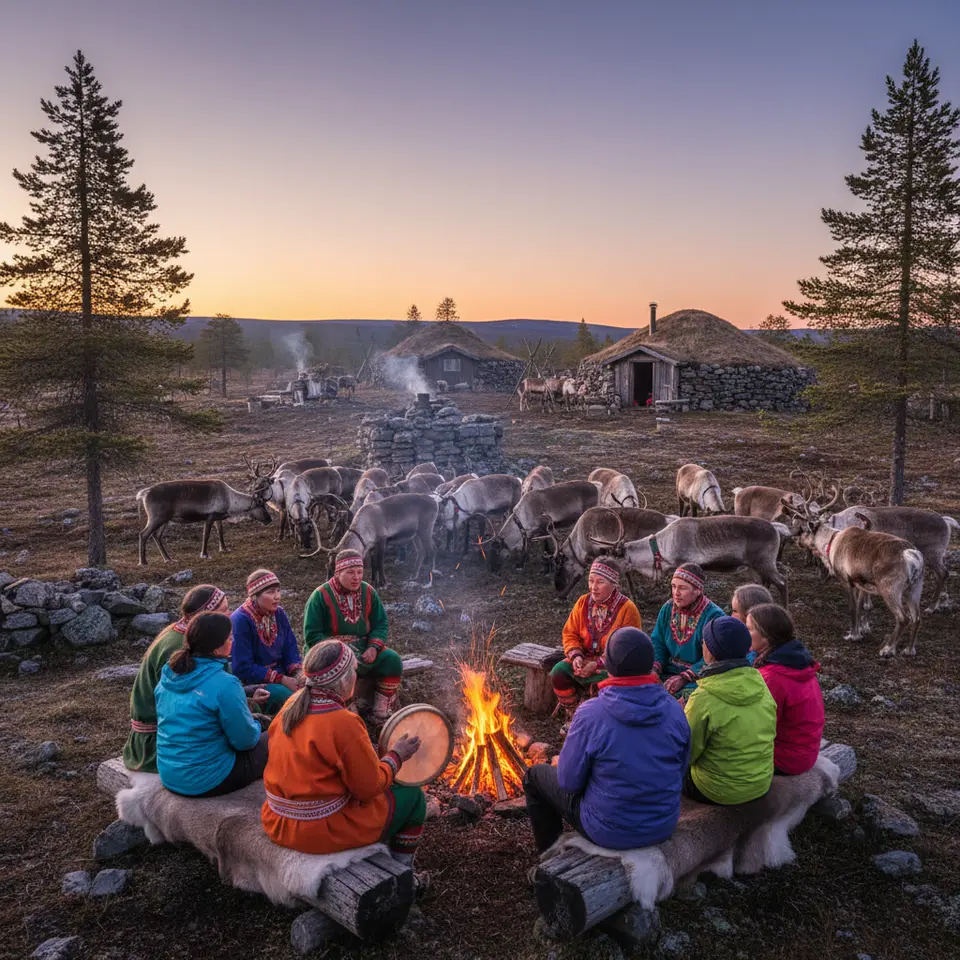
In the far north of Europe, the Sami people maintain a pastoral lifestyle centered on reindeer herding, joik chanting, and seasonal migrations. Today, select eco-lodges and family-run camps invite guests to stay in turf-roofed cabins, blending seamlessly into the tundra environment. Mornings begin with aromatic coffee brewed over an open fire and local treats such as smoked salmon or flatbread topped with cloudberries.
Guides—often reindeer herders themselves—demonstrate how to track and care for herds across frozen landscapes or, in summer months, under the midnight sun. Guests can assist in calf marking, feeding ceremonies, and sheltering animals from predators. These firsthand activities unveil the intricate relationship between the Sami and their natural surroundings.
In the evenings, gather around communal fires to learn joik, a unique form of chant recognized by UNESCO for its cultural value. Elders share ancestral tales of Sápmi, recounting lessons on ecological balance and spiritual connection to the land. To understand the community’s rights and contemporary challenges, consult resources by the University of Lapland (https://www.ulapland.fi).
Choosing certified eco-tours that employ Sami guides ensures that tourism revenue directly benefits indigenous families. Pack sustainable gear, follow guidelines for wildlife respect, and embrace the slow pace of high-latitude living. This form of cultural immersion teaches patience and reverence, transforming ordinary moments into profound encounters with heritage.
Frequently Asked Questions
Q: What is the best time to visit these destinations?
A: Timing varies by region: visit Oaxaca in July for Guelaguetza, Svaneti in summer for trekking and polyphonic singing, Jeonju in late autumn for kimjang, Varanasi during full-moon nights, and Lapland in winter for joik and reindeer herding under the aurora.
Q: How can I ensure my trip supports local communities?
A: Book directly with family-run homestays, workshops, and eco-lodges, choose community-led tour operators, purchase handcrafted goods from artisans, and donate to reputable cultural preservation initiatives.
Q: Are there any cultural customs I should be aware of?
A: Always ask permission before photographing rituals, dress modestly in sacred sites, learn basic greetings in local languages, remove shoes when entering homes, and respect seasonal traditions by following host guidance.
Conclusion
Embarking on journeys to hidden cultural gems this year (2026) reshapes how we perceive the world and ourselves. By prioritizing authenticity, sustainability, and respect, travelers unlock portals to ancient traditions that still thrive today. From the artisanal weavers of Oaxaca to the reindeer herders of Lapland, each experience offers a profound reminder that human connections transcend borders and modern distractions.
As you plan your next adventure, remember to book family-run homestays, learn essential local customs, and support community-led initiatives. Travel slowly, listen deeply, and allow these immersive encounters to leave an indelible mark on your spirit. In doing so, you become more than a visitor; you become a steward of cultural heritage—preserving it for generations to come.