
In today’s digital landscape, more travelers are seeking genuine connections rather than simple snapshots of famous landmarks. Cultural travel has emerged as a dominant trend this year (2026), inviting explorers to dive deeply into local traditions, customs, and stories that give each destination its unique flavor. By prioritizing authentic experiences—whether that’s sharing a meal with a farming family, learning ancestral crafts, or joining community celebrations—you transform a routine vacation into a life-changing journey. In the following guide, we’ll cover everything you need to know about planning, packing, and practicing responsible cultural travel. From discovering must-visit cultural gems to adopting sustainable habits that protect communities and the environment, this comprehensive resource will help you craft meaningful itineraries, connect respectfully with hosts, and leave a positive legacy wherever you roam.
Why Cultural Travel Holds Value Today
Gone are the days when ticking off tourist attractions was enough. Cultural travel today centers on immersion, understanding, and mutual respect. By engaging with residents and embracing local ways of life, you do more than observe—you participate. This approach nurtures empathy and breaks down stereotypes, fostering global awareness that lasts long after your return.
Deepening Human Connections
Interacting with community members—artisans, farmers, storytellers—creates personal bonds you simply can’t get from guidebooks. These encounters reveal hidden narratives: the song behind a traditional dance, the symbolism in folk motifs, and the heritage passed through generations. When you listen, ask questions, and show genuine interest, you honor the people who share their heritage with you.
Supporting Local Economies
Today, conscientious travelers allocate budgets directly to communities. By purchasing handmade crafts, dining at family-owned eateries, and booking homestay experiences, you channel resources to grassroots initiatives rather than large corporations. According to UNESCO, cultural tourism can bolster sustainable development when managed responsibly (UNESCO).
Creating Lasting Memories
Experiential travel transcends superficial sightseeing. Learning to prepare traditional dishes, attending local festivals, or participating in a tribal ceremony transforms you from observer to participant. These moments become the stories you recount for years, enriching your perspective of the world.
Must-Experience Cultural Adventures for Your Itinerary
Planning an itinerary brimming with authentic experiences can feel overwhelming, but prioritizing activities that resonate with your interests sets the stage for meaningful cultural travel. Below are some top recommendations to consider when mapping out your journey.
Artisanal Encounters
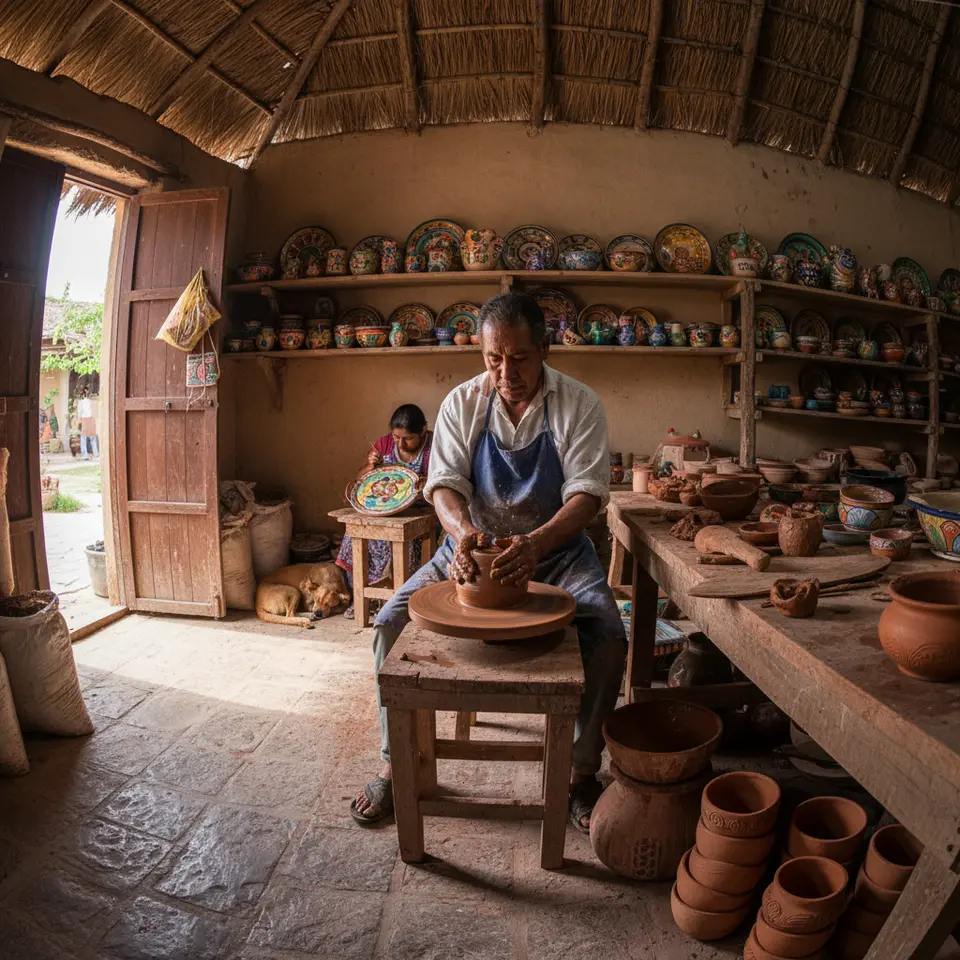
- Handcraft Workshops: Enroll in pottery classes in artisan villages, where you learn techniques passed down through centuries. In regions like Oaxaca, Mexico, skilled potters welcome visitors to create vibrant ceramics while sharing ancestral stories.
- Textile Weaving: Join Navajo weavers in the American Southwest or meet silk-weaving families in rural Thailand. Understanding the dyeing processes and weaving patterns offers insight into the ethos of local culture.
Performing Arts & Festivals
- Flamenco Rhythms: Experience the soul of Andalusia with an intimate flamenco workshop in Seville. Feel the beat of castanets and the power of dance moves that have captivated audiences for centuries.
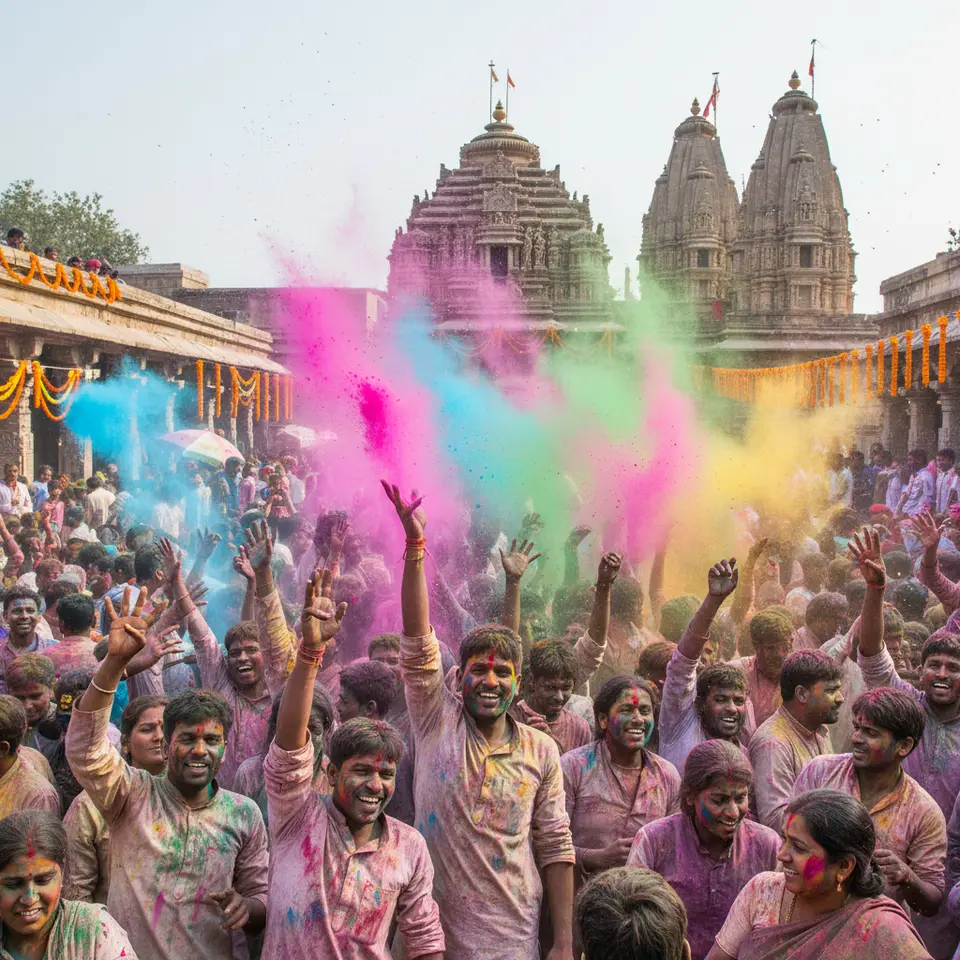
- Color Celebrations: Celebrate Holi with devotees in India’s temple towns or attend the Lantern Festival on Vietnam’s Thu Bồn River. Such events unite communities and invite travelers to share in sacred traditions.
Heritage Trails
- Inca Trail & Quechua Rituals: Trek ancient stone paths to Machu Picchu while local guides explain Andean cosmology and agricultural practices still in use today.
- Historical City Walks: Follow university-led tours—such as those offered by Harvard’s Center for Hellenic Studies—to explore archaeological sites, combining academic insight with on-site exploration (Center for Hellenic Studies).
How to Plan an Authentic Cultural Journey
Careful preparation is key to a fulfilling cultural travel adventure. Beyond booking flights and accommodations, you’ll want to build an itinerary that balances iconic attractions with immersive local encounters.
Research Local Customs
Before departure, familiarize yourself with social norms: appropriate attire, greeting rituals, and dining etiquette. Websites from tourism boards and government agencies—such as the U.S. Department of State—offer reliable guidance on cultural sensitivities (U.S. Department of State).
Seek Community-Led Tours
Look for cooperatives, family-run guesthouses, or social enterprises that reinvest profits into local development. These operators often provide deeper, more personalized experiences while ensuring benefits flow to the people you meet.
Learn Key Phrases
Master basic greetings and expressions—“hello,” “thank you,” and “please”—in the local tongue. A few spoken words demonstrate respect, break the ice, and often elicit smiles from hosts eager to practice their English.
Sync with Local Calendars
Consult regional festival schedules to plan your visit around cultural celebrations. Whether it’s a harvest festival, religious ceremony, or community fair, participating in these events offers unparalleled insight into local life.
Packing Essentials for Respectful Exploration
Packing for cultural travel goes beyond clothing and toiletries. Thoughtful choices reflect your respect for hosts and considerations for local environments.
Appropriate Attire
Opt for conservative, lightweight garments that cover shoulders and knees where required. Natural fibers like cotton and linen breathe well in tropical climates while blending respectfully with local dress codes.
Reusable Gear
Carry a refillable water bottle and eco-friendly toiletries. Minimizing single-use plastics demonstrates environmental stewardship and sets a positive example in the communities you visit.
Travel Essentials
- Universal adapter and portable power bank
- Compact language guide or translation app
- Small gifts for hosts—locally sourced items from your hometown
- Secure daypack with lockable compartments
Digital & Health Preparations
Download offline maps and translation files before you leave. Pack a basic first-aid kit and check government health advisories in advance to ensure you’re up to date on recommended vaccinations.
Embracing Sustainable Practices in Cultural Travel
Travelers today bear a responsibility to preserve cultural and natural heritage for future generations. Sustainable cultural travel intertwines environmental stewardship with community well-being.
Choose Eco-Certified Stays
Select accommodations recognized by organizations like Green Globe or EarthCheck. Homestays and eco-lodges often use renewable energy, manage waste responsibly, and directly benefit local populations.
Support Local Enterprises
Opt for markets, cafés, and tour operators run by locals rather than international chains. Staying in family-run guesthouses ensures your spending power fuels community projects, education, and conservation efforts.
Minimize Carbon Footprint
Whenever possible, use public transportation, rent bicycles, or walk between sites. Shared shuttle services and electric tuk-tuks reduce emissions while offering authentic glimpses into daily life.
Respect Sacred Spaces
Observe signage, adhere to dress codes at religious sites, and always ask for permission before photographing individuals. Demonstrating mindfulness reinforces trust and fosters positive cross-cultural dialogue.
Frequently Asked Questions
What is cultural travel?
Cultural travel focuses on immersive experiences that connect you with local traditions, customs, and communities. Rather than simply visiting landmarks, you engage in workshops, ceremonies, and daily life to gain deeper understanding.
How can I ensure my cultural travel is respectful?
Research social norms and dress codes before you go, learn basic phrases in the local language, and always ask permission before photographing people or entering sacred sites. Showing genuine respect earns trust and enriches your interactions.
What are some sustainable practices I can adopt?
Stay in eco-certified accommodations, support local cafés and markets, minimize single-use plastics by carrying reusable gear, and choose low-impact transportation like walking, cycling, or shared shuttles.
How do I find authentic local experiences?
Look for community-led tours, cooperatives, and family-run homestays. Engage directly with artisans, farmers, and guides who reinvest in their communities for the most genuine encounters.
Conclusion
Cultural travel today is about more than checking landmarks off a list—it’s an invitation to step into another world with open eyes, an open heart, and a sense of responsibility. By prioritizing authentic experiences, planning thoughtfully, packing responsibly, and embracing sustainable practices, you’ll forge genuine connections and leave a lasting positive impact. As you explore bazaars, festivals, and ancient pathways, remember that every conversation and every shared meal contributes to cross-cultural understanding. Prepare well, travel respectfully, and let your cultural travel journey transform not only your perspective but also the lives of those you meet along the way.