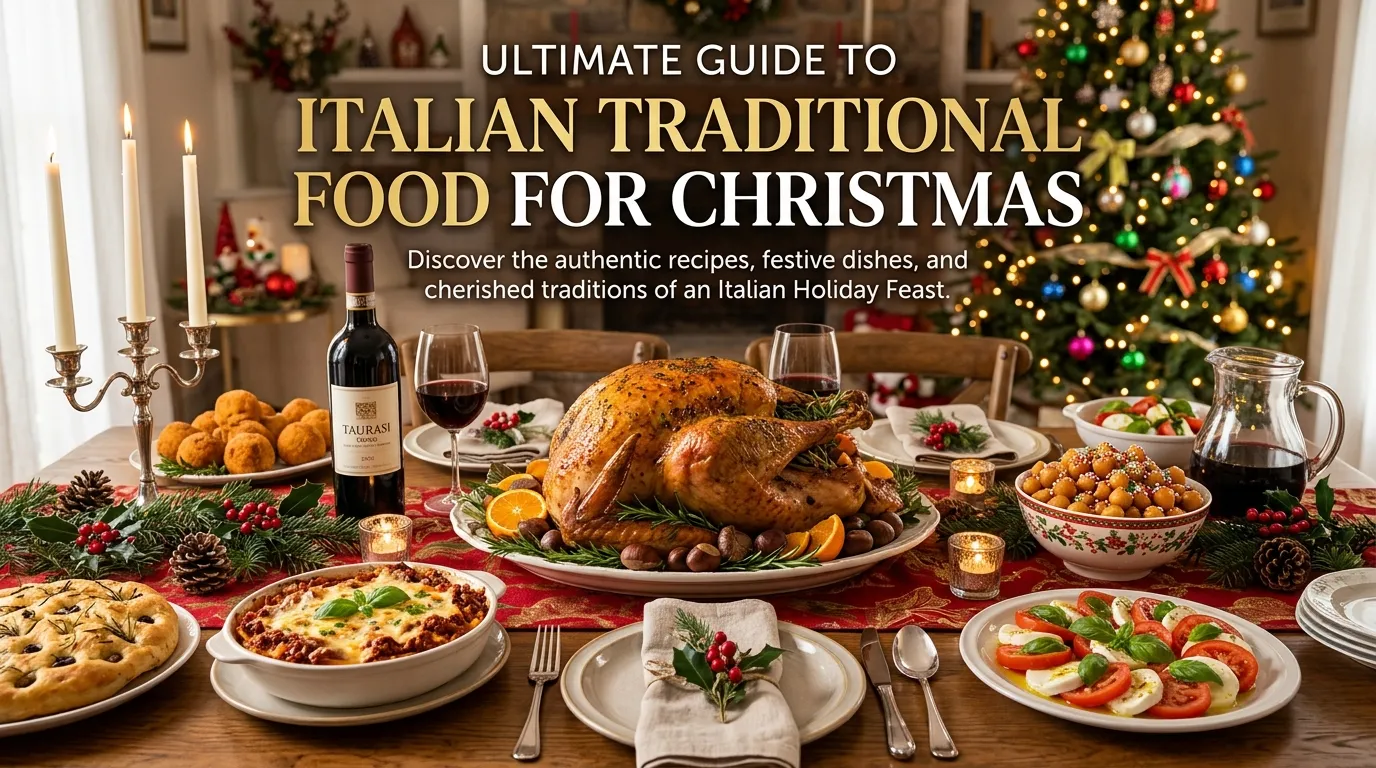
A traditional Italian holiday feast represents abundance, family connection, and centuries of culinary heritage. This comprehensive guide covers everything from the iconic Feast of the Seven Fishes on Christmas Eve to hearty Christmas Day pastas and decadent regional desserts. You will learn expert hosting tips, common cooking mistakes to avoid, and step-by-step insights to recreate these beloved Mediterranean classics in your own kitchen.
The Magic of Italian Traditional Food for Christmas
When you explore italian traditional food for christmas, you uncover a rich tapestry of history and flavor. In Italy, the holiday season revolves entirely around the dining table. Families spend days preparing elaborate menus that honor local ingredients, seasonal produce, and ancestral recipes. Unlike a single standardized holiday meal, the Italian approach is deeply regional. What a family eats in Milan differs vastly from a festive spread in Naples or Sicily.
Understanding these culinary traditions requires looking at the two main dining events: La Vigilia (Christmas Eve) and Il Giorno di Natale (Christmas Day). Each day carries specific rules, symbolic ingredients, and an unmistakable atmosphere of joy. By incorporating these authentic practices into your home, you can capture the true essence of an Italian holiday celebration.
Christmas Eve: The Feast of the Seven Fishes (La Vigilia)
For Italian Catholics, the day before Christmas is traditionally a day of fasting and abstinence from meat. This religious practice gave birth to one of the most famous culinary traditions in the world: the Feast of the Seven Fishes. While the exact number of dishes can vary from seven to ten or even thirteen, the focus remains strictly on fresh, high-quality seafood.
Iconic Seafood Appetizers
The Christmas Eve meal begins with an impressive array of seafood appetizers designed to stimulate the palate. You will often find crispy fried calamari served with fresh lemon wedges and marinara sauce. Another staple is a vibrant octopus salad, boiled until tender and tossed with celery, garlic, parsley, and a generous pour of extra virgin olive oil.
Many coastal families also serve baked stuffed clams (vongole ripiene). These delicate bites feature a mixture of breadcrumbs, garlic, oregano, and clam juice, baked until golden brown. You might also encounter marinated anchovies or smoked eel, which bring a sharp, briny brightness to the start of the meal. Pairing these starters with crusty homemade bread ensures none of the flavorful olive oil or seafood juices go to waste.
The Seafood Pasta Course
Following the appetizers, the first main course (il primo) arrives. This is almost always a luxurious seafood pasta. Spaghetti alle vongole (spaghetti with clams) stands out as a universal favorite. The sauce requires only a few ingredients: garlic, white wine, olive oil, and fresh clams. The simplicity of the dish highlights the natural sweetness of the seafood.
In southern regions, you might enjoy paccheri with a rich seafood ragù containing mussels, shrimp, and squid. Some families prefer a creamy lobster ravioli or a hearty seafood risotto cooked slowly with fish broth and saffron. The key to mastering this course lies in cooking the pasta exactly al dente and finishing it directly in the seafood sauce so it absorbs every drop of flavor.
The Main Seafood Event
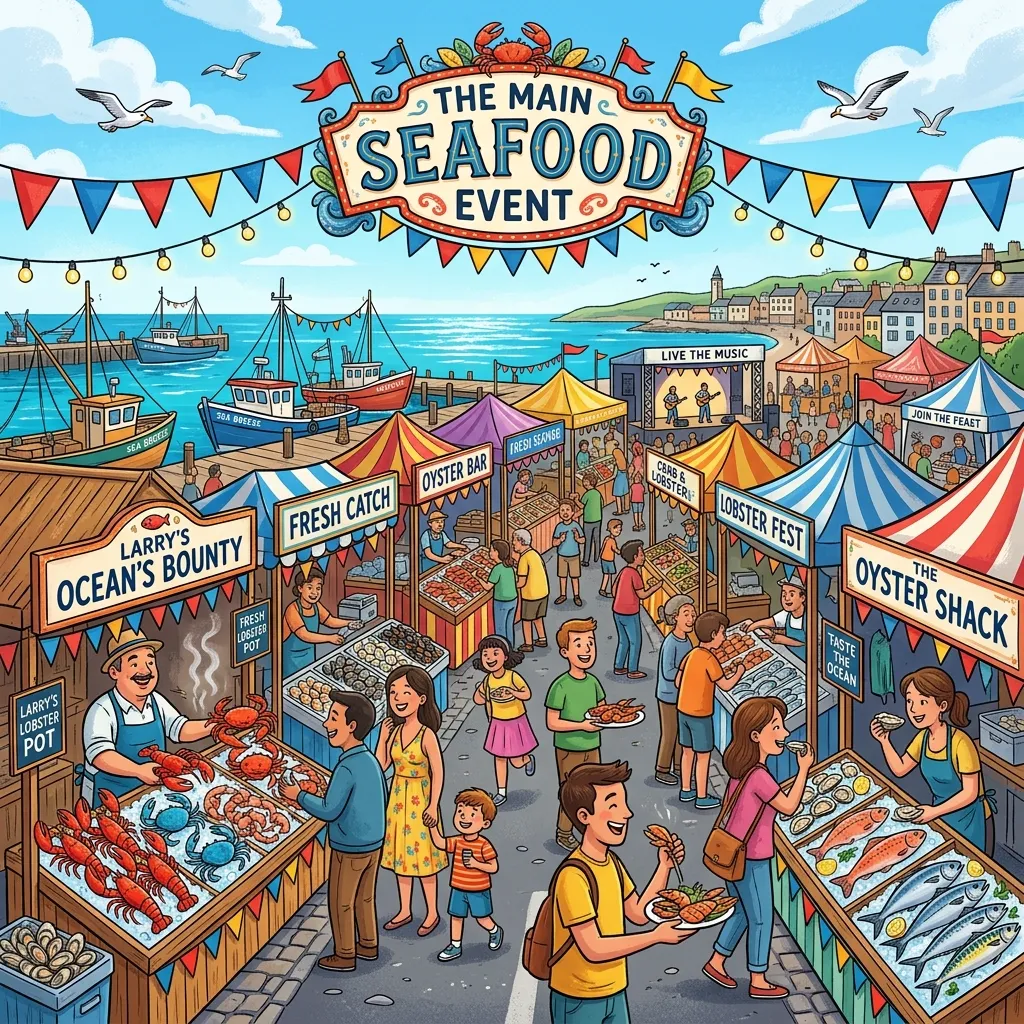
The second course (il secondo) brings heavier fish dishes to the table. Baccalà, or salted cod, is an absolute necessity for many Italian families. You must soak the baccalà for several days to remove the excess salt before cooking. Once prepped, it can be fried in a light batter, baked with potatoes and tomatoes, or stewed with olives and capers.
Another popular centerpiece is whole roasted branzino or sea bream. Stuffed with lemon slices, rosemary, and thyme, the fish roasts until the skin crisps and the meat flakes beautifully. For a truly decadent option, some families serve grilled swordfish steaks or large prawns brushed with garlic butter. If you want to explore more about regional seafood preparations, you can read insights from La Cucina Italiana, which details historical coastal recipes.
The Feast of the Seven Fishes is a masterclass in pacing. By serving multiple light, vibrant seafood dishes over several hours, you keep guests satisfied without leaving them feeling overly heavy before the indulgences of Christmas Day.
Christmas Day: A Feast of Meat and Pasta (Il Giorno di Natale)
When Christmas Day arrives, the meat restriction lifts, and the true indulgence begins. Italian traditional food for christmas on the 25th of December shifts toward rich, comforting flavors. This meal usually takes place in the early afternoon and can last well into the evening.
The Ultimate Antipasti Platter
Christmas Day starts with a spectacular antipasto board. This spread features the finest cured meats, such as prosciutto di Parma, spicy coppa, mortadella, and artisanal salami. Accompanying the meats are aged cheeses like Parmigiano-Reggiano, Pecorino Romano, and sharp provolone.
You should also include marinated vegetables to cut through the richness of the meat and cheese. Roasted red peppers, artichoke hearts in olive oil, sun-dried tomatoes, and plump Sicilian green olives are essential. Some families also serve savory tarts or small slices of frittata. Building a balanced board sets a welcoming, abundant tone for the feast ahead.
Il Primo: The Stuffed Pasta Tradition
The first course on Christmas Day is a celebration of handmade pasta. In Northern Italy, particularly in Emilia-Romagna, tortellini en brodo is the quintessential holiday dish. These tiny, ring-shaped pastas are stuffed with a mixture of veal, pork, prosciutto, and Parmigiano. They are served floating in a rich, crystal-clear capon or chicken broth. Eating this warm, nourishing soup symbolizes comfort and family unity.
In Central and Southern Italy, baked pastas take center stage. A towering pan of authentic lasagna Bolognese, layered with slow-cooked meat ragù, creamy béchamel sauce, and fresh pasta sheets, is a crowd-pleaser. Alternatively, you might serve baked manicotti or large shells stuffed with fresh ricotta and spinach. These dishes are perfect for entertaining because you can prepare them a day in advance, allowing the flavors to meld beautifully. You can easily pair these with our best Italian wines for holidays to elevate the dining experience.
Il Secondo: The Centerpiece Roast
The second course features a spectacular meat roast. The type of meat varies greatly depending on the region and the family’s heritage. In Piedmont and Lombardy, you will often see bollito misto—a platter of mixed boiled meats including beef, veal, and chicken, served with pungent salsa verde and mostarda.
A beautifully rolled porchetta is highly popular in Central Italy. This savory, fatty, and moist boneless pork roast is heavily seasoned with garlic, rosemary, and wild fennel, then roasted until the skin shatters like glass. In the South, roast lamb with potatoes is a traditional favorite, seasoned simply with olive oil, garlic, and fresh herbs.
Side dishes (contorni) are served alongside the meat. Expect to see roasted root vegetables, garlic-sautéed broccoli rabe, or a bright citrus and fennel salad to cleanse the palate. For sourcing high-quality Italian meats and cheeses, many home chefs rely on specialty purveyors like Eataly, which offer imported artisanal ingredients.
Mini-Conclusion: The Christmas Day menu showcases the hearty, agricultural roots of Italian cooking. The focus on slow-cooked meats and handcrafted pasta reflects the care and dedication Italians pour into their holiday hospitality.
Regional Variations in Italian Christmas Menus
To truly understand italian traditional food for christmas, you must explore the distinct culinary landscapes of Italy’s regions. The country’s diverse climate and geography deeply influence the holiday table.
Northern Italy: Rich and Warming
In the colder, mountainous regions of Northern Italy, the food is naturally richer, leaning heavily on butter, cream, and root vegetables. You will find dishes like roasted butternut squash risotto finished with brown butter and sage. Polenta is also a common feature, often served creamy with wild mushrooms or truffles.
Meat takes priority over fish, even on some Christmas Eve tables, though modern families usually adhere to the seafood tradition. In areas like Trentino-Alto Adige, you might even find Austrian-influenced dishes like venison stew or speck dumplings making an appearance during the holidays.
Central Italy: Rustic and Earthy
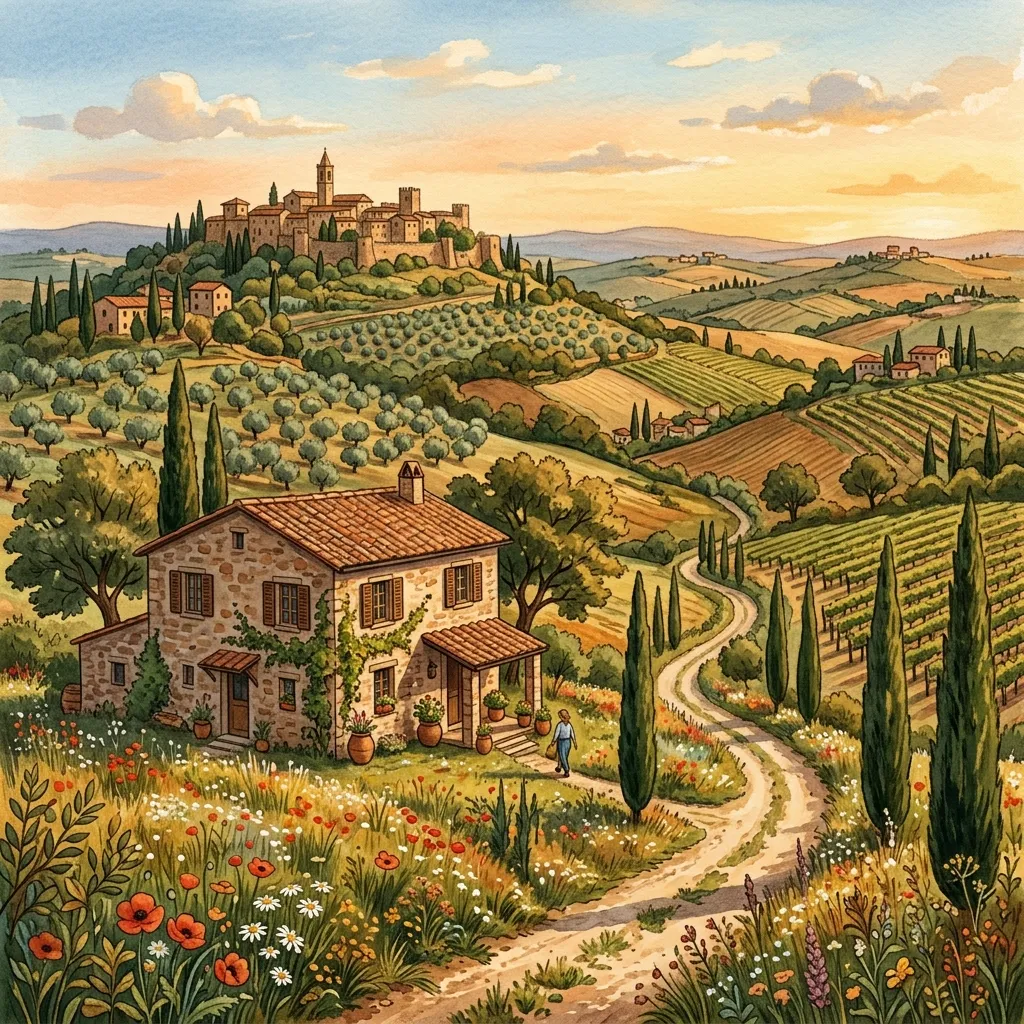
Central Italy, encompassing regions like Tuscany, Umbria, and Abruzzo, celebrates rustic, earthy flavors. Truffles and wild boar are highly prized during the winter months. A classic Christmas dish in Abruzzo is pasta alla chitarra, a square-shaped spaghetti served with tiny beef meatballs.
Tuscany brings its famous crostini di fegatini (chicken liver pâté on toasted bread) to the antipasti table. The region is also famous for its hearty winter soups, such as ribollita, which utilizes leftover bread, cavolo nero (black kale), and cannellini beans.
Southern Italy: Bright and Abundant
Southern Italy, including Campania, Calabria, and Sicily, boasts a vibrant, sun-drenched culinary style. The focus here is on olive oil, tomatoes, citrus, and fresh seafood. The Feast of the Seven Fishes is most prominent in the South.
Spicy flavors also play a role; Calabrian chili paste (nduja) often finds its way into pasta sauces or is spread on bruschetta. In Sicily, you will see a strong Arab influence in dishes like pasta con le sarde (pasta with sardines, pine nuts, and raisins) or swordfish rolled with breadcrumbs and citrus zest.
Sweet Endings: Italian Christmas Desserts
No Italian holiday meal is complete without an astonishing array of desserts (dolci). Italian baking during Christmas relies heavily on nuts, honey, dried fruits, and sweet ricotta.
The undisputed kings of Italian Christmas desserts are Panettone and Pandoro. Panettone, originating from Milan, is a tall, dome-shaped sweet bread studded with candied orange, citron, and raisins. It boasts a light, airy texture thanks to a multi-day fermentation process. Pandoro, from Verona, is an eight-pointed star-shaped bread flavored generously with vanilla and dusted with powdered sugar to resemble the snowy peaks of the Alps.
In Siena, locals enjoy Panforte, a dense, chewy fruitcake packed with almonds, honey, spices, and candied fruit. Southern Italy offers Struffoli, tiny balls of deep-fried dough bound together with warm honey and decorated with colorful sprinkles. And of course, the classic tiramisu guide is always relevant, as many families serve this espresso-soaked dessert to provide a creamy, caffeinated finish to the heavy meal.
For a crunchier treat, biscotti, amaretti (almond cookies), and pizzelle (wafer cookies) are arranged on platters and served alongside strong espresso or sweet dessert wines like Vin Santo. You can read more about the fascinating history of these holiday breads at The Local Italy, which covers regional Italian traditions.
Comparison Table: Northern vs. Southern Italian Christmas Food
To help you design your menu, here is a quick comparison of how holiday foods differ between the North and South of Italy.
|
Course |
Northern Italy |
Southern Italy |
|---|---|---|
|
Appetizer |
Cured meats, butter-based pâtés, cheese |
Fried seafood, marinated vegetables, and olives |
|
First Course |
Tortellini in broth, rich risottos, butter sauces |
Baked pasta, seafood linguine, tomato-based sauces |
|
Main Course |
Mixed boiled meats (Bollito Misto), capon |
Roast lamb, baked fish, porchetta |
|
Fats Used |
Butter, heavy cream, lard |
Extra virgin olive oil |
|
Dessert |
Panettone, Pandoro, Torrone |
Cannoli, Struffoli, Cassata |
Pro Tips for Hosting an Authentic Italian Christmas Feast
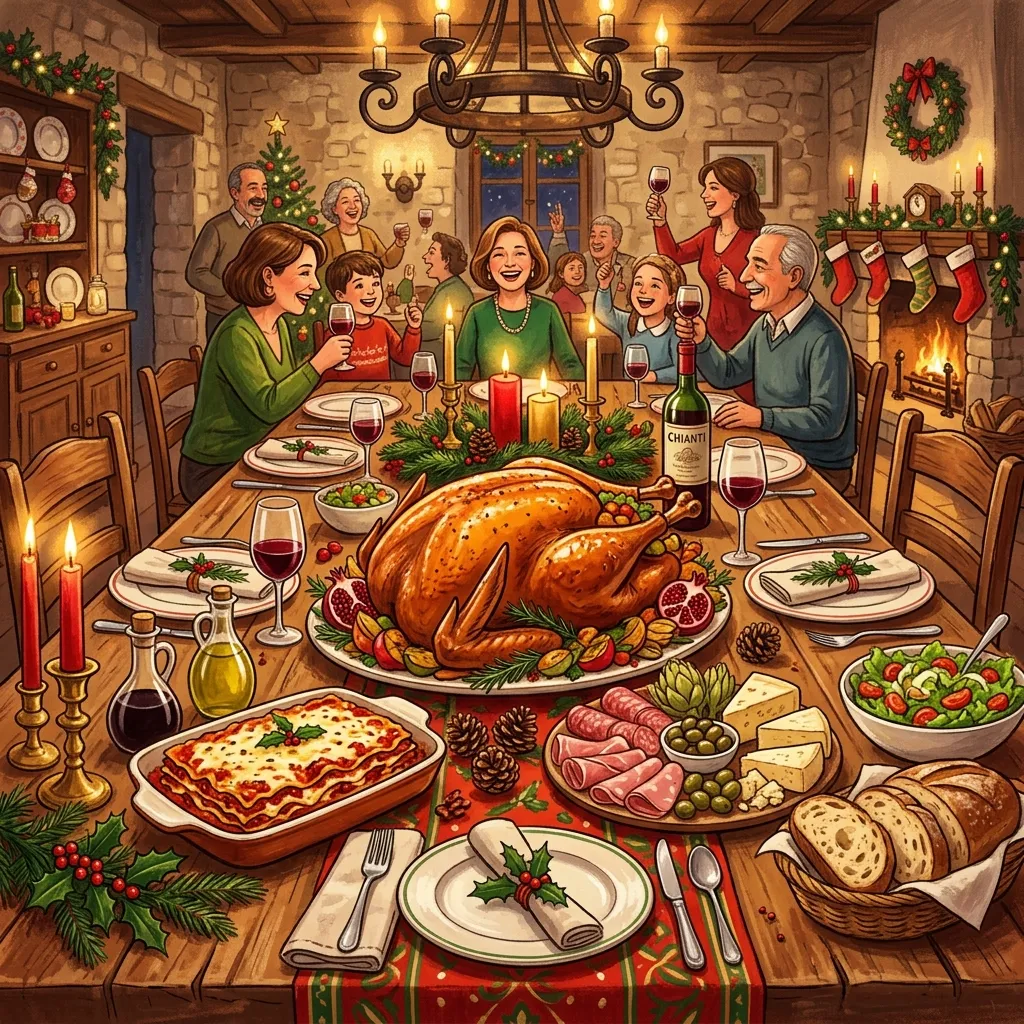
Hosting an Italian-style holiday gathering requires strategy. Here are some expert insights to help you execute a flawless feast:
- Pace the Meal: Italian dinners are marathons, not sprints. Leave ample time between courses. Encourage conversation and pour light, crisp wines early in the evening, saving heavy reds for the meat courses.
- Invest in Quality Olive Oil: Olive oil is the backbone of Italian cooking. Use a standard extra virgin olive oil for cooking, but keep a premium, cold-pressed olive oil exclusively for finishing dishes, drizzling over soups, and dressing salads.
- Prep the Day Before: Dishes like lasagna, tiramisu, and braised meats actually taste better the next day. Assemble these in advance so you can spend Christmas Day enjoying your guests rather than stressing over the stove.
- Keep Seafood Simple: When cooking fish, do not overpower it with heavy sauces. Lemon, garlic, white wine, and fresh parsley are all you need to make high-quality seafood shine.
- Serve a Palate Cleanser: Before dessert, serve a small portion of fennel and orange salad or a lemon sorbetto. This traditional step resets the palate after a heavy meal.
Common Mistakes to Avoid When Cooking Italian Holiday Meals
Even experienced cooks can stumble when preparing traditional Italian fare. Avoid these common pitfalls to ensure your holiday menu is a success:
- Overcooking the Pasta: Pasta should always be cooked al dente (firm to the bite). Remember that pasta continues to cook when you mix it with hot sauce. Always undercook it by two minutes in the boiling water, then finish it in the sauté pan with your sauce and a splash of starchy pasta water.
- Overwhelming the Menu with Cheese: While cheese is delightful, adding heavy cheese to every single dish destroys the balance of the meal. In Italy, cheese is rarely mixed with seafood, so avoid putting Parmesan on your spaghetti alle vongole.
- Ignoring the Quality of Canned Tomatoes: In the winter, fresh tomatoes are out of season and lack flavor. Use high-quality canned San Marzano tomatoes for your ragù and marinara sauces. They provide a sweeter, more robust flavor profile.
- Rushing the Ragù: A true Italian meat sauce needs time. Boiling ground beef for twenty minutes in tomato sauce is not a ragù. You must let the sauce simmer gently on low heat for at least two to three hours to develop deep, complex flavors.
- Serving Cold Panettone: Panettone is rich in butter. Serving it cold mutes its flavor and texture. Place the whole loaf near a warm oven or radiator for thirty minutes before slicing. The gentle heat softens the butter, making the bread incredibly aromatic and tender.
Attention to detail elevates home cooking to restaurant quality. By respecting the cooking times of pasta and the simmering process of sauces, you honor the traditions of Italian culinary heritage.
Conclusion
Embracing Italian traditional food for Christmas is about more than just recreating recipes; it is about adopting a philosophy of generosity, quality, and connection. From the vibrant seafood of La Vigilia to the comforting baked pastas and rich roasts of Christmas Day, these dishes bring warmth and joy to the holiday season. Whether you attempt a full Feast of the Seven Fishes or simply bake a beautiful lasagna, your efforts will create lasting memories. Grab your apron, source the best local ingredients, and start planning your Italian holiday menu today!
Frequently Asked Questions (FAQs)
1. What is the most traditional Italian Christmas food?
While it varies by region, Panettone and Pandoro are the most universally recognized Italian Christmas foods. For savory dishes, tortellini en brodo (tortellini in broth) and baked lasagna are traditional staples across the country.
2. Why do Italians eat fish on Christmas Eve?
The tradition of eating fish on Christmas Eve stems from the Roman Catholic practice of abstaining from meat and dairy on the eve of holy days to purify the body. This evolved into the abundant “Feast of the Seven Fishes” celebrated heavily in Southern Italy and by Italian-Americans.
3. What meats are eaten on Italian Christmas Day?
Christmas Day features hearty meats. Popular choices include roasted capon (rooster), mixed boiled meats (bollito misto), porchetta (savory pork roast), and roasted lamb with herbs and potatoes.
4. How many courses are in a typical Italian Christmas dinner?
A traditional festive meal usually consists of four to five courses: Antipasti (appetizers), Il Primo (first course, usually pasta or soup), Il Secondo (main meat or fish course) with Contorni (side dishes), followed by Formaggi e Frutta (cheese and fruit), and ending with Dolci (desserts).
5. Can I prepare Italian Christmas dishes in advance?
Absolutely. Many Italian dishes improve with time. Baked pastas like lasagna, braised meats, and desserts like tiramisu should ideally be made a day in advance to allow the flavors to deepen and stabilize.
6. What is the difference between Panettone and Pandoro?
Panettone is a sweet, dome-shaped bread from Milan containing candied fruits and raisins. Pandoro is a star-shaped sweet bread from Verona that does not contain fruit; it relies heavily on vanilla and butter, and is dusted with icing sugar.
7. Are there vegetarian Italian Christmas dishes?
Yes. Southern Italian Christmas Eve meals are pescatarian, but you can easily adapt dishes. Pumpkin ravioli, spinach and ricotta manicotti, eggplant parmigiana, and creamy mushroom polenta are excellent vegetarian holiday options.
8. What wines pair best with an Italian Christmas dinner?
For the seafood-heavy Christmas Eve, crisp white wines like Pinot Grigio, Vermentino, or a sparkling Prosecco are ideal. For the meat-heavy Christmas Day, robust red wines such as Barolo, Chianti Classico, or Montepulciano d’Abruzzo work perfectly.
9. What is Struffoli?
Struffoli is a traditional Neapolitan Christmas dessert. It consists of marble-sized balls of dough that are deep-fried until crispy, then coated in warm honey, piled into a wreath shape, and decorated with colorful sprinkles and candied fruit.
10. Is it forbidden to put cheese on seafood pasta?
In traditional Italian cooking, pairing cheese with seafood is generally considered a culinary faux pas. The strong, salty flavor of aged cheeses like Parmesan can overwhelm the delicate, sweet flavors of fresh fish and shellfish.